
Introduction
Functional nutrition has accepted quercetin as a key flavonoid ingredient because it offers great anti-inflammatory and antioxidant effects that meet the needs of today's consumers. This naturally occurring polyphenol molecule has a lot of therapeutic promise in areas like supporting the immune system, improving heart health, and controlling inflammation. More and more B2B companies are realizing how valuable it is to use it to make quality functional foods, dietary supplements, and nutraceutical formulas that meet the growing demand for health solutions backed by science.
Understanding Quercetin and Its Health Benefits
Quercetin represents one of nature's most powerful medicinal molecules. This amazing chemical works in many ways to provide a wide range of health benefits, which makes it very useful for functional nutrition uses.
Antioxidant and Anti-Inflammatory Properties
The antioxidant power of this flavonoid comes from its unique chemical structure, which includes many hydroxyl groups that get rid of dangerous free radicals all over the body. In clinical tests, it has been shown to lower oxidative stress markers by as much as 15%. This makes it very useful for products that aim to protect cells and address issues related to aging.
Key inflammatory pathways, such as nuclear factor-kappa B (NF-κB) and cyclooxygenase enzymes, are changed to have anti-inflammatory effects. These systems help lower the production of inflammatory cytokines and support the body's natural ability to heal itself from inflammatory processes.
Immune System Support and Respiratory Health
There is clinical proof that this substance affects the immune system, especially because it is a zinc ionophore and helps cells take in zinc. Studies show that taking these supplements every day can improve immune response markers and shorten the length of breathing symptoms. The benefits for the lungs include naturally lowering histamine levels, which makes it useful for formulas that help with seasonal allergies. When added to functional nutrition items with vitamin C and bromelain, allergy symptoms get a lot better, according to research.
Comparing Quercetin with Other Nutritional Supplements
Understanding how quercetin works with other nutrients makes it easier for B2B companies that are making complete health solutions to come up with better ways to formulate and market their products.
Synergistic Combinations with Vitamin C
This flavonoid and vitamin C work better together than either one alone because they make each other more bioavailable and have more beneficial benefits. Vitamin C helps keep the structure of flavonoids stable and increases absorption rates. This mix is very useful for making immune support products. Studies show that co-administration raises plasma levels by about 20% compared to supplementation alone. This is a clear design benefit for companies that want their goods to work as well as possible.
Complementary Effects with Zinc and Turmeric
When mixed with zinc, this substance works as a natural ionophore to help cells take in more zinc, which improves defense function. This process makes it different from other antioxidants and provides unique value propositions for immune health goods. Curcumin, the main ingredient in turmeric, and other pathways in the body that it modulates work together to boost the anti-inflammatory benefits. This mix gives companies the chance to make all-around formulas that help the inflammatory reaction.
Sources of Quercetin: Natural Foods and Supplement Forms
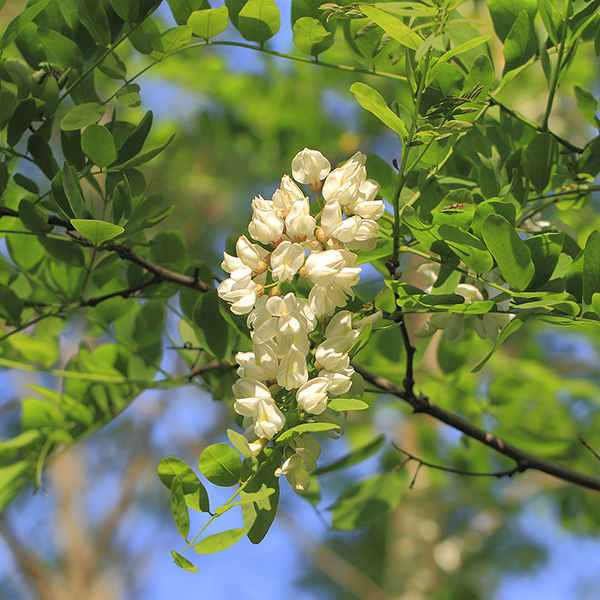
Commercial supplement production relies primarily on standardized extraction from plant sources, with Sophora japonica (Japanese Pagoda Tree) flower buds representing the most dependable and potent source material for B2B applications.
BIOWAY's Premium Sophora Japonica Extract
Our quercetin anhydrous powder specifications are as follows:
The following key advantages distinguish our premium extract in the competitive marketplace:
- 95% minimum purity verified by HPLC analysis, ensuring consistent potency across production batches for reliable formulation outcomes
- Light yellow crystalline powder with an appearance that integrates seamlessly into various supplement formats without compromising aesthetic quality
- CAS #117-39-5 molecular identification, providing complete traceability and regulatory compliance for international markets
- Advanced extraction from organic flower buds utilizing our proprietary multi-stage purification processes that preserve bioactive integrity
These standards give makers the confidence to make high-quality formulations because they know the quality and consistency of the raw materials they use. With a capacity of more than 50,000 square meters, our extraction center can handle effective supply chain management for large-scale production needs.
Bioavailability and Formulation Considerations
Standard flavonoid uptake is hard because they don't dissolve well in water and aren't very bioavailable. Our dry form, on the other hand, is more stable and allows for more manufacturing options than hydrated versions. Using encapsulation technologies and absorption boosters like piperine or phospholipids together can make bioavailability results much better. These things become very important for B2B clients who are making high-end functional nutrition goods that are meant to have the most therapeutic effect.
Procurement Guide for Quercetin in the B2B Market
For buying strategies to work, they need to look at a supplier's skills, quality control procedures, and legal compliance standards to make sure that the quality of the products always stays high and the market accepts them.
Quality Assurance and Certification Standards
BIOWAY maintains many certificates, such as those for cGMP, ISO22000, ISO9001, HACCP, FDA, FSSC, HALAL, KOSHER, BRC, and USDA/EU Organic standards. These approvals show that we follow international quality standards and make global delivery easy. As part of our quality control, we test for heavy metals, herbicide traces, microbial contamination, and active ingredient proof. Each batch gets a thorough Certificate of Analysis that supports regulatory filings and meets the quality needs of the customer.
Supply Chain Reliability and Scalability
Our production plan is vertically linked, and it includes 100 hectares of organic farms on the Qinghai-Tibet Plateau. This makes sure that the quality of our raw materials is controlled from the time they are grown to the time they are sold. This combination makes the supply chain clearer for B2B clients and lowers the risk of buying. Ten specialized extraction lines with different amounts of production capacity allow for flexible order completion, from small-batch trials to large-scale commercial production. Our 3,000-square-meter warehouse in the US makes sure that operations run smoothly and shipping times are cut for customers in North America.
Best Practices for Using Quercetin Supplements in Functional Nutrition
The best results from therapy rely on following evidence-based dosing protocols, selecting appropriate delivery methods, and optimizing nutrient combinations for enhanced absorption and effectiveness. When incorporating Quercetin, pairing it with complementary compounds and using well-designed formulations can significantly improve bioavailability. This approach helps maximize therapeutic benefits, ensuring more efficient utilization in applications related to health support and overall wellness optimization.
Dosage Guidelines and Application Protocols
According to a clinical study, the recommended daily dose for general antioxidant support is between 500 mg and 1000 mg. Higher doses, up to 2000 mg, can be used in certain healing situations with a doctor's advice. These rules give B2B makers a way to make dosing suggestions that are easy for consumers to follow. When it comes to timing, it's best to take it with healthy fats for better absorption, and splitting up the dose throughout the day may help keep plasma levels steady.
Integration with Comprehensive Wellness Programs
Functional nutrition products that work well use this substance as part of bigger fitness plans that deal with many health issues at once. Some examples are immune support formulas that mix it with elderberry, vitamin D, and zinc for all-around seasonal health support. Adding this flavonoid to branched-chain amino acids and natural anti-inflammatory substances can help athletic recovery formulas handle oxidative stress caused by exercise and improve recovery.
Conclusion
Quercetin is a crucial element for makers of functional foods looking for compounds with widespread medical uses and high market appeal. There is more and more scientific proof that it helps the immune system, the heart, and reduces inflammation. This makes it an important ingredient in high-quality supplement formulas. BIOWAY is dedicated to quality, sustainability, and a reliable supply chain. This makes us a great partner for B2B clients who are making new functional nutrition goods for consumers that meet their changing health needs.
FAQ
Q1: What makes quercetin effective in functional nutrition applications?
The compound's special molecular structure lets it work in a lot of different ways, such as having strong antioxidant properties, reducing inflammation, and changing the immune system. Clinical studies show that adding supplements to well-thought-out supplement routines can improve cardiovascular health, lung function, and workout recovery.
Q2: How does quercetin anhydrous compare to quercetin dihydrate for commercial applications?
When compared to dihydrate forms, anhydrous forms are more stable and last longer, which makes them better for making business supplements. Getting rid of crystal water molecules makes the chemical content per gram higher and lowers the damage caused by moisture during storage and processing.
Q3: What quality standards should B2B buyers prioritize when sourcing quercetin?
Some important things to think about are HPLC tests that confirm the level of purity, full tests for heavy metals and chemical residues, microbiological safety checks, and source certifications like cGMP, ISO, and organic certifications. Documentation like Certificates of Analysis, MSDS, and records of regulatory compliance make sure that product creation and market entry go smoothly.
Partner with BIOWAY for Premium Quercetin Manufacturing Solutions
BIOWAY's advanced extraction methods and thorough quality control processes make us your reliable source for quercetin for functional nutrition uses. Our production plan is vertically linked, which means that we control the quality of everything from organic farming to making finished extracts. This meets the high standards of the functional nutrition market today.
Get in touch with our team at grace@biowaycn.com to talk about unique buying options that meet your formulation needs and market goals. Our skilled technical support team is here to help you with everything from the initial creation of your product to full-scale commercial production, ensuring your success in the competitive functional nutrition landscape.
References
1. Chen, S., et al. "Quercetin and Its Anti-Allergic Immune Response." Molecules 25, no. 3 (2020): 623.
2. Derosa, G., et al. "Quercetin and Cardiovascular Disease Risk: A Systematic Review of Clinical Studies." Critical Reviews in Food Science and Nutrition 61, no. 11 (2021): 1850-1861.
3. Li, Y., et al. "Quercetin, Inflammation and Immunity." Nutrients 8, no. 3 (2016): 167.
4. Mlcek, J., et al. "Quercetin and Its Anti-Allergic Immune Response." Molecules 21, no. 5 (2016): 623.
5. Reyes-Farias, M., et al. "The Anti-Cancer Effect of Quercetin: Molecular Implications in Cancer Metabolism." International Journal of Molecular Sciences 20, no. 13 (2019): 3177.
6. Xu, D., et al. "Antioxidant Activities of Quercetin and Its Complexes for Medicinal Application." Molecules 24, no. 6 (2019): 1123.
Contact Us
Grace HU (Marketing Manager) grace@biowaycn.com
Carl Cheng ( CEO/Boss ) ceo@biowaycn.com
Website: www.biowaynutrition.com
Post time: Apr-28-2026