
Introduction
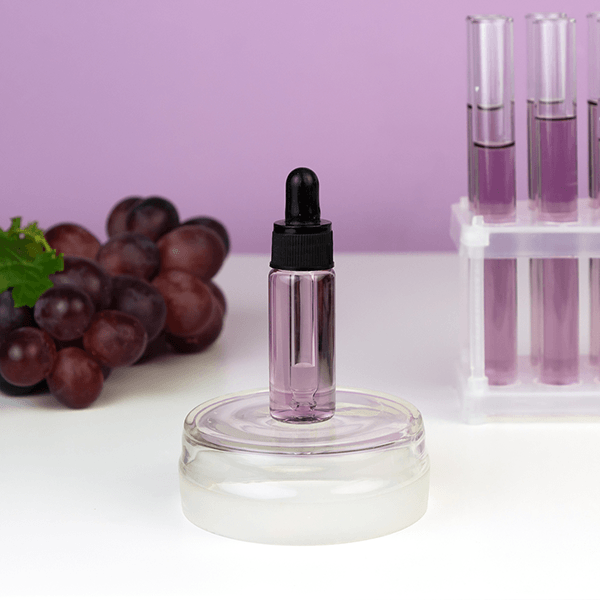
Compare resveratrol with quercetin to assist manufacturers and procurement specialists in choosing antioxidants. Although used in distinct industries, the two substances are potent antioxidants. Resveratrol, a component of grape pits and wine from red grapes, has superior bioavailability for certain medications, whereas quercetin, a chemical found in onions and apples, has a broader antioxidant effect. Knowing these discrepancies helps organizations develop product lines and meet market expectations.
Comprehending the Basics of Resveratrol and Quercetin
Understanding the fundamental features of these strong compounds is the first stage for effective antioxidant procurement. This knowledge has a direct impact on formulation procedures, procedures for quality control, and the market position across a wide range of industries.
Chemical Structure and Natural Sources
Resveratrol is a type of stilbenoid polyphenol composed of two phenol rings joined by an alkyl bridge. Its unusual structure improves stability and bioactivity. More than 70 plants contain the compound, with grape skins having the greatest concentration. Resveratrol phases are concentrated in red wine manufacturing, making grape-derived extracts valuable economically.
Quercetin is the most frequent flavonoid in human diets, classified as a flavonol with a distinctive yellow crystalline structure. This chemical is prevalent in numerous kinds of plants, including garlic, fruit, berries, and a variety of green vegetables. Quercetin's widespread availability lends it an intriguing option for manufacturers seeking low-cost antioxidant solutions with reliable supply chains.
Bioavailability and Absorption Mechanisms
These chemicals' metabolic routes influence their use in supplements. Resveratrol plasma levels reach their peak within thirty seconds after intake owing to rapid absorption and metabolism. To enhance the bioavailability of commercial products, certain delivery or encapsulating procedures are required.
Quercetin offers unique formulation problems and potential. Although quercetin is ingested in smaller amounts than a compound called X, it accumulates in tissues and remains in the body longer. Because of its prolonged presence, quercetin is effective in continuous-release products and restorative food applications that need a long-term antioxidant impact.
Resveratrol vs Quercetin — Detailed Antioxidant Property Comparison
Comprehensive evaluation of antioxidant properties, including those of resveratrol, requires analysis across multiple performance metrics. This comparison enables procurement teams to align ingredient selection with specific product requirements and target market expectations.
Free Radical Neutralization Capacity
Lab experiments show that both substances neutralize dangerous free radicals, although in distinct ways. Resveratrol combats hydroxyl, including oxidant oxides, making it appropriate for anti-aging products and cardiovascular supplements. The capacity to activate sirtuins, which are called or life proteins, provides value to premium healthcare treatments for the aged.
Quercetin has broader-spectrum antioxidant action, efficiently neutralizing numerous kinds of oxygen species that are reactive at once. This adaptability makes quercetin an ideal option for general health products and functional meals that need extensive antioxidant protection. According to research, quercetin outperforms other antioxidants in preserving lipids from oxidation, which making it especially useful for food preservation.
Clinical Research and Efficacy Data
The scientific evidence for both chemicals continues to grow, with significant consequences for company advertising and compliance with laws and regulations. Resveratrol research has been focused on cardiac benefits, with studies showing enhanced endothelial function and decreased inflammatory markers. These results justify its usage in heart-healthy tablets and functional drinks aimed at cardiovascular wellbeing.
A new study shows quercetin improves immune function during seasonal problems and supports lung health. This research foundation lets companies make marketing claims based on evidence while following health product regulations.
Safety Profiles and Regulatory Considerations
When administered within dose recommendations, both substances are safe. Resveratrol supplementation generally ranges from 100-500mg on a daily basis, with clinical trials indicating short-term usage up to 5 grams. This broad safety margin gives formulators product creation freedom while keeping customer trust.
Quercetin has comparable safety properties, with a normal dosage ranging from 500 to 1000mg daily. The compound's lengthy history of human ingestion via dietary sources contributes to its generally understood as Hazardous (GRAS) designation in several countries. This regulatory approval shortens product development schedules and lowers compliance costs for businesses.
Sourcing and Procurement Insights for Resveratrol and Quercetin
Successful oxidant procurement requires a thorough awareness of global logistics networks, standards for quality, and market trends. These insights assist organizations in obtaining a consistent supply while reducing costs and maintaining product quality.
Global Supply Chain Landscape
The resveratrol industry is based on modern extraction facilities capable of processing pomace and other botanical sources. Leading suppliers form collaborations with wineries and grape processors to assure consistent raw material delivery. Quality resveratrol providers often sell products in purity levels ranging from 50% to 99%, allowing manufacturers to choose the appropriate grade for their specific applications.
BIOWAY maintains strong agreements with verified natural grape producers to provide regular availability to high-quality beginnings for resveratrol manufacturing. Our ISO 22000:2004, Kosher, Halal, and Gmp certifications ensure that our red extracts adhere to the highest worldwide quality standards. With a yearly supply capacity of over 80,000 metric tons, we provide the volume and dependability that large-scale industries demand for their operations.
Quercetin supply benefits from a variety of botanical sources, resulting in a more diverse and reliable supply chain. Onion processing factories, apple juice makers, and specialist extraction firms all contribute to the worldwide quercetin supply. This diversification gives procurement advantages by lowering supplier risk and opening up competitive price alternatives.
Quality Certifications and Testing Protocols
Professional antioxidant procurement requires ensuring the quality across the supply chain. Good manufacturing procedures (GMP), ISO surveillance processes, or organic certifications, as relevant, are all essential. These standards guarantee consistent product quality, compliance with law, and customer safety throughout the production process.
Advanced testing techniques should include purity assessment, heavy metal screening, pesticide residue testing, and microbiology verification. Reputable vendors give detailed Certificates of Analyses (COA) that record these criteria for each manufacturing batch. This paperwork supports filings with regulators and quality assurance processes that are critical to commercial success.
Pricing Dynamics and Cost Optimization
The market price of both chemicals reflects extraction complexities, purity levels, and supply channel efficiency. Resveratrol often fetches a premium price owing to its complex extraction procedures and restricted raw material sources. But economies of scale achieved by bulk purchase may considerably cut per-unit prices for large-volume producers.
Quercetin cost is more stable owing to its broad source availability and known extraction procedures. Strategic procurement practices, such as lengthy agreements and supplier alliances, may give cost savings while assuring supply security. Volume agreements often result in preferred pricing and priority distribution during times of strong demand.
Choosing the Right Antioxidant Solution for Your Business Needs
Strategic antioxidant identification requires careful consideration of intended applications, positioning on the market, and operational needs. This decision-making framework helps organizations to optimize ingredient selection for optimum commercial success.
Industry-Specific Applications and Requirements
Food and beverage manufacturers increasingly seek antioxidants that provide both functional benefits and clean label appeal. Resveratrol excels in premium functional beverages and nutraceutical applications where its association with red wine creates positive consumer perceptions. Its heat stability makes it suitable for processed foods requiring thermal treatment during manufacturing.
Resveratrol is valued in the cosmetics business due to its proven anti-aging and UV protection qualities. Research shows that it may increase collagen formation and minimize oxidative stress in cells from your skin, making it very useful in luxury skincare formulas. Resveratrol's compatibility with cosmetic bases enables successful incorporation into moisturizers, serums, and sunscreens.
Quercetin serves broader applications across multiple industries due to its versatility and cost-effectiveness. Pet food manufacturers appreciate its safety profile and immune-supporting properties, while supplement companies value its extensive research foundation for general wellness products. Its natural origin and widespread dietary occurrence support clean label initiatives across various product categories.
Formulation Aspects and Technical Support
Effective product development necessitates considering the technical characteristics of each component. Because of its ability to soak up light, resveratrol needs optimal packaging and storage parameters to be effective for the length of its shelf life. Encapsulation technology or tailored delivery systems may enhance the long-term sustainability and solubility of finished commodities.
Quercetin's poor water solubility creates formulation challenges, which qualified providers may help with. Advanced processing methods, such as micronization and interaction with other chemicals, may improve solubility and bioavailability. Working with competent suppliers provides exposure to the technical abilities essential for successful product development.
BIOWAY's technical team offers extensive formulation assistance to help firms improve their antioxidant utilization. We provide specific extraction ratios, the particle size parameters, and instability testing results to guarantee a successful product launch. This collaborative approach shortens development time and increases the chances of commercial success.
Market Positioning and Consumer Preferences
It's because people are getting older and more worried about their health that ubiquinone is getting more attention. If brands want to make their products stand out in this trend, they can use eco-friendly materials, make them more digestible, or think of new ways to ship them.
How to Source Quality Coenzyme Q10 for Your Business
A lot of what makes buying work is how well sources are picked and how quality is checked. A manufacturer with a good image will keep all of their certifications, such as GMP, ISO, and, if needed, organic certificates. You can be sure that the product is of good quality and meets all the rules thanks to these examples.
Technical Specifications and Quality Parameters
There are strict limits on the amount of chemicals, heavy metals, and bacterial toxins that can still be found in high-grade ubiquinone. It needs to be at least 98% pure. Crystalline powder that is yellow to orange should be the look, and certain melting point levels should show that the crystal structure is correct. These numbers should be written down in analysis reports using ways that have been proven to work.
To rate the quality, you need to know how the item was made. The all-trans isomer produced by fermenting Coenzyme Q10 with specific yeast types is the same as that produced by people. When compared to man-made choices that could have inactive cis-isomers, this is the safest and most effective choice.
Supply Chain Considerations
Light, heat, and air can damage the material, so those things need to be taken into account when planning operations. Things should be stored at or below 25°C, and they need to be protected from UV light so they don't break down. The product needs to be shipped at a controlled temperature so that it doesn't sinter while it's being shipped because the freezing point is low (about 48°C).
The specifications of the package have a big impact on how safe the product is and how long it lasts. Light-resistant boxes that are double-lined and filled with nitrogen help keep the product's strength all the way through the supply chain. These things become even more important when you move things across borders or store them for a long time.
Conclusion
Use, market in question, and corporate objectives determine resveratrol or quercetin. Quincetin provides versatile, cost-effective antioxidant protection, while resveratrol has great commercial potential and scientific support for longevity and heart health. Successful procurement requires experienced suppliers that understand quality, laws, and technical help. Both compounds provide product distinctiveness and market growth possibilities when properly sourced and produced.
FAQ
Q1: Is resveratrol safe during pregnancy and breastfeeding?
Current research advises avoiding using resveratrol tablets when pregnant or nursing owing to safety concerns. While a diet seems to be healthy, increased supplements may provide unknown hazards. Manufacturers of goods for reproductive-aged women should be aware of this restriction and utilize antioxidants with safety ratings.
Q2: What is the optimal dosage timing for maximum antioxidant absorption?
Resveratrol's fat-soluble nature increases solubility via lipid-dependent absorption routes, resulting in better transport for healthy fat-rich diets. Quercetin absorption is consistent, independent of meal time, though some studies demonstrate that bromelain and or vitamin C improve it. These characteristics influence formulations and user instructions to optimize product efficacy.
Q3: How do pricing and availability compare between resveratrol and quercetin?
Because of its many primary sources and well-known extraction processes, quercetin's price and availability remain steady. Grape quality to process capacity may influence resveratrol cost. Bulk contracts for purchase and future supplier partnerships may help to reduce price volatility between the two substances while maintaining supply chain performance.
Partner with BIOWAY for Premium Resveratrol Supply Solutions
BIOWAY is your reliable resveratrol producer, combining over fifteen years of industry experience with cutting-edge manufacturing facilities covering 50,000 square meters. Our extensive quality control system assures continual product excellence, and our yearly capacity for 80,000 tons provides a steady supply for your expanding business demands. To help you get your product to market faster, we provide unique formulations, assistance with technology, and regulatory compliance services. Please reach out to our staff at grace@biowaycn.com to go over your unique needs and obtain product samples for assessment.
References
1. Baur, Joseph A., and David A. Sinclair. "Therapeutic potential of resveratrol: the in vivo evidence." Nature Reviews Drug Discovery 5, no. 6 (2006): 493-506.
2. Boots, Agnes W., et al. "Health effects of quercetin: from antioxidant to nutraceutical." European Journal of Pharmacology 585, no. 2-3 (2008): 325-337.
3. Walle, Thomas. "Bioavailability of resveratrol." Annals of the New York Academy of Sciences 1215, no. 1 (2011): 9-15.
4. Riley L. Edwards, et al. ("Quercetin reduces blood sugar levels in hypertensive subjects."" Journal of Agriculture 137, 11th edition (2007): 2405–2411.
5. Cottart, Charles-Henry, and colleagues. "Review of current research on the breakdown, biological effects, and potential toxicity of cabernet in humans." Molecular Nutrition and Food Research 54(1) (2010): 7-16.
6. Heather Harwood, et al. " A critical assessment - the data connected to the risk associated with flavonoids and absence of evidence of in vivo toxicity, notably lack of cancer-causing and genotoxic properties." Food and Human Toxicology 45/11 (2007): 2179-2205.
Contact Us
Grace HU (Marketing Manager) grace@biowaycn.com
Carl Cheng ( CEO/Boss ) ceo@biowaycn.com
Website: www.biowaynutrition.com
Post time: Mar-26-2026