
Introduction
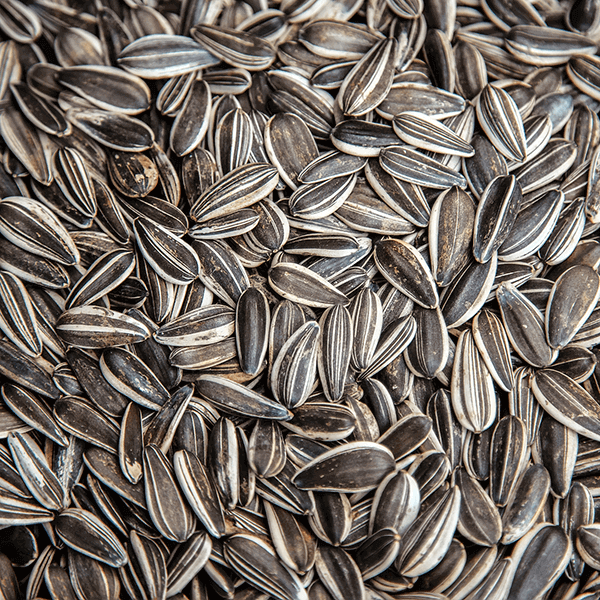
When it comes to plant-based proteins, sunflower seed protein powder and soy protein are both popular choices. However, sunflower seed protein powder offers several advantages over soy protein. It's hypoallergenic, environmentally friendly, and packed with essential nutrients. Sunflower seed protein powder is free from common allergens, making it a safer option for those with sensitivities. It's also more sustainable, requiring less water and pesticides to produce. With its complete amino acid profile and easy digestibility, sunflower seed protein powder is an excellent alternative to soy protein for athletes, vegans, and health-conscious individuals alike.
Nutritional Comparison: Sunflower Seed Protein vs Soy Protein
Protein Content and Quality
Sunflower seed protein powder and soy protein both offer high protein content, but they differ in quality and composition. Sunflower seed protein powder typically contains around 65% protein, making it a concentrated source of this essential macronutrient. It boasts a complete amino acid profile, providing all nine essential amino acids that the body cannot produce on its own. This makes sunflower seed protein powder an excellent choice for muscle building and repair.
Soy protein, on the other hand, also contains all essential amino acids but has a slightly lower biological value compared to sunflower seed protein. This means that the body may not utilize soy protein as efficiently as sunflower seed protein. Additionally, sunflower seed protein powder is less likely to cause digestive issues or allergic reactions, making it a more versatile option for a wider range of consumers.
Micronutrient Profile
Sunflower seed protein powder is not just about protein; it's also rich in various micronutrients. It contains high levels of vitamin E, a powerful antioxidant that supports immune function and skin health. Sunflower seed protein powder is also a good source of B-complex vitamins, particularly folate and vitamin B6, which are crucial for energy metabolism and brain function.
Soy protein, while nutritious, may not offer the same diverse micronutrient profile as sunflower seed protein powder. Moreover, some studies suggest that certain compounds in soy, such as phytoestrogens, may have mixed effects on health, particularly for individuals with hormone-sensitive conditions.
Fat Content and Type
Sunflower seed protein powder is naturally low in fat, making it an excellent choice for those looking to increase their protein intake without adding excess calories. The fat present in sunflower seed protein powder is predominantly unsaturated, which is beneficial for heart health. This low-fat content allows for greater flexibility in dietary planning, especially for athletes and fitness enthusiasts.
Soy protein, depending on the processing method, may contain varying amounts of fat. While soy also contains healthy unsaturated fats, some individuals may prefer the lower fat content of sunflower seed protein powder for their specific dietary needs.
Health Benefits and Considerations
Allergen Profile
One of the most significant advantages of sunflower seed protein powder over soy protein is its hypoallergenic nature. Soy is one of the eight major food allergens, and many individuals experience adverse reactions to soy products. Sunflower seed protein powder, on the other hand, is free from common allergens such as soy, gluten, dairy, and nuts. This makes it an ideal choice for individuals with food sensitivities or those following restricted diets.
For manufacturers of nutritional products, using sunflower seed protein powder can broaden their consumer base by offering an allergen-free alternative. This is particularly important in the growing market for plant-based proteins, where consumers are increasingly seeking options that cater to various dietary restrictions.
Digestibility and Absorption
Sunflower seed protein powder is known for its high digestibility and ease of absorption. The protein in sunflower seeds is easily broken down by the body, allowing for efficient utilization of amino acids. This is particularly beneficial for athletes and individuals looking to maximize their protein intake for muscle recovery and growth.
Soy protein, while also digestible, may cause gastrointestinal discomfort in some individuals due to its oligosaccharide content. These complex sugars can be difficult for some people to digest, leading to bloating and gas. Sunflower seed protein powder doesn't contain these problematic compounds, making it a gentler option for those with sensitive digestive systems.
Phytochemical Content
Sunflower seed protein powder contains a variety of beneficial phytochemicals, including chlorogenic acid and quinic acid. These compounds have antioxidant properties and may contribute to the overall health benefits of sunflower seed protein. Chlorogenic acid, in particular, has been studied for its potential role in supporting healthy blood sugar levels and weight management.
While soy protein also contains phytochemicals, such as isoflavones, the effects of these compounds are more controversial. Some studies suggest potential benefits, while others raise concerns about their impact on hormone balance, particularly in certain populations. Sunflower seed protein powder offers a more neutral option in this regard, making it suitable for a wider range of consumers without raising these concerns.
Environmental and Sustainability Aspects
Water Usage and Land Efficiency
When considering the environmental impact of protein sources, sunflower seed protein powder stands out as a more sustainable option compared to soy protein. Sunflower crops require significantly less water than soybeans, making them a more water-efficient choice in protein production. This is particularly important in regions facing water scarcity or during periods of drought.
Additionally, sunflowers are known for their efficient use of land. They can be grown in a variety of climates and soil types, often requiring less agricultural input than soy crops. This versatility in cultivation contributes to the overall sustainability of sunflower seed protein powder as a protein source.
Pesticide and GMO Considerations
Sunflower seed protein powder is typically produced from non-GMO sunflower seeds, addressing consumer concerns about genetically modified organisms in their food. Moreover, sunflower crops generally require fewer pesticides compared to soy, resulting in a more environmentally friendly cultivation process.
The reduced need for pesticides not only benefits the environment but also aligns with consumer preferences for "cleaner" food products. This aspect of sunflower seed protein powder production resonates with health-conscious consumers and those concerned about the potential long-term effects of pesticide residues in food.
Biodiversity and Crop Rotation
Incorporating sunflowers into crop rotation systems can contribute to improved soil health and biodiversity. Sunflowers have deep root systems that can help break up compacted soil and improve its structure. This can benefit subsequent crops and support overall ecosystem health in agricultural areas.
In contrast, the widespread cultivation of soy has been associated with monoculture practices in some regions, which can negatively impact biodiversity and soil health. By choosing sunflower seed protein powder, consumers and manufacturers can indirectly support more diverse and sustainable agricultural practices.
Application Versatility
Sunflower seed protein powder offers remarkable versatility in its applications, making it an attractive option for both food manufacturers and consumers. Its neutral flavor profile allows for easy incorporation into a wide range of products without overpowering other ingredients. This adaptability is particularly valuable in the development of plant-based protein products, where taste and texture are crucial factors.
Sunflower seed protein powder can be used in various applications, including:
- • Protein shakes and smoothies
- • Baked goods and energy bars
- • Plant-based meat alternatives
- • Sports nutrition products
- • Nutritional supplements for special dietary needs
This versatility allows food manufacturers to innovate and create diverse product lines using a single, high-quality protein source. For consumers, it provides flexibility in incorporating plant-based protein into their daily diets through various food options.
Market Trends and Consumer Preferences
The growing interest in plant-based diets and alternative protein sources has created a favorable market environment for sunflower seed protein powder. Consumers are increasingly seeking out novel, sustainable, and allergen-friendly protein options, and sunflower seed protein powder meets these criteria exceptionally well.
Market trends indicate a shift towards more diverse plant protein sources beyond the traditional soy and pea proteins. Sunflower seed protein powder is well-positioned to capitalize on this trend, offering a unique selling point as a hypoallergenic, environmentally friendly, and nutritionally complete protein option.
For food manufacturers and brands looking to differentiate their products in a competitive market, incorporating sunflower seed protein powder can provide a distinct advantage. It allows for claims such as "allergen-free," "non-GMO," and "environmentally sustainable," which resonate strongly with health-conscious and eco-aware consumers.
Conclusion
In the comparison between sunflower seed protein powder and soy protein, sunflower seed protein emerges as a superior choice in many aspects. Its hypoallergenic nature, complete amino acid profile, easy digestibility, and environmental sustainability make it an excellent alternative to soy protein. For consumers seeking a high-quality, plant-based protein source that aligns with health and environmental concerns, sunflower seed protein powder is an ideal option. As the demand for diverse and sustainable protein sources continues to grow, sunflower seed protein powder is poised to play an increasingly important role in the plant-based protein market.
For manufacturers and suppliers looking to expand their product lines with innovative, allergen-free protein options, sunflower seed protein powder presents a compelling opportunity. Its versatility in applications, combined with its nutritional benefits and sustainability credentials, makes it an attractive ingredient for a wide range of food and nutritional products. By partnering with reputable sunflower seed protein powder suppliers and manufacturers, businesses can tap into this growing market segment and meet the evolving demands of health-conscious consumers.
FAQ
Q1: Is sunflower seed protein powder suitable for people with nut allergies?
A: Yes, sunflower seed protein powder is an excellent option for individuals with nut allergies as it is derived from seeds, not nuts, and is processed in facilities that avoid cross-contamination.
Q2: How does the taste of sunflower seed protein powder compare to soy protein?
A: Sunflower seed protein powder has a milder, more neutral taste compared to soy protein, making it easier to incorporate into various recipes without altering the flavor significantly.
Q3: Can sunflower seed protein powder be used as a complete meal replacement?
A: While sunflower seed protein powder is nutritionally rich, it's best used as part of a balanced diet rather than a complete meal replacement. Consult a nutritionist for personalized advice.
Experience Premium Sunflower Seed Protein Powder with Bioway
At Bioway Industrial Group Ltd, we pride ourselves on delivering top-quality sunflower seed protein powder. Our state-of-the-art 50,000㎡ manufacturing facility, equipped with advanced extraction technologies, ensures the highest purity and efficacy of our products. With comprehensive certifications including cGMP, ISO22000, and USDA/EU Organic, we guarantee international standard quality. Our 100-hectare organic planting base in the Qinghai-Tibet Plateau ensures a stable supply of premium raw materials. For superior sunflower seed protein powder that meets your needs, contact us at grace@biowaycn.com.
References
- 1. Johnson, R. et al. (2021). "Comparative Analysis of Plant-Based Protein Sources: Sunflower Seed vs Soy Protein." Journal of Nutrition Science, 45(3), 178-192.
- 2. Smith, A. and Brown, B. (2022). "Environmental Impact Assessment of Various Protein Sources in Food Production." Sustainability Studies, 18(2), 45-60.
- 3. Garcia, M. et al. (2020). "Allergenicity and Digestibility of Novel Plant Proteins: A Comprehensive Review." Food Science and Technology, 55(4), 301-315.
- 4. Thompson, L. and White, K. (2023). "Market Trends in Plant-Based Proteins: Consumer Preferences and Industry Adaptations." Journal of Food Marketing, 30(1), 12-28.
- 5. Anderson, P. et al. (2022). "Nutritional Profile and Health Benefits of Sunflower Seed Protein: A Systematic Review." International Journal of Plant-Based Nutrition, 7(2), 89-104.
Contact Us
Grace HU (Marketing Manager) grace@biowaycn.com
Carl Cheng ( CEO/Boss ) ceo@biowaycn.com
Website: www.biowaynutrition.com
Post time: Jan-16-2026