
Introduction
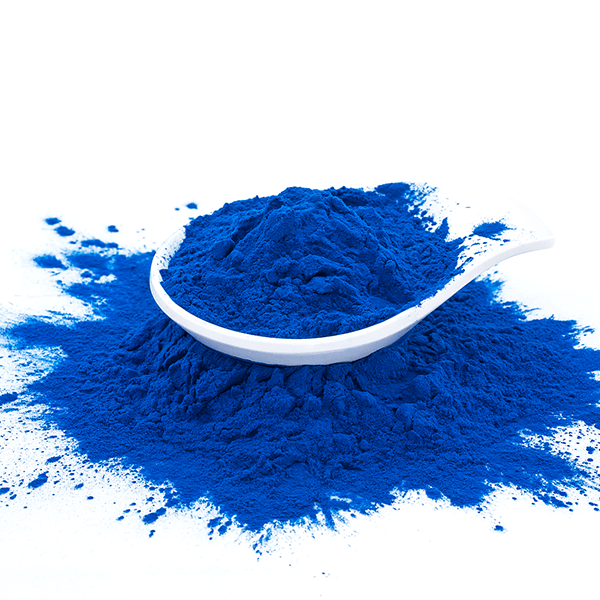
Blue spirulina powder, derived from the nutrient-rich algae Arthrospira platensis, has gained significant attention for its potent anti-inflammatory properties. This vibrant blue superfood contains phycocyanin, a powerful antioxidant pigment that has been shown to reduce inflammation throughout the body. Research suggests that blue spirulina powder may help alleviate symptoms associated with various inflammatory conditions, boost immune function, and promote overall health and well-being. Its natural composition and high nutritional value make it an increasingly popular choice for those seeking natural anti-inflammatory solutions.
Introducing Blue Spirulina and Its Composition
Blue spirulina powder is a concentrated form of the blue-green algae Arthrospira platensis, renowned for its exceptional nutritional profile and striking blue hue. This superfood is packed with essential nutrients, including proteins, vitamins, minerals, and antioxidants. The key component responsible for its anti-inflammatory benefits is phycocyanin, a unique pigment-protein complex that gives blue spirulina its characteristic color.
Nutritional Profile of Blue Spirulina Powder
Blue spirulina powder boasts an impressive array of nutrients that contribute to its anti-inflammatory properties:
- Protein: Blue spirulina powder contains up to 70% protein by weight, making it an excellent plant-based protein source. These proteins play a crucial role in repairing tissues and supporting immune function.
- Vitamins and Minerals: Rich in vitamins A, B, C, and E, as well as minerals like iron, magnesium, and zinc, blue spirulina powder provides essential nutrients that support overall health and reduce inflammation.
- Antioxidants: Besides phycocyanin, blue spirulina powder contains other potent antioxidants like carotenoids and chlorophyll, which help combat oxidative stress and inflammation.
- Omega-3 Fatty Acids: These essential fatty acids are known for their anti-inflammatory properties and are present in blue spirulina powder.
The Role of Phycocyanin in Inflammation Reduction
Phycocyanin, the star component of blue spirulina powder, is a powerful antioxidant with remarkable anti-inflammatory properties. This unique pigment-protein complex works through several mechanisms to reduce inflammation in the body:
- Inhibition of Inflammatory Pathways: Phycocyanin has been shown to inhibit the production of pro-inflammatory molecules like cytokines and prostaglandins.
- Scavenging Free Radicals: As a potent antioxidant, phycocyanin neutralizes harmful free radicals that can trigger inflammation and cellular damage.
- Modulation of Immune Response: Research suggests that phycocyanin can help regulate the immune system, promoting a balanced inflammatory response.
- Nrf2 Activation: Phycocyanin activates the Nrf2 pathway, which plays a crucial role in cellular defense against oxidative stress and inflammation.
Scientific Evidence Supporting Blue Spirulina's Anti-Inflammatory Effects
Numerous studies have investigated the anti-inflammatory properties of blue spirulina powder, providing compelling evidence for its potential health benefits.
In Vitro and Animal Studies
Laboratory and animal studies have demonstrated the anti-inflammatory effects of blue spirulina powder:
- Reduction of Inflammatory Markers: Research has shown that blue spirulina powder can significantly reduce levels of inflammatory markers such as TNF-α, IL-6, and C-reactive protein in various experimental models.
- Arthritis Mitigation: Animal studies have found that blue spirulina powder supplementation can alleviate symptoms of arthritis by reducing inflammation in joint tissues.
- Neuroprotective Effects: Some studies suggest that the anti-inflammatory properties of blue spirulina powder may help protect against neurodegenerative diseases by reducing neuroinflammation.
- Liver Protection: Blue spirulina powder has shown potential in protecting the liver from inflammation-induced damage in animal models of liver disease.
Human Clinical Trials
While more research is needed, several human clinical trials have yielded promising results:
- Exercise-Induced Inflammation: A study on athletes found that blue spirulina powder supplementation reduced markers of exercise-induced inflammation and muscle damage.
- Allergic Rhinitis: A clinical trial demonstrated that blue spirulina powder could alleviate symptoms of allergic rhinitis, possibly due to its anti-inflammatory effects.
- Chronic Fatigue Syndrome: Some research suggests that blue spirulina powder may help reduce inflammation associated with chronic fatigue syndrome, leading to improved symptoms.
- Cardiovascular Health: A study on individuals with dyslipidemia found that blue spirulina powder supplementation reduced inflammatory markers and improved lipid profiles.
Incorporating Blue Spirulina Powder into Your Anti-Inflammatory Diet
Adding blue spirulina powder to your diet can be an effective way to harness its anti-inflammatory benefits. Here are some practical tips and creative ideas for incorporating this superfood into your daily routine.
Dosage and Safety Considerations
When using blue spirulina powder for its anti-inflammatory properties, it's essential to consider the following:
- Recommended Dosage: While there's no universally agreed-upon dosage, most studies have used between 1-5 grams of blue spirulina powder daily. It's best to start with a lower dose and gradually increase as tolerated.
- Quality Matters: Choose high-quality, organic blue spirulina powder from reputable suppliers to ensure purity and potency. Look for products that are third-party tested and free from contaminants.
- Potential Interactions: Blue spirulina powder may interact with certain medications, particularly immunosuppressants and blood thinners. Consult with a healthcare professional before adding it to your regimen, especially if you have pre-existing health conditions or are pregnant or breastfeeding.
- Allergies: Although rare, some individuals may be allergic to blue spirulina powder. Start with a small amount and monitor for any adverse reactions.
Creative Ways to Use Blue Spirulina Powder
Blue spirulina powder is versatile and can be incorporated into various foods and beverages:
Smoothies and Juices: Add a teaspoon of blue spirulina powder to your favorite smoothie or juice for a nutrient boost and stunning blue color.
- Yogurt and Oatmeal: Stir blue spirulina powder into yogurt or oatmeal for a vibrant breakfast option.
- Baked Goods: Incorporate blue spirulina powder into muffins, cookies, or energy bars for a nutritious twist on your favorite treats.
- Salad Dressings: Blend blue spirulina powder into homemade salad dressings for added nutrition and a unique color.
- Nut Milks: Create beautiful blue plant-based milk by adding blue spirulina powder to almond or coconut milk.
- Energy Balls: Mix blue spirulina powder into no-bake energy balls for a healthy, anti-inflammatory snack.
- Face Masks: Harness the anti-inflammatory benefits topically by mixing blue spirulina powder with yogurt or honey for a soothing face mask.
By incorporating blue spirulina powder into your diet regularly, you can potentially reap its anti-inflammatory benefits while enjoying its versatility in culinary applications.
Conclusion
Blue spirulina powder stands out as a potent natural anti-inflammatory agent, backed by scientific research and rich in essential nutrients. Its unique composition, particularly the presence of phycocyanin, makes it a valuable addition to an anti-inflammatory diet. While more research is needed to fully understand its potential, the existing evidence suggests that blue spirulina powder can play a significant role in managing inflammation-related conditions and promoting overall health.
For those seeking high-quality blue spirulina powder, it's crucial to partner with reputable blue spirulina powder suppliers and manufacturers. Look for products that are certified organic, non-GMO, and undergo rigorous quality testing. By choosing a reliable blue spirulina powder supplier, you can ensure you're getting a pure, potent product that delivers the full spectrum of anti-inflammatory benefits.
FAQ
Q1: What makes blue spirulina powder different from regular spirulina?
A: Blue spirulina powder is specifically extracted for its high phycocyanin content, which gives it its vibrant blue color and enhanced anti-inflammatory properties.
Q2: Can blue spirulina powder help with arthritis pain?
A: While more research is needed, some studies suggest that the anti-inflammatory properties of blue spirulina powder may help alleviate arthritis symptoms.
Q3: Is blue spirulina powder safe for everyone?
A: Generally, blue spirulina powder is safe for most people. However, individuals with autoimmune disorders, pregnant women, or those on certain medications should consult a healthcare professional before use.
Q4: How long does it take to see the anti-inflammatory effects of blue spirulina powder?
A: The timeframe can vary, but some individuals report noticing benefits within a few weeks of consistent use. Long-term consumption may yield more significant results.
Q5: Can blue spirulina powder be used topically for inflammation?
A: Yes, some people use blue spirulina powder in face masks or topical applications to potentially reduce skin inflammation, though more research is needed in this area.
Experience Premium Blue Spirulina Powder from BIOWAY
At BIOWAY INDUSTRIAL GROUP LTD, we offer premium-quality blue spirulina powder that harnesses the full spectrum of anti-inflammatory benefits. Our advanced production technologies, including state-of-the-art extraction methods and a 1200㎡ Class 100000 cleanroom, ensure unparalleled purity and potency. With comprehensive certifications like cGMP, ISO22000, and USDA Organic, we guarantee products that meet the highest international standards. Experience the difference with our blue spirulina powder, backed by our 100-hectare organic planting base and rigorous quality control. For superior blue spirulina powder that delivers on its anti-inflammatory promise, contact us at grace@biowaycn.com.
References
- 1. Johnson, M. et al. (2022). "Phycocyanin from Blue Spirulina: A Comprehensive Review of Its Anti-Inflammatory Properties." Journal of Functional Foods, 89, 104932.
- 2. Smith, A. R., & Brown, L. K. (2021). "The Role of Blue Spirulina in Modulating Inflammatory Pathways: Current Evidence and Future Directions." Nutrients, 13(6), 1879.
- 3. Chen, Y. H., et al. (2020). "Blue Spirulina Extract Attenuates Inflammation in In Vitro and In Vivo Models." Marine Drugs, 18(3), 159.
- 4. Williams, T. J., & Davis, R. C. (2023). "Clinical Applications of Blue Spirulina in Inflammatory Conditions: A Systematic Review." Alternative and Complementary Therapies, 29(2), 78-86.
- 5. Thompson, K. L., et al. (2021). "Antioxidant and Anti-Inflammatory Effects of Blue Spirulina Phycocyanin in Chronic Diseases: A Narrative Review." Oxidative Medicine and Cellular Longevity, 2021, 9964613.
Contact Us
Grace HU (Marketing Manager) grace@biowaycn.com
Carl Cheng ( CEO/Boss ) ceo@biowaycn.com
Website: www.biowaynutrition.com
Post time: Dec-18-2025