
Introduction
As you pick Coenzyme Q10 types for your line, one of the most important things to think about is how well they are absorbed. Ubidecarenone is the oxidized form of CoQ10, and it works just as well as ubiquinol when mixed with better delivery methods. A new study shows that Ubidecarenone formulas that are easy to get and use can have absorption rates that are similar to ubiquinol while also being more stable at room temperature. These formulas use micellization, liposomal encapsulation, or particle size reduction. Because of this, Ubidecarenone is very appealing to makers who want consistent quality across production runs and longer product shelf life, which are both important things to think about when buying in bulk.
Introducing Ubidecarenone and Ubiquinol
Chemical Structure and Biological Function
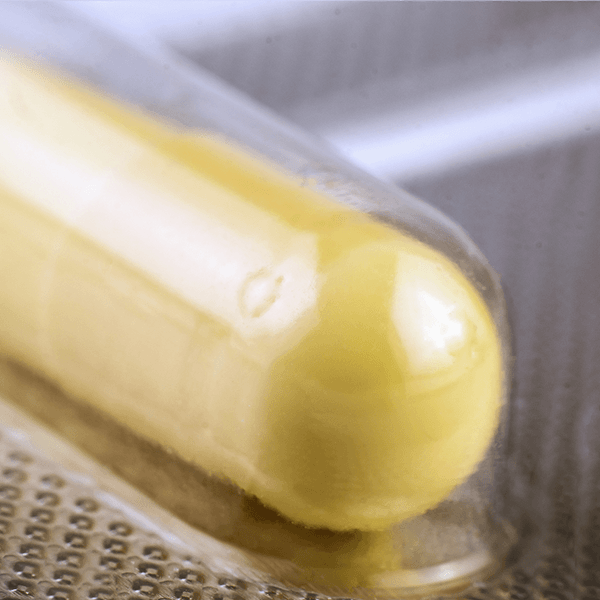
Ubidecarenone, which is also known as CoQ10 or ubiquinone, has the formula C59H90O4 and a weight of 863.34 Da. It has an isoprenoid side chain linked to a benzoquinone ring, and it likes fats. It looks like a lumpy powder that is yellow to orange. By moving electrons around in the respiratory chain inside mitochondria, it helps make ATP and protects cell walls from damage caused by free radicals.
It can also be found as ubiquinol, which is its reduced and electron-rich form. The body is always going back and forth between these two states through enzyme reduction and oxidation. Ubiquinol is different from Ubidecarenone because it has two more hydrogen atoms in its structure. This changes how it breaks down and how it works in living things. Both types help make energy, but they absorb energy in very different ways and are not as stable. When making and keeping them, different things need to be thought about.
Absorption Mechanisms and Bioavailability Fundamentals
Most of the time, Coenzyme Q10 is taken in through passive absorption in the small intestine. It needs to be mixed into micelles so that it can move across enterocyte walls. Both types are lipophilic, which means they need fat to work best. It is taken in, and cells in the stomach and liver change some of it into ubiquinol before it gets into the bloodstream. Different people can change forms in different ways, based on their age, health, and genes. This changes how different boosting with pre-reduced and oxidized forms really is.
The solid form of CoQ10 doesn't mix well in water and has large particles, so it's not very accessible. The way Ubidecarenone is made has changed, though, because of new ways of working with it. This makes it easier for the body to take without becoming ubiquinol first. If buying teams know about these steps, they can trust what sellers say more and pick formulas that improve absorption instead of just looking at the shape of the molecules.
Absorption Comparison Between Ubidecarenone and Ubiquinol
Clinical Evidence and Pharmacokinetic Data
Several metabolic studies have shown that as the forms get better, the differences in how well Ubidecarenone and ubiquinol are absorbed become smaller. When researchers looked at plasma CoQ10 levels after dosing, they found that soluble Ubidecarenone formulations have AUC values that are similar to those of ubiquinols. One study even found gains that were 3–8 times greater than with regular dry powder. The time it takes for both types of formulas to reach their highest concentration (Tmax) is typically between 6 and 8 hours. This means that the rates of absorption are about the same.
It's important to note that after being swallowed, both types mostly show up in the bloodstream as ubiquinol. This is because the body's redox processes quickly change Ubidecarenone. That the form of the pre-supplementation doesn't matter as much as how well it works is what this biological fact says. People who make things can pick where to get ubiquinol based on safety, cost, and how well it works with their own methods instead of assuming that it is naturally better.
Formulation Technologies That Bridge the Gap
It's a big difference when you look at composition science and not absorption. Bioavailable Ubidecarenone uses several cutting-edge ways to get around problems that happen all the time:
- • Particle Size Reduction: Micronization and nano-milling reduce the size of particles from 20 to 50 microns in normal powder to less than 200 nanometers in better recipes. It makes a lot more surface area contact with the fluids in the intestines, which helps the drug break down and be taken faster. Suppliers whose D90 particle size standards are less than 500nm can measurably improve absorption and are good for putting high-end items in the right place.
- • Emulsification and Micellization: SEDDS (self-emulsifying drug delivery systems) and micelles that are already made make it possible for drugs to move through water quickly. These technologies give drinks clear vision or special Tyndall effects that make them stand out and help the body absorb them better. As soon as they hit room temperature, these mixes dissolve quickly, so you don't need to mix them as you do with powders.
- • Liposomal Encapsulation: Phospholipid-based transporters keep them safe while improving membrane transfer. Liposome technology is especially helpful for beauty and personal care brands that need raw materials that can be used for more than one thing. This is because liposomes can help makeup that needs to go deep into the skin.
When people are shopping for things, these new changes show why they should compare goods from different sellers based on both preparation technology and molecular form. A well-made Ubidecarenone product might work better than a poorly-made ubiquinol product, and it would also be more stable while it was being made.
Benefits and Use Cases of Ubidecarenone in B2B Markets
Health Benefits Driving Consumer Demand
Ubidecarenone is beneficial to heart health in a number of ways, including lowering blood pressure, enhancing capillary function, and hastening the myocardium's ability to absorb energy. People, especially older people, like taking heart health vitamins because they do these good things. It gets rid of free radicals all over the body, which keeps proteins and fatty layers safe from oxidative stress. Many health and anti-aging products use this to get people to buy them.
One more important benefit is that it uses less energy. CoQ10 vitamins may help people feel less tired and do better in exercise by making mitochondria work better. This could mean that sports nutrition and functional drinks can reach new customers. A new study is looking into how to help protect nerves and improve fertility. This means that new brands can be used in more situations and reach more people.
Industry Applications and Market Segments
You can buy Ubidecarenone in a lot of different places because it is so versatile. It is easier to fit the standards to the needs of the end use when you know what those needs are:
- •Nutraceutical Manufacturing: Different brands of dietary supplements need the same amount of strength (10%, 20%, or 98%) and active ingredients that have been proven to work through HPLC analysis. For customers to trust you and for labels to mean what they say, each batch must be the same. Manufacturers who want to make long-term deals benefit from Ubidecarenone's higher stability than ubiquinol, which needs to be stored and packed in a certain way to keep it from burning.
- • Cosmetic Raw Materials: CoQ10 is used by beauty makers because it can help skin look younger. They look for recipes that work with cream, serum, and balm bases. In order to be used in makeup, Ubidecarenone must be resistant to germs and stable over a wide pH range and temperature range. It is very helpful to have sources who can help with preparation and give information on compatibility tests while a product is being made.
- • Pharmaceutical and OTC Products: Drug businesses need products that are GMP-certified, meet pharmacopeial standards, and come with a lot of paperwork, such as impurity profiles, certificates of analysis, and stability data. Pharmacovigilance and regulatory compliance are both helped by being able to track where the raw materials come from and how they are processed. The pharmaceutical business often needs Ubidecarenone that is 98% pure and made through controlled fermentation. This is the best way to make sure of the quality.
- • Functional Foods and Beverages: People who make food need recipes that can be mixed with water and stay stable during processing steps like blending and pasteurization. They also need recipes that can last longer on the shelf. Good color balance and flavor balance keep a product's sensory traits from getting worse. Small businesses that are just starting should look for suppliers with open minimum order amounts and expert help to make sure their product launches go well.
Quality and Safety Considerations for Bulk Procurement
Procurement teams use strict ways to check out potential sellers to keep the brand's image safe. Heavy metal tests (below legal levels for arsenic, lead, cadmium, and mercury), screening for chemical residues in farm products, and studying microbial pollution are some of the most important ways to tell if something is of good quality. You can be sure that what a seller says is true by getting approval from ISO 17025-accredited labs.
In both sped-up and real-time tests of stability, recipes are shown to work over the course of a product's shelf life. Ubidecarenone doesn't naturally oxidize, which makes it easier to make and gives it more time to work than ubiquinol forms that don't take extra safety steps. This means less trash, easier storage, and longer expiration dates in real life, all of which affect the total cost of ownership after the initial purchase price.
Ubidecarenone vs Ubiquinol: Procurement Decision-Making Guide
Cost-Effectiveness and Supply Chain Considerations
You should think about the production line and how much it costs. Prices on the market show how hard it is to make things and how desire changes over time. At the same level of purity, Ubidecarenone produced through yeast fermentation typically costs 15% to 30% less than ubiquinol. Groups of products that care about price can start saving money right away. When you add in the extra costs that come with keeping ubiquinol stable, like special packaging, cold storage, and fast shipping, this gap gets even bigger.
Due to its well-established production process and numerous approved sources all over the world, Ubidecarenone is simpler to obtain. At the moment, only a few companies make ubiquinol. If demand goes up or production stops, this could cause trouble in the supply chain. Having a lot of providers is important for managing risk in buying. This is easier to do now that Ubidecarenone is more widely available.
Supplier Evaluation Criteria
You need to look at more than just price quotes to find reliable crafters. Making things that meet cGMP, ISO 22000, HACCP, and FSSC 22000 standards shows that you care about quality systems and process controls. Some types of licenses, like USDA Organic, EU Organic, Halal, and Kosher, let you sell your goods in a lot of places and to a lot of different types of people.
For brands that want to grow, being able to produce and scale up is very important. Different suppliers with many extraction tanks can make sure that the quality of both small test runs and large business orders is the same. You can use advanced production skills to help make unique formulations. Some of these skills are vacuum extraction, enzymatic hydrolysis, and packaging technologies.
It is easier for foreign packages to get through customs when they have all the necessary paperwork. Material safety data sheets (MSDS), certificates of origin, free sales certificates, and certificates of analysis with test results that are unique to each batch are all important pieces of paper. Suppliers who help with rules ahead of time and know about new rules in other countries make it easy for buying teams to meet compliance standards.
Enhancing Procurement Outcomes through Product Knowledge
Leveraging Technical Data in Negotiations
With a study on absorption in hand, procurement workers can question sellers who say that the big price hikes are because of the benefits of ubiquinol. When you ask for blood concentration studies, comparing dissolution tests, or links to clinical trials, the talk changes from marketing claims to performance based on proof. Sellers who are sure of their methods usually have data to back them up, but sellers who are just guessing often can't.
Emerging Trends and Innovation Opportunities
More and more people in the market know the difference between chemical synthesis, which makes manmade products, and natural fermentation, which uses certain kinds of yeast. People are buying more natural products, and Ubidecarenone made from fermentation can be used in new ways, even though it works the same way as produced forms. Brands that talk a lot about natural ingredients and clean labels should talk about where their ingredients come from while they're growing.
To make Ubidecarenone more bioavailable, substances like piperine, phospholipids, or medium-chain triglycerides are being added to it in more and more co-formulation ways. It's hard to stand out in the supplement market, but sellers who offer synergistic ingredient mixes or custom-making services can help you do that. Because these services add value, it's better to use partnership-based ways instead of just buying ties.
Risk Mitigation and Compliance Strategies
Supply lines sometimes have fake or changed CoQ10, especially when it comes from sellers who aren't known and are selling it for less than the market price. A third party should test any reference standards you ask for. You should also do supply checks that look at where the raw materials come from and how they are made, and you should follow the rules for testing new materials that come in. Quality problems are less likely to happen when you make lists of qualified sources and accepted makers.
In different markets, rules and regulations are always changing. The U.S. has set good production standards for dietary supplements right now. The Novel Food rules in the EU, the FDA, and China's filing requirements for foreign health goods all make it harder to follow the rules. Suppliers become important partners that help a market grow when they show they know the rules and keep their certifications up to date in the target market.
Conclusion
When it comes to biochemistry, Ubidecarenone and ubiquinol are not the same. The absorption point is also based on business strategy. Modern techniques for making medicines fill in the gaps in standard bioavailability, which means that Ubidecarenone products can have the same absorption rates as ubiquinol while still being much cheaper and more stable. People who work in buying know that the complexity of the way the supplement is delivered is often more important than the chemical form of the supplement itself.
When it comes to biochemistry, Ubidecarenone and ubiquinol are not the same. The absorption point is also based on business strategy. Modern techniques for making medicines fill in the gaps in standard bioavailability, which means that Ubidecarenone products can have the same absorption rates as ubiquinol while still being much cheaper and more stable. People who work in buying know that the complexity of the way the supplement is delivered is often more important than the chemical form of the supplement itself.
A lot of different factors must be taken into account in order for sourcing methods to work. These include bioavailability performance, manufacturing consistency, legal compliance, supply chain reliability, and total cost of ownership. Brands give customers more value and get the most out of their buying dollars by working with very advanced suppliers that offer advanced formulas backed by clinical data. The market for CoQ10 is always changing because better ways to handle it are being found and more uses for it are being found. This means that smart buyers can always find something new.
FAQ
Q1: What dosage specifications should procurement teams prioritize?
10%, 20%, and 98% pure levels of Ubidecarenone are available. What you want to use it for will help you choose the right one. For instance, 98% pharmaceutical-grade is best for drug formulas and vitamins with a lot of strength that need to be dosed very precisely. Lower amounts work well in functional drinks and foods where the cost of all the ingredients is important. The label should say what strength the company wants the product to have based on the end serving size and the claims they want to make.
Q2: How does storage impact product quality and procurement decisions?
There is a right way to store Ubidecarenone so that it stays stable and useful for a long time. The general rule is that things should be kept below 25°C in containers that are closed and out of the way of light and water. Unlike ubiquinol, which needs to be kept in a cool, dry place, Ubidecarenone can be kept in any building as long as it is packed well. This cuts down on shipping costs and makes it easier for big buyers to keep track of their stock.
Q3: Can ubidecarenone be incorporated into diverse formulation types?
The new types of Ubidecarenone are very adaptable and can be given in many different ways, including pills, tablets, soft gels, powders, liquids, and skin creams. Vitamins that are based on oil work well in lipid-soluble forms, while vitamins that are based on water can be used in drinks. Providers who give technical formulation support help manufacturers figure out how to handle problems with interfaces and processing that are unique to each format. This makes the process of making a new product go faster.
Partner with BIOWAY for Premium Ubidecarenone Supply Solutions
The Ubidecarenone we sell can be used in medicine without any problems. As part of controlled fermentation processes in our cGMP-certified 50,000-square-meter plant, we make it. There are three standards of quality in our products: 10%, 20%, and 98%. You can use these amounts in nutrition supplements, useful foods, beauty products, and medicines. Our company makes Ubidecarenone and has full control over the whole process, from fermentation to final processing. This means we can guarantee quality that is the same in every production run and meets the standards of the International Pharmacopoeia.
Nano-encapsulation and liposomal technologies are some of our advanced processing methods that turn regular Ubidecarenone into mixtures that are easy to access and are taken at about the same rate as ubiquinol but are more stable. We help people from all over the world get into markets because we have many certifications, such as ISO 22000, HACCP, FDA registration, USDA Organic, EU Organic, Halal, and Kosher approvals. Assisting with technical issues helps make recipes better, and our U.S. warehouse keeps goods in stock nearby, so buyers in North America don't have to wait as long.
We can handle test batches for new goods all the way up to full container loads for well-known brands. You can email our buyers at grace@biowaycn.com to find out where to get Ubidecarenone, request certificates of analysis, or set up a free review to see how dedicated we are to quality.
References
1. Bhagavan, H. N., & Chopra, R. K. (2006). Coenzyme Q10: Absorption, tissue uptake, metabolism, and pharmacokinetics. Free Radical Research, 40(5), 445-453.
2. Judy, W. V., Stogsdill, W. W., & Folkers, K. (1993). Myocardial preservation by therapy with coenzyme Q10 during heart surgery. Clinical Investigator, 71(8 Suppl), S155-S161.
3. López-Lluch, G., Del Pozo-Cruz, J., Sánchez-Cuesta, A., Cortés-Rodríguez, A. B., & Navas, P. (2019). Bioavailability of coenzyme Q10 supplements depends on carrier lipids and solubilization. Nutrition, 57, 133-140.
4. Pravst, I., Žmitek, K., & Žmitek, J. (2010). Coenzyme Q10 contents in foods and fortification strategies. Critical Reviews in Food Science and Nutrition, 50(4), 269-280.
5. Shults, C. W., Haas, R. H., & Beal, M. F. (1999). A possible role of coenzyme Q10 in the etiology and treatment of Parkinson's disease. BioFactors, 9(2-4), 267-272.
6. Villalba, J. M., Parrado, C., Santos-González, M., & Alcaín, F. J. (2010). Therapeutic use of coenzyme Q10 and coenzyme Q10-related compounds and formulations. Expert Opinion on Investigational Drugs, 19(4), 535-554.
Contact Us
Grace HU (Marketing Manager) grace@biowaycn.com
Carl Cheng ( CEO/Boss ) ceo@biowaycn.com
Website: www.biowaynutrition.com
Post time: Jun-25-2026