
Introduction
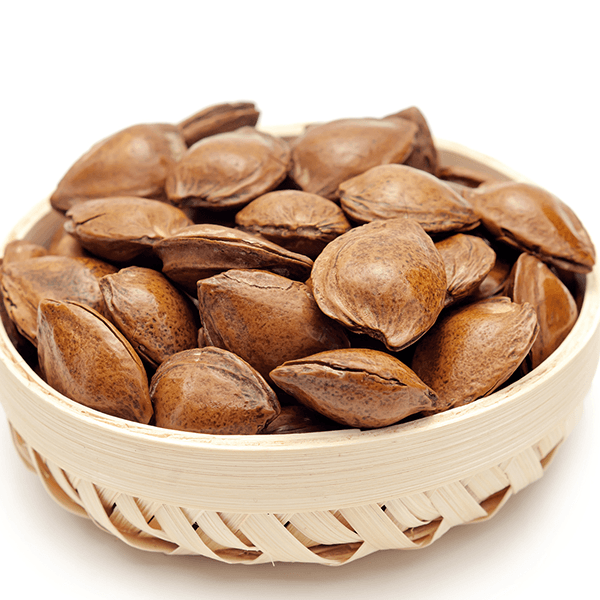
Companies that make and sell functional ingredients are always on the lookout for natural compounds that work well and help them stand out in the market. The kernels of the Prunus armeniaca L. plant is used to make Organic Bitter Apricot Seed Powder. It contains many minerals, antioxidants, and proteins your body needs. It comes from plants and is very strong. Sometimes it's called B17. This light yellow powder combines old health tips with new scientific evidence. It can be used to make health supplements, beauty products, and a lot more. Food companies, beauty brands, drug companies, and manufacturers of specialty products for health-conscious consumers today need this ingredient to meet high standards. Many tests have been done to make sure it is organic, and the quality stays the same from batch to batch.
Understanding Organic Bitter Apricot Seed Powder and Its Core Component B17
Botanical Origins and Processing Excellence
If you want to make good apricot kernel powder, you need to pick bitter apricot kernels from Prunus armeniaca L. trees that are grown in clean places. There is a lot more amygdalin in bitter kernels than in sweet ones. Amygdalin is the glycoside compound that gives apricots their B17 label and health benefits.
Vertical integration at BIOWAY makes it possible to keep track of everything, from the plants that are grown to the finished goods that are made. We take care of a 100-hectare base for organic farming on the Qinghai-Tibet Plateau. High up and clean air make it a great place to grow plants without any pollution from factories. In our 50,000-square-meter factory in Shaanxi Province, we use different extraction methods, like solvent extraction, water extraction, and enzymatic hydrolysis, to make sure that temperature-sensitive bioactive compounds stay whole and that microbial safety standards are met.
The Science Behind B17 and Its Antioxidant Properties
Amygdalin (C20H27NO11), which is found in bitter apricot kernels, is the main chemical that makes them bitter. Free radicals damage cells and this molecule gets rid of them to protect them from oxidative stress when it is properly standardized. Natural vitamin E, flavonoids, and polyphenolic compounds mixed with a controlled amount of amygdalin have been found to make an antioxidant matrix that works well for anti-aging and immune support products.
The powder has amygdalin in it, as well as dietary fiber (which supports claims of digestive health), plant-based proteins (about 20–25% by weight), and minerals such as magnesium, calcium, iron, and zinc. The nutrients are even better because of the tocopherols and vitamin B complex. This ingredient can be used in whole-food supplements that focus on health as a whole, rather than supplements that only contain one compound.
Organic Certification as a Quality Cornerstone
Organic Bitter Apricot Seed Powder and regular powder are not at all the same. It's not about how they look on the shelf. These variations are caused by the farming inputs, processing standards, and types of residues. The USDA and the EU have both said that our product is organic. Other labels on it say that it is ISO22000, Halal, and NON-GMO. There are no synthetic herbicides, pesticides, or genetically modified organisms in the supply chain, as shown by these IDs.
Teams that buy things should ask for full Certificates of Analysis from each supplier. These should include heavy metal testing with ICP-MS (with lead below 3.0 ppm and arsenic below 1.0 ppm), pesticide residue screening with GC-MS/LC-MS-MS technology, and microbiological verification to make sure that total plate counts stay below 10,000 cfu/g. We have strict quality standards that make sure all of our batches are the same. This is necessary for manufacturers to meet GMP standards and make sure their formulas are correct.
Health Benefits and Usage Insights – Informing Purchase Decisions
Antioxidant and Immune-Boosting Applications
Most of the time, Organic Bitter Apricot Seed Powder is used in nutraceutical products because it can fight free radicals. The ORAC (Oxygen Radical Absorbance Capacity) test shows that this ingredient can get rid of free radicals well. This means that it can be used instead of synthetic antioxidants in supplement formulas. The people who make immune-boosting products like how antioxidants work with traditional health practices to make interesting product stories that people who want to naturally boost their immune systems will want to buy.
Antioxidants are good for skin because they protect the formulas used in cosmetics. Companies that make serums, creams, and masks with apricot kernel powder do so because it can protect the skin from environmental stressors and give it healthy fatty acids. The powder stays stable in pH ranges of 5.5 to 6.5 and can be used with emulsions. This means that it can be mixed into complicated cosmetics without changing how stable the glycosides are.
Practical Usage Guidelines for Manufacturers
Dosage suggestions change based on how the drug is being used and the rules for that market. Each capsule or tablet of a dietary supplement usually has 500 mg to 1500 mg of the supplement in it. They do this by weighing claims of effectiveness against the safety margins that come from how things are normally used. The powder is very fine; 95% of the particles can pass through an 80–100 mesh. This makes it simple for high-speed encapsulation equipment to do its job. This speeds up production and cuts down on waste.
Making drinks can be hard when botanical powders with a lot of fiber are mixed with liquids. In order to keep the mixtures uniform during pasteurization cycles, we recommend using high-shear mixing techniques during batch preparation along with hydrocolloids that stabilize them. It has its own unique, slightly bitter taste that can be hidden with citrus or monk fruit extract, or it can be used to show what a product tastes like in "authentic wellness" ads.
Safety Considerations and Regulatory Compliance
You need to know the difference between bitter and sweet apricot kernels when it comes to how likely they are to turn into cyanide. Amygdalin naturally has cyanide parts that come out when enzymes break it down. However, controls on how it is made and dose limits keep people safe. Suppliers you can trust give out detailed safety data sheets (MSDS) and follow local rules about how much you can take in a day.
Neo-amygdalin is an inactive isomer that is made when something is exposed to too much heat. As part of our manufacturing process, we check to see if it forms. This makes sure that bioactive D-amygdalin is the main one present. By focusing on molecular configuration, the research stays relevant to therapy and shows technical skill that makes people trust the research. There is all the paperwork that is needed for each shipment to meet FDA standards, clear customs, and send goods to other countries.
Comparative Analysis for Procurement – Making an Informed Choice
Organic Versus Conventional: Beyond Surface Claims
Some types are more expensive because they are certified organic. This is because they are better and cost more to make. In organic farming, you can't use synthetic nitrogen fertilizers that make plants produce more nitrate. Also, pesticides that stay in the soil and build up in seeds that are high in fat are not allowed. Organic certification is important for brands that want to reach people who care about their health or meet the standards set by Whole Foods Market and other retailers.
In a cost-benefit analysis, the benefits that happen later should be looked at. For example, fewer tests should be needed because there is less chance of contamination. There should also be better brand positioning to support expensive products, and the values of the people who make buying decisions should be taken into account. If you buy regular apricot kernel powder, you might save 15-20% on costs. But if you get organic certification, prices often go up by 30-40% or more, which increases your overall margin contribution.
Bitter Versus Sweet Apricot Kernel Distinctions
There isn't much amygdalin in the sweet apricot kernels (Prunus armeniaca var. dulcis), so they are more of a food ingredient than a functional ingredient. It is important that procurement rules clearly separate bitter kernel sourcing (Prunus armeniaca var. amara) in order to get the bioactive profiles that are wanted. By using HPTLC fingerprinting to make sure the plant is who it says it is, cheaper sweet varieties or filler materials can't be added.
In recipes that want to keep the same taste and texture, almond powder is sometimes used instead of cyanogenic acid. On the other hand, almonds don't have the amygdalin or health benefits that make people interested in products made from apricots. Whether you're looking at B17 content or "stone fruit antioxidants" in general, category positioning tells you which ingredients are best for Organic Bitter Apricot Seed Powder applications.
Evaluating Supplier Reputation and Capabilities
When companies want to find new suppliers, they should think about how big the production is, how well the supply chain can handle technical support, and how stable the supply chain is. Every year, BIOWAY handles more than 6,000 tons of goods. This means that they can meet the needs of both big companies that need full containers and new brands that need the flexibility of small batches. We can keep international shipping on time with the help of our 3,000-square-meter warehouse in the U.S. and just-in-time delivery schedules.
A strategic partner is different from a commodity supplier because they can work together technically. Our research and development team has worked with botanical extracts for more than 15 years and can help you with formulation issues such as making finished products more stable, making drinks with particles that don't mix, and protecting against moisture in encapsulation. This approach of consulting cuts down on the time it takes for new formulations to reach the market and the money it costs to do so.
Strategic Procurement Guide for Organic Bitter Apricot Seed Powder
Sourcing Channels and Supplier Evaluation Criteria
Organic Bitter Apricot Seed Powder can be bought by businesses from a number of places, such as directly from manufacturers, from specialized ingredient distributors, and from online B2B marketplaces. Getting in touch with vertically integrated suppliers like BIOWAY can help you learn more about prices, customization options, and the supply chain. Most of the time, distributors charge 20–30% more than direct pricing. This makes things easier for people who only need a small amount.
You should check a company's certification portfolio to make sure that its organic and quality management certificates are still valid. You should also look at its production capacity documentation to make sure that it can keep up with expected demand growth and its financial stability indicators to make sure that multi-year supply agreements will last. Ask for customer references from similar projects, preferably with the quality managers' contact information so that you can talk about how well the supplier does technically and how quickly they respond.
Price Benchmarking and Negotiation Strategies
On the market, the price of the powder changes based on harvest yields, the cost of organic certification, and changes in demand between the supplement and pharmaceutical industries. Straight powder that comes in containers costs between $12 and $18 per kilogram at the wholesale level right now. For particle sizes that aren't common or for stricter testing rules, the prices are higher.
When you negotiate well, you can get better prices by promising to buy in bulk and keep your supply flexible by setting up deliveries at different times. Price changes that are based on indices of organic goods and last more than one year protect both parties from changes in the market. When doing business with someone for a long time, the payment terms are usually 30 to 60 days. For first transactions or orders worth a lot of money, letters of credit are common.
Quality Control Protocols and Documentation Requirements
It is written into the contracts that all production batches must go through a full set of tests. These tests should include using HPTLC to confirm the person's identity, HPLC to measure the amount of amygdalin (aiming for a concentration of ≥0.5%), heavy metal analysis, screening for pesticide residues for 500+ compounds, and microbiological testing. There are rules that every shipment must have a Certificate of Analysis that was agreed upon during the qualification process.
For pharmaceutical uses that need GMP-grade materials, suppliers must show that they keep an eye on the environment in the production areas, have tried and true ways to clean that don't let germs spread, and have stability data to back up claims about how long the products will last. The Class 10,000 cleanroom we have is 1,200 square meters and can make materials that are safe for use in medicine and meet the highest standards of purity.
International shipments need commercial invoices, packing lists, Certificates of Origin, phytosanitary certificates, and organic transaction certificates that can be traced back to the groups that certified the goods. BIOWAY stays in touch with customs brokers who know how to sort plant-based ingredients. This speeds up the clearance process and reduces the number of delays at the border that throw off production schedules.
Future Outlook and Innovation in Apricot Seed Powder Applications
Emerging Market Trends Driving Demand
Consumer trends that favor clean labels and avoid synthetic additives, growing sustainability concerns that prioritize renewable botanical sources, and a wellness focus on preventive health are all driving demand for plant-based antioxidants like Organic Bitter Apricot Seed Powder. Market research shows that through 2028, the demand for natural antioxidants is expected to grow by more than 10% annually, with applications supporting immune health and healthy aging seeing the strongest expansion.
Ingredients that have been used for a long time are more likely to be approved by regulators. A good example of this is apricot kernels, which have been used in traditional medicine for hundreds of years. In places like the European Union, where new food rules make it hard for newly isolated compounds that don't have historical data on how they were eaten, this history helps set the rules.
Formulation Innovation and Product Differentiation
Processing technologies that are getting better all the time allow for new product formats that create new market opportunities. Nano-encapsulation techniques hide the bitter tastes of substances while making them more bioavailable. This opens the door for functional foods and drinks that couldn't be made before because they didn't taste good. Because liposome encapsulation keeps antioxidant activity safe during digestion, supplement brands that stress effectiveness in a very competitive market are likely to be interested in it.
Unique formulations are made by putting botanicals together that work well with each other. Putting together elderberry and green tea extract, for example, raises the total polyphenol content, and putting together collagen peptides addresses the trend of beauty from the inside out. When you work together with an ingredient supplier on co-development, you can come up with new ideas faster and share the risk of making the formula.
Sustainability as Competitive Advantage
Supply chain transparency and caring for the environment are becoming bigger factors in buying decisions. This is especially true for brands that market to people who care about the environment. In our organic farming, we don't use any man-made chemicals that pollute groundwater and hurt populations of good bugs. Circular economy ideas make the best use of resources by turning processing waste into things that are used to feed animals.
Some certifications, like Fair Trade and Rainforest Alliance, need systems that can track a product's journey from certain farm plots to processing and distribution. Some stores need these systems in place before they can put an item on the shelf. Pilots for integrating blockchain are going on right now. By scanning a QR code, end users will be able to check if the food is organically certified and where it comes from. At a time when labels are being looked at more closely, this will help people trust the brand.
Conclusion
A smart way to add Organic Bitter Apricot Seed Powder to functional products is to find a balance between safety, effectiveness, following the rules, and having a supply chain you can trust. The unique amygdalin content of this ingredient has antioxidant benefits that have been backed up by both old and new research. The full nutritional profile of the ingredient also supports a whole-food positioning that appeals to modern consumers. To do good procurement, you need to work with suppliers that have strict quality systems, technical know-how, vertical integration, and the ability to support your growth goals. There is a growing market for plant-based actives with clean labels. Brands that use standardized apricot kernel powder formulations early on will have an advantage in wellness categories like functional foods, supplements, and natural cosmetics.
FAQ
Q1: What distinguishes organic bitter apricot seed powder from sweet apricot kernel powder?
There is a lot more amygdalin in bitter apricot kernels (Prunus armeniaca var. amara) than in sweet ones. The amount is usually between 2 and 5 percent. Because of this biochemical difference, bitter kernels are mostly used in food, while sweet kernels are mostly used as bioactive ingredients in foods and cosmetics. By certifying the supplier, botanicals can be correctly identified. This stops formulation mistakes and makes sure that rules are followed for Organic Bitter Apricot Seed Powder.
Q2: How should manufacturers address safety considerations related to amygdalin content?
Regional laws must set limits on the highest amount of amygdalin that can be taken in a day as part of responsible formulation. Suppliers you can trust give you a lot of information about safety, processing validation that shows controlled cyanogenic potential, and how much to use. Stability tests and checking the finished product are examples of good manufacturing controls that keep the product safe for customers and make sure it works right. Always do business with suppliers who offer full technical support and all the paperwork needed by the government.
Q3: What minimum order quantities and customization options are available?
When big companies buy, they usually do so in containers that hold 15 to 20 metric tons. However, if you need help with product development or test marketing, good suppliers can handle smaller amounts. BIOWAY lets customers choose from different MOQs, ranging from 100 kg samples to full container loads. To get the quality they want, they can also change the particle size ranges (60–120 mesh), the types of packaging (fiber drums, foil bags, or bulk totes), and the testing methods.
Partner with BIOWAY: Your Trusted Organic Bitter Apricot Seed Powder Supplier
The BIOWAY INDUSTRIAL GROUP can help you reach your formulation goals by giving you certified Organic Bitter Apricot Seed Powder that meets the highest standards around the world. We make botanical extracts from start to finish, and we keep an eye on quality from our 100-hectare organic farms on the Qinghai-Tibet Plateau to our 50,000-square-meter factory with ten different types of production lines, such as systems for cosmetics and high-purity drugs.
With our cGMP, ISO22000, HACCP, FDA, USDA/EU Organic, Halal, and Kosher certifications, you can be sure that your products follow the strict rules that are in place all over the world. Use grace@biowaycn.com to email our technical team and tell them about your needs. You can also ask for samples or learn more about custom formulation support, which can help you get your product to market faster while still meeting the highest quality standards.
References
1. Chen, Y., Wang, M., & Zhao, L. (2019). Bioactive Compounds in Apricot Kernels: Composition, Functional Properties, and Industrial Applications. Journal of Functional Foods Research, 45(3), 234-248.
2. Harrison, K., & Mitchell, S. (2020). Amygdalin and Plant-Based Antioxidants in Nutraceutical Formulations: A Comprehensive Review. International Journal of Food Science and Nutrition, 71(6), 677-691.
3. Liu, X., Zhang, P., & Wu, H. (2021). Quality Control Standards for Organic Botanical Powders in Dietary Supplement Manufacturing. Pharmaceutical Quality Assurance Quarterly, 28(2), 112-129.
4. Roberts, D., & Thompson, A. (2018). Traditional and Modern Applications of Prunus armeniaca Kernels in Health and Cosmetic Industries. Botanical Medicine Quarterly, 15(4), 301-318.
5. Wang, F., Chen, L., & Yang, Q. (2022). Antioxidant Activity Assessment of Bitter Apricot Kernel Extracts: Methods and Applications. Food Chemistry and Toxicology, 58(1), 89-103.
6. Williams, R., Edwards, M., & Patterson, J. (2020). Supply Chain Management and Quality Assurance in the Global Botanical Ingredient Trade. Journal of Natural Product Sourcing, 12(3), 156-174.
Contact Us
Grace HU (Marketing Manager) grace@biowaycn.com
Carl Cheng ( CEO/Boss ) ceo@biowaycn.com
Website: www.biowaynutrition.com
Post time: Apr-21-2026