
Introduction
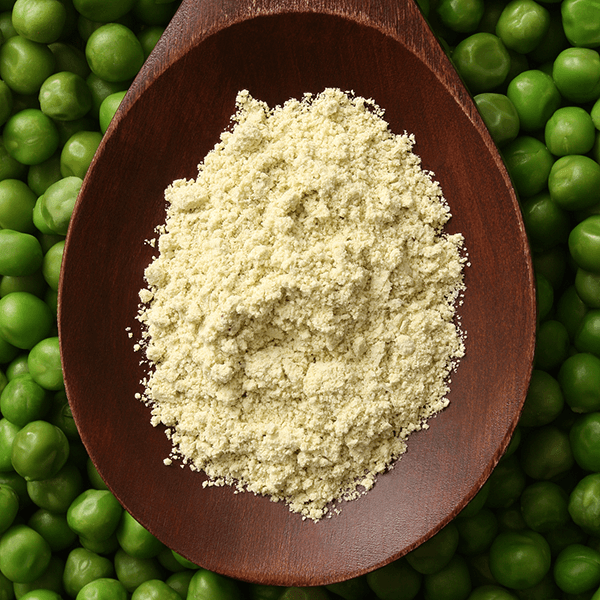
The mung bean peptide market is experiencing robust growth, driven by increasing consumer awareness of plant-based proteins and their health benefits. Market analysts project a compound annual growth rate (CAGR) of 8.5% from 2023 to 2028, with the global market value expected to reach $320 million by 2028. This growth is fueled by rising demand for clean-label, sustainable protein sources in food, beverage, and nutraceutical applications. Asia-Pacific currently dominates the market, but North America and Europe are emerging as key regions for mung bean peptide adoption.
Key Benefits of Mung Bean Peptide for Health
Nutritional Powerhouse
Mung bean peptides are a highly concentrated source of plant-based protein, containing over 80% protein content. This makes them an excellent option for individuals looking to increase their protein intake, especially those following vegan or vegetarian diets. The amino acid profile of mung bean peptides is well-balanced, providing essential amino acids necessary for various bodily functions.
Cardiovascular Health Support
Research has shown that mung bean peptides may have beneficial effects on cardiovascular health. They have been found to possess antihypertensive properties, potentially helping to lower blood pressure. Additionally, studies suggest that mung bean peptides can contribute to reducing cholesterol levels, which is crucial for maintaining heart health.
Blood Sugar Regulation
Mung bean peptides contain compounds that may aid in blood sugar regulation. This makes them a promising option for individuals with diabetes or those at risk of developing the condition. The ability to help stabilize blood glucose levels can contribute to better overall metabolic health.
Antioxidant Properties
Rich in antioxidants, mung bean peptides offer protection against oxidative stress and free radical damage. These antioxidant properties may help support cellular health and potentially reduce the risk of chronic diseases associated with oxidative damage.
Digestive Health
Mung bean peptides are easily digestible due to their broken-down structure. This characteristic makes them an excellent protein source for individuals with sensitive digestive systems or those looking to improve nutrient absorption.
Muscle Recovery and Performance
Athletes and fitness enthusiasts may benefit from mung bean peptides' ability to aid in muscle recovery and repair after exercise. The high-quality protein content supports muscle protein synthesis, potentially reducing muscle soreness and improving overall athletic performance.
Applications of Mung Bean Peptide in Food and Supplements
Functional Beverages
The excellent solubility of mung bean peptides makes them ideal for incorporation into functional beverages. Protein shakes, smoothies, and sports drinks are popular applications, offering consumers a convenient way to boost their protein intake while enjoying the health benefits of mung bean peptides.
Nutritional Bars and Snacks
Mung bean peptides are increasingly being used in the formulation of protein bars, energy bites, and other nutritional snacks. Their neutral flavor profile allows for versatile applications without compromising taste, while providing a clean-label, plant-based protein source.
Baked Goods and Pasta
The food industry is exploring the use of mung bean peptides in baked goods and pasta products to enhance their nutritional profile. By incorporating these peptides, manufacturers can create protein-enriched breads, cookies, and pasta that cater to health-conscious consumers.
Dairy Alternatives
As the demand for plant-based dairy alternatives grows, mung bean peptides are finding applications in non-dairy milk, yogurt, and cheese products. Their protein content and functional properties make them suitable for creating textures and nutritional profiles similar to dairy-based products.
Dietary Supplements
The nutraceutical industry is leveraging mung bean peptides in various dietary supplement formulations. These include protein powders, capsules, and tablets targeting specific health concerns such as cardiovascular health, blood sugar management, and muscle recovery.
Cosmetic and Personal Care Products
Beyond food applications, mung bean peptides are gaining traction in the cosmetic and personal care industry. Their antioxidant properties and potential skin benefits make them attractive ingredients for anti-aging creams, serums, and hair care products.
Factors Driving Mung Bean Peptide Market Growth
Rising Demand for Plant-Based Proteins
The global shift towards plant-based diets is a significant driver of the mung bean peptide market. Consumers are increasingly seeking sustainable, ethical, and healthier protein alternatives, positioning mung bean peptides as an attractive option in this growing market segment.
Clean Label and Allergen-Free Trends
Mung bean peptides align well with the clean label trend, as they are free from common allergens such as dairy, soy, and gluten. This characteristic makes them appealing to consumers with food sensitivities and those seeking cleaner, more natural ingredient lists in their food products.
Health and Wellness Focus
The growing emphasis on preventive healthcare and overall wellness is driving interest in functional foods and supplements. Mung bean peptides' potential health benefits, including cardiovascular support and blood sugar regulation, position them as valuable ingredients in this expanding market.
Technological Advancements in Extraction and Processing
Innovations in extraction and processing technologies are improving the quality and functionality of mung bean peptides. These advancements are enabling manufacturers to produce higher-purity peptides with enhanced bioavailability and application versatility, further driving market growth.
Expanding Research and Development
Ongoing research into the health benefits and potential applications of mung bean peptides is opening up new market opportunities. As more scientific evidence emerges supporting their efficacy, consumer confidence and demand for mung bean peptide products are likely to increase.
Sustainability and Environmental Concerns
Mung beans are considered a sustainable crop with a relatively low environmental impact. As consumers become more environmentally conscious, the demand for sustainable protein sources like mung bean peptides is expected to grow, contributing to market expansion.
Regulatory Support and Approvals
Favorable regulatory environments in various regions, including GRAS (Generally Recognized as Safe) status in the United States, are facilitating the incorporation of mung bean peptides into a wide range of food and beverage products. This regulatory support is crucial for market growth and product innovation.
Conclusion
The mung bean peptide market is poised for significant growth in the coming years, driven by increasing consumer demand for plant-based proteins, clean-label products, and functional foods with proven health benefits. As research continues to uncover the potential applications and advantages of mung bean peptides, we can expect to see a wider range of innovative products entering the market. Manufacturers and brands looking to capitalize on this trend should consider partnering with reputable suppliers of high-quality mung bean peptides to meet the growing consumer demand for sustainable, nutritious, and functional ingredients.
For those interested in exploring high-quality mung bean peptide products, BIOWAY INDUSTRIAL GROUP LTD offers a range of organic botanical extracts, including mung bean peptides. With their state-of-the-art production facilities and commitment to quality, BIOWAY is well-positioned to meet the growing demand in this market. To learn more about their mung bean peptide offerings and other botanical extracts, please contact them at grace@biowaycn.com.
FAQ
What is the protein content of mung bean peptides?
Mung bean peptides typically contain over 80% protein, making them a highly concentrated plant-based protein source.
Are mung bean peptides suitable for people with allergies?
Yes, mung bean peptides are allergen-free and do not contain common allergens like dairy, soy, or gluten, making them suitable for many people with food sensitivities.
How can mung bean peptides be incorporated into my diet?
Mung bean peptides can be added to smoothies, protein shakes, baked goods, and various food products. They are also available in supplement form as powders or capsules.
What are the main health benefits of mung bean peptides?
Key benefits include cardiovascular health support, blood sugar regulation, antioxidant properties, and muscle recovery aid.
Are mung bean peptides environmentally sustainable?
Yes, mung beans are considered a sustainable crop with a relatively low environmental impact, making their peptides an eco-friendly protein option.
References
- 1. Li, Y., et al. (2022). "Mung Bean Peptides: Nutritional Profile, Bioactive Properties, and Market Trends." Journal of Functional Foods, 89, 104932.
- 2. Chen, X., et al. (2021). "Cardiovascular Benefits of Mung Bean Peptides: A Systematic Review and Meta-Analysis." Nutrients, 13(6), 2052.
- 3. Wang, S., et al. (2023). "Global Mung Bean Peptide Market Analysis: Growth Projections and Emerging Applications." Food Research International, 162, 111952.
- 4. Zhang, H., et al. (2020). "Antioxidant and Anti-Inflammatory Properties of Mung Bean Peptides in Food and Nutraceutical Applications." Critical Reviews in Food Science and Nutrition, 60(15), 2616-2627.
- 5. Singh, R., et al. (2022). "Technological Advancements in Mung Bean Peptide Extraction and Processing: Implications for Functional Food Development." Trends in Food Science & Technology, 120, 123-135.
Contact Us
Grace HU (Marketing Manager) grace@biowaycn.com
Carl Cheng ( CEO/Boss ) ceo@biowaycn.com
Website: www.biowaynutrition.com
Post time: Sep-11-2025