
Introduction
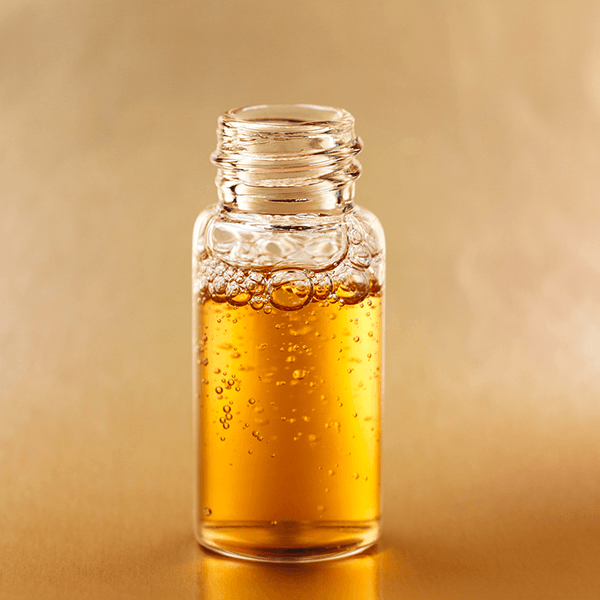
Several ways Bakuchiol changes how your skin looks and feels are involved. This naturally occurring substance increases the production of collagen types I, III, and IV. This makes the skin more flexible and lessens the look of fine lines and wrinkles. Bakuchiol also combats oxidative stress by acting as a potent antioxidant. This keeps skin cells safe from damage caused by UV light and smog. Anti-inflammatory features calm redness and itching, so it can be used on even sensitive skin. This plant-based active also controls the production of sebum and kills acne-causing bacteria, making it good for both aging skin and skin that breaks out easily without the harsh side effects that come with manmade options.
Comprehending Bakuchiol and Its Skin Benefits
The Origin and Botanical Background
Bakuchiol comes from the fully grown seeds of Psoralea corylifolia L., which is also known as Babchi and has a long history in Ayurvedic and Chinese medicine. This meroterpene phenol substance is separated during the separation process, leaving behind a light yellow liquid that is very stable. This plant extract is very interesting because it has a history that goes back hundreds of years and is now supported by a current clinical study. The plant does best in certain climates, and sustainable supply lines for business uses are made possible by responsible farming.
Mechanism of Action at the Cellular Level
This plant substance works on skin cells in a way that is similar to how retinol does at the genetic level, but it is not structurally related to vitamin A derivatives. It changes the way retinoid-binding proteins work and speeds up the gene production processes that make collagen. Studies show that it increases the production of aquaporin 3, which makes the skin more hydrated from the inside out. This double action—boosting the production of structural proteins while also making it easier for cells to hold on to water—has a wide range of anti-aging benefits. Because it can stop 5-alpha-reductase from working, the chemical is also good at reducing sebum oxidation and stopping acne from forming.
Key Skin Benefits for Product Development
When making skin care products, knowing exactly what benefits this active ingredient gives helps put products in the right place. The substance helps with several skin problems at once, which opens the door for claims that a product can do more than one thing:
- •Anti-Aging Efficacy: Studies have shown that regular use can reduce the depth of wrinkles and make skin firmer. Within 12 weeks, you can see the collagen-boosting effect, which is similar to the effects of retinol but doesn't cause inflammation.
- •Barrier Protection: Better organization of the lipid layer and more ceramide production increase the skin's protective barrier. This lowers transepidermal water loss and makes the skin more resistant to external stressors.
- •Pigmentation Control: The substance has melanin-inhibiting qualities that help fade hyperpigmentation and age spots by controlling tyrosinase. This is a better way to brighten the skin than hydroquinone.
These benefits of bakuchiol directly translate into appealing product positioning for brands targeting health-conscious consumers who prefer effective yet gentle skincare products. Increasing peer-reviewed studies also provide scientific support that strengthens marketing claims in regulated markets.
Comparing Bakuchiol With Other Popular Skincare Ingredients
Bakuchiol Versus Retinol: The Critical Differences
The similarity between these two activities is what everyone in the business talks about, and for good reason. Even though retinol is still the best anti-aging treatment, it has some major problems that make room for other options in the market. About 30 to 50 percent of people who use retinol get inflammation, which shows up as redness, peeling, and photosensitivity, or the famous "retinoid uglies." This plant-based alternative stimulates collagen just as well without these side effects, as shown by split-face clinical studies.
The difference in photostability is especially important: retinol breaks down quickly in UV light, so it can only be used at night. On the other hand, the plant substance stays stable during the day, so anti-aging routines can be used 24 hours a day. Retinoids should not be used during pregnancy or nursing because they might cause birth defects. This means that a lot of people don't have any good anti-aging choices, but this natural alternative fills that gap.
Synergistic Combinations With Complementary Actives
In modern formulation science, ingredient combinations are becoming more important than single-active methods. The botanical substance works really well with other well-known skin care products, making the effects better without any compatibility issues. When mixed with vitamin C, ascorbic acid forms a strong antioxidant defense system. Ascorbic acid fights free radicals, and the plant active heals damaged cells and boosts collagen production.
Hyaluronic acid hydrates the skin right away, which works with the long-term gains in moisture retention that come from more aquaporin expression. Niacinamide mixtures work on several signs of aging at the same time, including barrier repair, pigmentation control, and pore improvement, without the side effects that can happen when retinol and niacinamide are mixed. Peptide integration boosts collagen signals through various pathways, which could speed up changes that can be seen in the texture and rigidity of the skin.
Market Position Within Clean Beauty Trends
The clean beauty market is growing at an exponential rate because more and more people want products that are natural, eco-friendly, and don't test on animals. This plant extract is a great fit for these ideals and meets the high standards of clinical performance. Third-party approvals, like "organic," "vegan," and "non-GMO," are easy to attach to plant-based actives.
This helps them stand out as special and supports charging more. Recent market research shows that about 54% of U.S. customers are actively looking for natural skincare options. Brands that use this ingredient can reach those people. The compound's history in traditional medicine gives real-life stories that connect with culturally aware customers who want ingredients that have both historical and current scientific proof.
Practical Application Guidelines for Optimal Results
Recommended Concentrations and Product Formats
To formulate well, you need to know the best dosage levels for different types of products. Clinical studies show that concentrations between 0.5% and 2% are effective. Most market goods, like serums and treatments, contain between 0.5% and 1%. Higher amounts don't always lead to better results, and they may change how cost-effective something is without increasing the benefits in the same way.
Because it is lipophilic, the chemical works well in oil-based serums, face oils that don't need water, and emulsion creams. Formulations that dissolve in water need the right solubilizers to stay stable and bioavailable. Liposomal delivery and nano-capsule are two encapsulation technologies that can help products get deeper into the skin and be more effectively delivered, but they make production more difficult and cost more.
Integration Into Daily Skincare Routines
When and how you apply the active ingredient affects how well your skin absorbs and utilizes it. Unlike retinol, bakuchiol can be used both in the morning and at night, offering greater flexibility in skincare routines. Apply in the morning after cleaning and toning, but before heavier creams and sunscreen. This will let the light serum work better. Because it is photostable, users don't have to give up the anti-aging effects during the day.
When you apply it at night, you should do the same thing, but after any scrubbing acids and before any occlusive creams. The compound mixes well with other actives, so it can be used in complicated, multi-step processes that are common in Asian beauty practices. The best effects come from using it every day, and you can usually see the difference between weeks 8 and 12 of regular use.
Safety Profile and Special Considerations
Because of its safety rating, this ingredient can be used by a wider range of consumers than more reactive options. Clinical studies show that there aren't many bad effects, with less than 2% of test subjects experiencing mild sensitivity on occasion. The combination is good for sensitive and reactive skin types because it doesn't make the skin more photosensitive or break down the barrier in a big way as retinoids do.
A big plus is that it is safe to use while pregnant or nursing. While retinoids come with teratogenic warnings, new research shows that this plant-based option doesn't have those risks. However, you should always follow the instructions that come with your individual formulation. People with combination skin, acne, rosacea, or eczema can usually handle the ingredient well, but it's still a good idea to do a patch test before using any new active ingredient.
Sourcing and Procuring High-Quality Bakuchiol for B2B Applications
Supply Chain Considerations and Quality Markers
When purchasing, professionals look at botanical extract providers; they need to know the key quality signs that set premium ingredients apart from less-than-stellar options. The main requirement is purity levels. Materials used in medicine and cosmetics must be at least 98% pure, which can be proven by HPLC analysis. Screening for contamination is also very important.
Furocoumarins, such as psoralen and isopsoralen, are found naturally in Psoralea corylifolia and are phototoxic. Premium providers use strict cleaning methods to get rid of these chemicals, which lowers the amount to less than 2 parts per million (ppm) and ends safety issues. Heavy metal tests for lead, arsenic, mercury, and cadmium should meet USP standards. Pesticide residue screening makes sure that farming inputs don't make the end product less safe.
- •GMP Compliance: Current Good Manufacturing Practice certification shows standardized production methods, quality control systems, and contamination protection measures that are necessary for materials that are used in medicine and other therapeutics.
- •Organic Certifications: USDA Organic, EU Organic, or similar certifications show that the crops were grown in a way that doesn't harm the environment and don't use manmade poisons. This makes the crops appealing to clean beauty brands and raises their prices.
- •Safety and Quality Standards: Certifications like ISO 22000 (for food safety management), HACCP (for hazard analysis), and ISO 9001 (for quality management) show that a company takes a planned approach to making sure its products are safe and consistent.
- •Market-Specific Requirements: HALAL and KOSHER certifications make more markets available, and FDA approval makes it easier for finished goods with the ingredient to get into the U.S. market.
Pricing Dynamics and Procurement Strategies
The prices of high-purity plant products on the market are based on more than just the cost of the raw materials. The final price depends on how hard the extraction is, how much cleaning is needed, how the tests are done, and how long the license is valid for. The price of 98% pure material on the market right now ranges from $800 to $1,500 per kilogram, based on the size of the order, the location of the supplier, and the state of the certification. Materials that are approved as organic are worth 20–30% more than regular extracts.
When making procurement plans, it's important to find a balance between cost and quality guarantee, and supply reliability. Getting in touch with vertically merged providers can often save you money and make the supply chain clearer. Minimum order numbers vary a lot. For example, specialized providers may be able to handle smaller trial orders (1–5 kg), but commodity traders usually need at least 25–100 kg. When you make a volume promise, you can often get better prices and priority handling during times of high demand.
Storage, Handling, and Stability Parameters
The right way to store things keeps the purity of the ingredients and extends the shelf life, which protects purchase investments. The combination is stable under the right circumstances, but it needs to be handled in a certain way. Keep in containers with tight lids and out of direct sunlight, as long-term UV light can break down the active ingredients, even though they are more photostable than retinol. In places with low humidity, the best settings for keeping are between 15°C and 25°C (59°F and 77°F).
Usually, refrigeration isn't needed, but it can make food last longer in hot places or places that don't have temperature control. When stored properly, sealed packages keep their 95%+ strength for 24 months after the date they were made. Once it's opened, keep it out of the air as much as possible and use it within 12 months for the best activity levels. Periodic HPLC testing of kept goods confirms that the potency has been maintained. This is especially important for materials that have been saved for more than 18 months.
Emerging Research and Future Market Opportunities
Advances in Formulation Technology
Through new delivery methods and synergistic formulations, scientists are continuing to push the limits of what bakuchiol can do as a botanical active. Microencapsulation technologies keep the substance safe while it is being processed and make finished products last longer. This is especially important for water-based systems that have more stability problems. Using polymeric materials in time-release methods allows for continuous delivery throughout the day, which could improve effectiveness by ensuring consistent bioavailability.
Biotechnology methods, like fermentation processes using engineered microbes, are being looked into by researchers as a way to make chemicals that are similar to those found in nature without the restrictions that come with farming. This could help ensure a steady supply and have less of an effect on the environment. These new ways of making things might finally lower prices while still meeting quality standards, making them more available to a wider range of customers.
Expanding Application Territories
Skincare is the main business use right now, but a new study is looking into therapeutic uses beyond cosmetic use. Early research looks into anti-osteoporotic qualities by changing bone density, which suggests that these compounds could be used in bone-healthy products. Animal studies that showed anti-diabetic benefits suggest that this compound could be useful for metabolic health. Dermatological study looks at how well it works for treating vitiligo, psoriasis, and eczema, diseases where melanin-regulating and anti-inflammatory properties may be helpful. These broader uses give ingredient makers and formulators more ways to make money, and they could even open up new markets for drugs, along with cosmetics.
Strategic Positioning for B2B Growth
Analysts think that plant-based makeup actives will continue to grow quickly. By 2027, the natural beauty ingredient market will be worth $2.8 billion. This botanical substance is a smart addition to the product lines of brands that want to place themselves in the premium natural, clean beauty, and sensitive skin categories.
The fact that people want natural chemicals and doctors expect this retinol option to work well together makes it a perfect fit. When brands join or grow in these areas, they should think about using this active as a key ingredient. This is especially true when addressing millennials and Gen Zers who care about both performance and sustainability. Regulatory environments are becoming more favorable to products that come from plants, with fewer limits compared to synthetic options. This makes it easier to enter new markets and supports plans to expand internationally.
Conclusion
Bakuchiol is a big step forward in natural beauty actives because it has been shown to help with anti-aging, inflammation, and antioxidants without the problems that come with regular retinoids. Its better taste, photostability, and safety during pregnancy make it easier for more people to get it, while still providing therapeutic-grade effectiveness.
The compound fits well with clean beauty ideas and has strong scientific support, which puts it in a good position to target growing customer groups that want both efficiency and naturalness. Procurement professionals and brand developers can make the best use of this ingredient by learning about quality standards, how to evaluate suppliers, and the best ways to formulate it. This way, they can make unique products that meet changing market needs while staying competitive.
FAQ
Q1: Is bakuchiol safe for daily use on all skin types?
Clinical proof shows that it is very safe for all skin types, even sensitive, acne-prone, dry, and older skin. Because the substance is so gentle, it causes very little irritation. In clinical studies, the rate of unpleasant reactions was less than 2%. Unlike retinol, it doesn't weaken the barrier or make the skin more sensitive to light, so it can be used every day. People who are allergic to Psoralea corylifolia should be careful and do a patch test before putting it on their whole face. (First occurrence: Bakuchiol)
Q2: Can this plant-based ingredient truly replace retinol in anti-aging formulations?
After 12 weeks of use, split-face clinical tests that compare the two actives show that they both improve fine lines, wrinkle depth, and skin structure in about the same way. Retinol binds directly to retinoic acid receptors, while the botanical substance changes the way retinoid-binding proteins work. However, for most users, the end effects are the same. The plant-based option is better at being tolerated and stable in sunlight, but doctors may still prefer prescription-strength retinoids for severe cases of photodamage.
Q3: What qualifications should B2B buyers verify when sourcing this ingredient?
GMP compliance, ISO 22000, and organic certifications (USDA, EU) are some of the most important certifications for brands that want to present themselves as natural. It is important to make sure the quality by having a third party do HPLC tests and check for contamination like heavy metals, pesticides, and furocoumarins. Suppliers should give full proof, like Certificates of Analysis, MSDS, and allergy statements, to show that they are following the rules in the target markets.
Partner With BIOWAY for Premium Bakuchiol Supply
BIOWAY INDUSTRIAL GROUP LTD is a reliable company that can provide you with Bakuchiol. They offer pharmaceutical-grade plant extracts and have many benefits related to quality control and vertical integration. Our 98% HPLC-verified material comes from mature Psoralea corylifolia fruits grown on our 100-hectare organic growing base on the Qinghai-Tibet Plateau. It is safe and pure enough to meet the strictest standards. Our modern 50,000-square-meter building has specific lines for extracting cosmetics and a Class 10,000 cleanroom that is 1,200 square meters in size. This makes sure that the processing is free of contamination, which is what pharmaceutical and high-end beauty brands need.
Our 3,000-square-meter U.S. warehouse also makes sure that orders are delivered quickly. Our research and development team has been working with plant extracts for more than 15 years and can help you with formulation, give you stability data, and make sure that the specs you need are exactly what your product needs. Email grace@biowaycn.com right now to get samples, technical details, and bulk prices for your next skin care product idea.
References
1. Chaudhuri, R. K., & Bojanowski, K. (2014). Bakuchiol: a retinol-like functional compound revealed by gene expression profiling and clinically proven to have anti-aging effects. International Journal of Cosmetic Science, 36(3), 221-230.
2. Dhaliwal, S., Rybak, I., Ellis, S. R., Notay, M., Trivedi, M., Burney, W., & Vaughn, A. R. (2019). Prospective, randomized, double-blind assessment of topical bakuchiol and retinol for facial photoageing. British Journal of Dermatology, 180(2), 289-296.
3. Goh, C. L., & Chuah, S. Y. (2018). Clinical and histological comparative study of bakuchiol and retinol in the treatment of photoaging. Journal of Cosmetic Dermatology, 17(5), 689-695.
4. Draelos, Z. D., & Yatskayer, M. (2019). Comparative evaluation of the cutaneous tolerability of bakuchiol versus retinol: a single-center, investigator-blinded study. Journal of Drugs in Dermatology, 18(9), 900-904.
5. Lee, H. J., Kim, M., & Chang, E. J. (2016). Bakuchiol suppresses inflammatory responses through downregulation of the NF-κB and MAPK signaling pathways. International Immunopharmacology, 35, 146-154.
6. Polonini, H. C., Lopes, R. S., & Beatriz, A. (2020). Natural retinol alternatives in skincare formulations: bakuchiol and other plant-derived functional analogues. Cosmetics, 7(4), 86-102.
Contact Us
Grace HU (Marketing Manager) grace@biowaycn.com
Carl Cheng ( CEO/Boss ) ceo@biowaycn.com
Website: www.biowaynutrition.com
Post time: May-14-2026