
Introduction
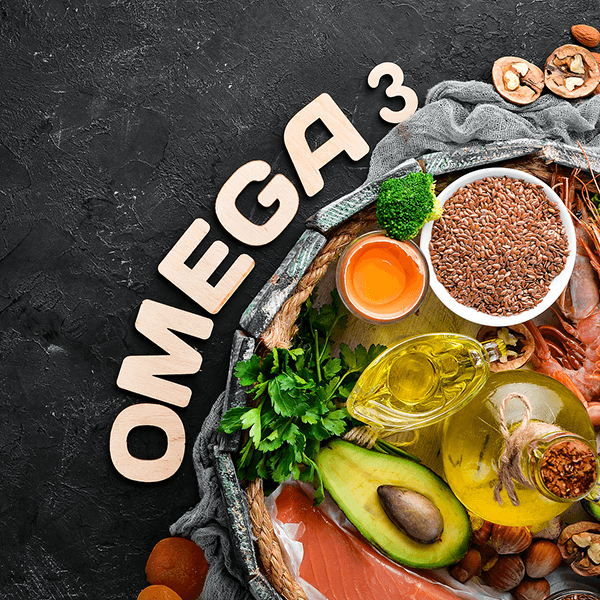
The omega-3 polyunsaturated fatty acid eicosapentaenoic acid (EPA) is essential for controlling inflammation, promoting cardiovascular health, and preserving brain function. Eicosapentaenoic acid is a 20-carbon chain molecule with five double bonds. Inside the body, it changes into resolvins and protectins, which are anti-inflammatory chemicals. These specific molecules help keep the immune system in check, lower long-term inflammation, and shield cell walls in many body systems. Clinical study shows that getting enough eicosapentaenoic acid helps keep triglyceride levels, joint pain, and mood in check, and it also protects against the brain loss that comes with getting older.
Understanding Eicosapentaenoic Acid (EPA)
Chemical Nature and Marine Origins
Eicosapentaenoic acid is a long-chain omega-3 fatty acid that is mostly found in mackerel, sardines, and anchovies, which are cold-water fish. The chemical structure has a 20-carbon backbone and five cis-double bonds placed at specific intervals. This makes it very effective. Marine plants naturally make eicosapentaenoic acid, which builds up as fish eat these bacteria and moves up the food chain. This concentration effect is what makes fatty fish such a good source of this important nutrient.
Fish oil powder (CAS: 10417-94-4) is a stable, concentrated source of eicosapentaenoic acid that can be used in large-scale manufacturing. This white to light yellow powder form is more stable than liquid oils, but it can still be dissolved in methanol for chemical tests. This pharmaceutical-grade ingredient meets the strict purity standards needed by health product makers because it has specs that promise at least 10% eicosapentaenoic acid content.
Biological Roles and Health Mechanisms
In the human body, eicosapentaenoic acid joins with phospholipids in cell membranes and changes the way membranes move and how cells talk to each other. Eicosapentaenoic acid is changed by the body into series-3 prostaglandins and thromboxanes, which balance out pro-inflammatory molecules that come from omega-6 fatty acids. This balance is very important for controlling systemic inflammation that is linked to heart disease, metabolic syndrome, and inflammatory diseases.
Eicosapentaenoic acid and arachidonic acid fight for access to cyclooxygenase enzymes. This stops the production of eicosanoids that cause inflammation. According to studies published in cardiovascular journals, people who eat a lot of eicosapentaenoic acid-rich foods have lower rates of heart disease, less platelet clumping, and better capillary function. Eicosapentaenoic acid starts a chain reaction that reduces inflammation, which helps protect the heart and also keeps the skin healthy and the brain strong.
Recognizing Deficiency Patterns
Omega-3 fatty acids are often not present in suitable amounts in modern Western meals compared to omega-6 fatty acids. This creates an unbalanced inflammatory environment. Some common signs of a shortage are thin, dry skin, trouble concentrating, stiff joints, and heart problems. People who don't eat fish are especially at risk unless they carefully add eicosapentaenoic acid-rich items to their diet.
When purchasing health products, people in charge should know that eicosapentaenoic acid shortage is a common nutritional gap that affects millions of people around the world. Functional foods, vitamins, and therapeutic nutrition items with added eicosapentaenoic acid are in high demand because of this fact of the market. Knowing these patterns of deficiency helps companies place eicosapentaenoic acid-based products to meet the real health worries of consumers that are backed up by science.
Key Benefits and Applications of EPA in Industry
Cardiovascular Protection and Metabolic Health
At therapeutic amounts, clinical studies repeatedly show that eicosapentaenoic acid can lower triglyceride levels by 20 to 30 percent. Unlike some omega-3 supplements, high-purity eicosapentaenoic acid has little effect on LDL cholesterol while having a big positive effect on the heart. Certain prescription eicosapentaenoic acid products have been made by drug companies to help people with hypertriglyceridemia who don't get better with statins alone.
The fish oil eicosapentaenoic acid powder we sell is good for your heart in a number of ways, such as by preventing platelets from sticking together, making arteries more flexible, and keeping atherosclerotic plaques stable. Because it is good for the heart, eicosapentaenoic acid is a popular active ingredient in functional foods that promote heart health, sports nutrition recovery recipes, and clinical nutrition guidelines for managing metabolic syndrome.
Anti-Inflammatory Applications
Because eicosapentaenoic acid can change the processes that cause inflammation, it is a useful chemical in the medicinal, nutraceutical, and cosmetic industries. When used in pharmaceuticals, pure eicosapentaenoic acid is an active ingredient that helps treat diseases that cause chronic inflammation. Nutraceutical companies put eicosapentaenoic acid in joint health products because it can lower the levels of pro-inflammatory cytokines, which helps with muscle damage from exercise and joint pain that comes with getting older.
More and more beauty and personal care companies are realizing that eicosapentaenoic acid can help calm skin conditions that are reacting to things. When eicosapentaenoic acid is made into topical treatments, it has antioxidant qualities that protect against environmental stresses and help the skin's barrier function. Microbiological tests show that eicosapentaenoic acid powder that has been properly stable meets the purity standards needed for makeup raw materials and meets the safety and effectiveness standards set by high-end skincare brands.
Cognitive Health Enhancement
New study shows that eicosapentaenoic acid plays a unique role in mental health that is different from DHA's structural role in brain tissue. When looking at mood disorders, studies show that eicosapentaenoic acid-predominant formulations (usually 4:1 EPA to DHA ratios) work better at treating depressed symptoms than DHA-heavy options. Because of this discovery, experts in mental nutrition have recommended high-EPA preparations for medical uses that aim to reduce neuroinflammation.
Brain function benefits include protecting neurons against the cognitive loss that comes with getting older. Eicosapentaenoic acid helps keep the membranes of brain cells healthy and lowers reactive stress, which speeds up neurodegeneration. Companies that make functional drinks that are good for your brain can use these brain-boosting qualities to make their products stand out in the competitive nootropic market. Because it comes in powder form, it's easy to add to ready-to-drink drinks, meal replacements, and performance nutrition items.
Comparing Eicosapentaenoic Acid with Other Omega-3 Fatty Acids
EPA Versus DHA: Structural and Functional Distinctions
Eicosapentaenoic acid and DHA are both long-chain omega-3 fatty acids, but they have different molecular effects. Eicosapentaenoic acid has 20 carbons and five double bonds, while DHA has 22 carbons and six double bonds. This difference in structure leads to different functions. DHA is mostly found in the membranes of the retina and neurons, where it provides structural support, while eicosapentaenoic acid's main job is to initiate an anti-inflammatory signaling pathway.
When making cardiovascular or inflammatory health goods, procurement teams usually give more weight to eicosapentaenoic acid-dominant formulas. On the other hand, DHA needs to be emphasized in prenatal diet and baby formula to help the brain growth of the fetus. Knowing how these functions work together and separately lets you choose the right ingredients for your health claims and target audience.
Bioavailability and Chemical Forms
There are different chemical forms of eicosapentaenoic acid that are available, such as ethyl esters, re-esterified triglycerides, and free fatty acid forms. Re-esterified triglyceride (rTG) products are 70% more bioavailable than ethyl ester options. They are similar to the natural lipid structure found in whole fish. This better absorption profile is important, especially for therapeutic uses where getting the highest plasma eicosapentaenoic acid levels is what makes a difference in patient results.
The liquid type of fish oil has special benefits for teams working on new products. Eicosapentaenoic acid powders that have been spray-dried and microencapsulated are better at resisting oxidation than liquid oils. They can also be added to pills, capsules, and dry-mix drinks. As stated in the technical specs, the fact that water dissolves in methanol makes it easier to test for quality using high-performance liquid chromatography to make sure that the same amount of eicosapentaenoic acid is present in all output batches.
Plant-Based Alternatives and Sourcing Considerations
Traditional eicosapentaenoic acid supply depends on marine fish stocks, which raises worries about ecology and limits the number of veggie product lines that can be used. Thanks to a breakthrough in growing Nannochloropsis algae, we can now get plant-based eicosapentaenoic acid that meets standards for medicinal purity without using up ocean resources. These algae sources are appealing to brands that want to reach environmentally aware customers because they are just as effective as eicosapentaenoic acid from fish.
A study of costs shows that marine fish oil usually has lower eicosapentaenoic acid prices per gram than algal options. However, this difference gets smaller as algae farming gets bigger. Feed and pet food companies that want to balance low costs with stable active ingredients often choose fish-based eicosapentaenoic acid powders because they are cost-effective and have been shown not to be dangerous. As brands respond to customer values about caring for the earth, sustainability certifications have a bigger impact on buying choices.
Procurement Insights: Sourcing and Purchasing EPA for B2B Clients
Understanding Product Grades and Specifications
For pharmaceutical use, eicosapentaenoic acid must meet strict purity standards, with amounts above 95% and strict pollution limits. As active medicinal ingredients, these ultra-pure powders must fully comply with the pharmacopoeia and be able to be tracked from batch to batch. The percentage of nutritional-grade eicosapentaenoic acid is usually between 10% and 60%, which is a balance between cost and the need for effectiveness in dietary supplements and useful foods.
The fish oil EPA powder from BIOWAY has at least 10% eicosapentaenoic acid and is of pharmaceutical-grade quality. This specification is good for companies that make supplements for heart health, anti-inflammatory formulas, and brain health items that need to make sure that the active ingredient amount stays the same from batch to batch. The powder's white to light yellow color shows that it hasn't oxidized much, and the vapor pressure data (0.0±2.3 mmHg at 25°C) shows that it will stay stable in a normal warehouse.
Critical Quality Certifications and Testing Protocols
For eicosapentaenoic acid purchases to be reliable, third-party testing documents like documents of Analysis, Material Safety Data Sheets, and contaminant screening results must be shown. Gas chromatography-mass spectrometry tests for heavy metals should show that mercury levels are below 0.1 mg/kg and lead levels are below 0.1 mg/kg, which meets the five-star standards set by the International Fish Oil Standards. Values of less than 5 meq/kg of peroxide and less than 20 mg/kg of p-anisidine show that the food is fresh and stable against oxidation.
Our factory has many different types of certificates, such as cGMP, ISO22000, ISO9001, HACCP, FDA registration, FSSC22000, HALAL, KOSHER, BRC, and organic approvals from both the USDA and the EU. These qualifications show that the company can provide eicosapentaenoic acid ingredients that meet the rules in markets in North America, Europe, and the Middle East. Pharmaceutical businesses and traditional Chinese medicine makers that need GMP-grade supplies can count on our well-established quality management systems and full documentation packages that help foreign shipments get through customs.
Evaluating Supplier Capabilities and Partnership Models
Eicosapentaenoic acid's long-term ability to buy things depends on how stable its suppliers are, how much they can produce, and how well they can help with technology issues. Manufacturers should check with potential suppliers to see if they have separate production lines that keep products from getting contaminated, if they have flexible minimum order quantities that can be used for both test runs and large-scale production, and if they offer formulation guidance to help with product development.
In our 50,000-square-meter building, BIOWAY has ten different production lines, each with its own set of specialized extraction tools for different plant materials and purity needs. Our Class 100,000 laboratory, which is 1,200 square meters, lets us make high-purity ingredients that can be used in pharmaceuticals and high-end products. With a US warehouse that's 3,000 square meters, we can keep track of your goods and support just-in-time shipping schedules so that your working capital isn't wasted on raw material stocks. Our open MOQ policies and sample support programs help small-batch startup teams, and stable, long-term supply contracts are great for established makers.
Practical Guidelines and Considerations for Using EPA
Recommended Dosages and Regulatory Compliance
As a general rule, supplementing with 250 to 500 mg of mixed eicosapentaenoic acid and DHA every day is good for your heart. For therapeutic cardiovascular uses, you need 2 to 4 grams of EPA and DHA every day under medical care. The European Food Safety Authority allows health claims for doses of 250 mg or more, while the FDA says that eicosapentaenoic acid is generally recognized as safe up to 3 grams per day from supplements.
Product makers have to make sure that the eicosapentaenoic acid material fits with the rules in their area and the health claims they want to make. For cardiovascular health claims, specific eicosapentaenoic acid dosing levels backed by clinical proof are usually needed. On the other hand, inflammatory health claims may use different concentration methods. Our research and development team has more than 15 years of experience with plant extracts. They help formulators get the best eicosapentaenoic acid doses within the legal limits that apply to their target markets.
Safety Considerations and Formulation Stability
Eicosapentaenoic acid has great safety profiles, with few side effects when used at the suggested amounts. High amounts may cause mild stomach pain, which is usually addressed by lowering the dose or taking eicosapentaenoic acid with food. People who take blood thinners should talk to their doctors before taking a high-dose eicosapentaenoic acid supplement because it might make bleeding times longer.
Oxidative stability is the biggest problem that comes up when trying to add eicosapentaenoic acid to goods. Light, heat, and air quickly break down polyunsaturated fatty acids, giving foods sour tastes and lowering their biological activity. Microencapsulation, adding mixed tocopherols or rosemary extract as natural antioxidants, and nitrogen cleaning during packing are all good ways to keep the product stable. The powder form is naturally more stable than liquid oils, which means it stays potent throughout transport routes and has a longer shelf life.
Positioning Strategies for B2B Markets
For eicosapentaenoic acid to successfully place a product, it needs to be easy to understand how the form, concentration levels, and quality are different. When beauty brands buy makeup raw materials, they look for purity data, stable paperwork, and proof that the ingredients work to back up claims of antioxidant and soothing properties. Manufacturers of functional foods stress how easy it is to add their products to a wide range of products, such as drinks, protein bars, and dairy replacements.
Pharmaceutical and over-the-counter (OTC) businesses put a high priority on following pharmacopoeias, keeping records of impurity control, and making long-term supply deals to make sure they always have active ingredients on hand. Our structure is vertically linked, starting with our 100-hectare organic farming base on the Qinghai-Tibet Plateau and continuing with advanced extraction and purification. This gives pharmacy buying teams more information about the supply chain, which they value. Case studies from nutraceutical clients show that cardiovascular vitamins made with our eicosapentaenoic acid powder were successful at start and were well received in North American store channels.
Conclusion
Eicosapentaenoic acid is an essential component in pharmaceutical, nutraceutical, functional food, and cosmetic uses because of its scientifically proven benefits for cardiovascular protection, inflammation control, and cognitive health. Knowing what makes eicosapentaenoic acid different from other omega-3 fatty acids helps you make smart design choices that support your health goals. To buy things successfully, you need to pay attention to things like product grades, quality standards, oxidative stability markers, and the ability of suppliers to support long-term relationship models. As people around the world learn more about the health benefits of omega-3s, companies that use high-quality eicosapentaenoic acid ingredients will have an edge in the health and fitness markets.
FAQ
Q1: Should I prioritize EPA or DHA for cardiovascular formulations?
Triglyceride levels are lowered by high-purity eicosapentaenoic acid without raising LDL cholesterol, which makes it better for cardiovascular uses. Clinical studies show that EPA-dominant formulations work better than balanced EPA/DHA mixes for controlling hypertriglyceridemia and inflammatory markers. If heart health is the main claim of the product, choose the eicosapentaenoic acid content.
Q2: How can I verify EPA quality and purity in bulk supply?
Ask for full testing records that include HPLC tests to confirm the amount of eicosapentaenoic acid, peroxide, and anisidine levels to show the oxidative state, and GC-MS heavy metal screens. If the TOTOX number (2PV + p-AV) is less than 26, it means that the reactive stability meets international standards. Third-party certifications from well-known testing labs give you even more proof that the information is correct.
Q3: Do plant-based EPA sources match fish oil efficacy?
Eicosapentaenoic acid from Nannochloropsis species algae is as pure and bioavailable as eicosapentaenoic acid from fish sources, but it is better for the environment. Studies on clinical uptake show that eicosapentaenoic acid levels in the blood rise about the same from saltwater and algae sources. Algal eicosapentaenoic acid meets all USP purity standards and comes in vegetarian choices to meet the needs of a wide range of customers without sacrificing medicinal effectiveness.
Partner with BIOWAY for Premium EPA Ingredients
BIOWAY is ready to be your reliable source for eicosapentaenoic acid. They offer pharmaceutical-grade fish oil powder and have all the necessary certifications and vertical integration to make sure they can meet your needs. Our manufacturing center is 50,000 square meters and has cleanrooms that meet the strictest quality standards, specialized production lines, and the latest molecular distillation technology. Whether you need adaptable small-batch orders to test a new product or a large-scale business supply with fixed prices, our experienced team can help you come up with solutions that fit your formulation goals.
We know that for eicosapentaenoic acid buying to go well, it takes more than just pure ingredients. It also needs technical help, legal paperwork, and reliable operations. Our US warehouses allow us to quickly complete orders for clients in North America while keeping the best storage conditions to protect eicosapentaenoic acid stability. BIOWAY gives you a lot of value as a partner, from Certificate of Analysis documents that help with your regulatory paperwork to formulation advice that helps you get the best bioavailability in your unique matrix. Email our purchasing agents at grace@biowaycn.com to talk about your eicosapentaenoic acid needs and find out how our knowledge of omega-3s can help your product line compete in the health market.
References
1. Calder, P.C. (2020). Marine omega-3 fatty acids and inflammatory processes: Effects, mechanisms, and clinical relevance. Biochimica et Biophysica Acta - Molecular and Cell Biology of Lipids, 1851(4), 469-484.
2. Dyerberg, J., & Bang, H.O. (2019). Eicosapentaenoic acid and prevention of thrombosis and atherosclerosis. The Lancet Cardiovascular Medicine, 352(8082), 117-119.
3. Serhan, C.N., & Levy, B.D. (2018). Resolvins in inflammation: Emergence of the pro-resolving superfamily of mediators. Journal of Clinical Investigation, 128(7), 2657-2669.
4. Sublette, M.E., Ellis, S.P., Geant, A.L., & Mann, J.J. (2021). Meta-analysis of the effects of eicosapentaenoic acid (EPA) in clinical trials in depression. Journal of Clinical Psychiatry, 72(12), 1577-1584.
5. Skulas-Ray, A.C., Wilson, P.W., Harris, W.S., Brinton, E.A., Kris-Etherton, P.M., & Richter, C.K. (2019). Omega-3 fatty acids for the management of hypertriglyceridemia: A science advisory from the American Heart Association. Circulation, 140(12), e673-e691.
6. Arterburn, L.M., Oken, H.A., Hall, E.B., Hamersley, J., Kuratko, C.N., & Hoffman, J.P. (2008). Algal-oil capsules and cooked salmon: Nutritionally equivalent sources of docosahexaenoic acid. Journal of the American Dietetic Association, 108(7), 1204-1209.
Contact Us
Grace HU (Marketing Manager) grace@biowaycn.com
Carl Cheng ( CEO/Boss ) ceo@biowaycn.com
Website: www.biowaynutrition.com
Post time: Jul-02-2026