
Introduction
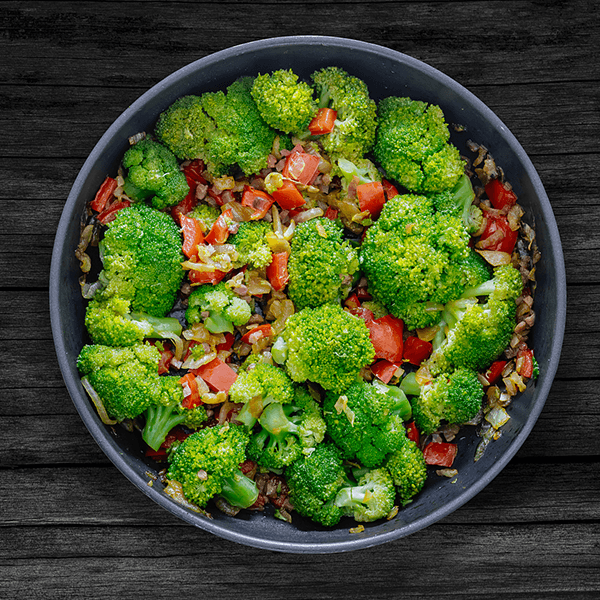
If you source ingredients for functional foods, nutraceuticals, or cosmetic formulations, you have likely encountered the term glucoraphanin. Broccoli seed extract glucoraphanin (CAS: 71686-01-6) is a naturally occurring glucosinolate derived from Brassica oleracea L. var. italica Planch — the broccoli plant. It appears as a fine yellow powder, available in standardized concentrations ranging from 0.1% to 15%. As the direct biochemical precursor to sulforaphane, it is gaining serious traction across the supplement, food, and cosmetic industries for its antioxidant, anti-inflammatory, and detoxification properties.
Understanding Broccoli Seed Extract Glucoraphanin
What Makes It Different from Other Broccoli Derivatives?
A lot of people mix up sprout extract and seed extract, but they are not the same thing. Supplements made from seeds have a lot more glucoraphanin than supplements made from sprouts. This is important because they need to be able to measure and keep the same amount of active ingredient in each run. An HPLC test has shown that a uniform seed extract gives controlled product groups the right amounts of nutrients they need, but raw sprout powder does not at all.
The Glucoraphanin-to-Sulforaphane Conversion
Because it is not alive, glucoraphanin does not do anything. Glucoraphanin is changed into sulforaphane when food is eaten by an enzyme called myrosinase. This enzyme may be in the gut bacteria or mix with it. One type of isothiocyanate that starts the Nrf2 signaling pathway is sulforaphane. This system controls the making of antioxidant genes and enzymes that get rid of waste. A study that came out in 2018 in the journal Cancer Prevention Research found that sulforaphane metabolites are flushed out of the body when glucoraphanin tablets are taken. This proved that the way people change really does work.
Stability: The Key Technical Advantage
Sulforaphane breaks down quickly when left out in the open. It's hard to make things that will last in stores because of this. A lot of its usefulness is still there after it is processed, like when it is heated to a mild temperature, made into a tablet, or put into a capsule. It can be used in health shots and functional drinks because it stays stable at a pH level between 3.0 and 7.0, which is slightly acidic to neutral. Teams that make medicines often choose the broccoli seed extract glucoraphanin precursor over finished sulforaphane because it is more stable.
Key Benefits and Applications of Broccoli Seed Extract Glucoraphanin
People who study things have found that this glucosinolate can be used to create many different goods. A lot of research and supplier-grade specification sheets say that this product cleans the liver, reduces inflammation, fights Helicobacter pylori, boosts lung health, stops Helicobacter pylori, and speeds up healing after sports. These are the facts that are used to decide what to do with focused B2B creation. This is not PR speak.
How much is this thing worth? Here are some of the main things it's used for:
- • Dietary Supplements (Detox & Antioxidant Capsules): At concentrations of 10%–15%, a compact capsule can deliver a clinically relevant dose of 50–100 mg of glucoraphanin, supporting Phase II enzyme induction and cellular antioxidant defense.
- • Functional Beverages & Health Shots: Its water solubility and pH stability allow incorporation into acidic or neutral liquid systems without precipitation or potency degradation.
- • Cosmetic and Skin Care Formulations: As an antioxidant raw material, the extract addresses UV-induced oxidative stress and skin-soothing requirements, meeting both efficacy and microbiological safety standards relevant to cosmetic buyers.
- • Sports Nutrition Products: Early research suggests sulforaphane-derived activity supports post-exercise inflammation reduction, making glucoraphanin an emerging ingredient in recovery blends.
- • Pet Food and Animal Feed: Non-toxicity data and cost-effective standardized concentrations (0.1%–1%) position lower-grade fractions for functional pet nutrition without compromising safety compliance.
How to Choose the Right Glucoraphanin Supplier
Evaluate Standardization and Testing Documentation
A good bulk provider will be able to give you a Certificate of Analysis (COA). That's proof that HPLC was used to check the amount of glucoraphanin present, along with tests for heavy metals, pesticide residue, and bacterial markers. If you want to buy things that are food-grade or very close to pharmaceutical-grade, you must be able to tell the difference between batches. You shouldn't sign a long-term deal until you have several COAs from different lots of production.
Certifications That Matter for B2B Buyers
GMP clearance is needed to buy drugs and over-the-counter medicines. If a company makes foods and drinks for the U.S. market, look for cGMP, FDA licensing, ISO 22000, HACCP, and FSSC approval. Should anyone who buys makeup also check to see if the products are approved organic by the USDA or the EU? If a company wants to make a green statement, then they should. They're not just for show; you can use them to deal with risks in procurement.
Delivery Format and MOQ Flexibility
The yellow powder form goes for the least amount of money when bought in bulk. It is fine, doesn't absorb water, and works best for most business-to-business uses. Granulations that are already ready to be put into capsules or tablets can be bought by brands that want to make their own pills or do OEM work. Small order sizes and trial programs that are easy to change help new businesses or buyers try out a new SKU without losing money in the beginning.
Instead of going through a middleman, it's usually better to buy directly from a manufacturer-exporter. This way, you can also track the product as it moves through the supply chain. In 2024, the price of standardized broccoli seed extract (10%+ glucoraphanin) will depend on where the raw materials come from and how they are extracted. People who sell goods from farms they own can offer more stable prices and proof of origin, which is important for buyers who need more and more full customs files.
Procurement Insights: Buying Glucoraphanin Extract in Bulk
Sourcing Channels and Price Considerations
Direct sourcing from a manufacturer-exporter typically offers better pricing transparency and traceable supply chains compared to purchasing through intermediary platforms. In 2024, pricing for standardized broccoli seed extract glucoraphanin (10%+ glucoraphanin) reflects both raw material sourcing location and extraction technology. Suppliers operating their own cultivation base can offer greater price stability and origin documentation — an increasingly important factor for importers requiring complete customs clearance files.
Regulatory and Compliance Frameworks
U.S. importers must confirm that the product meets FDA 21 CFR requirements for dietary ingredients. International buyers should request MSDS documentation, country-of-origin certificates, and phytosanitary documentation. Suppliers holding both ISO 9001 and HALAL/KOSHER certifications can serve a wider global buyer base without reformulation. Ensure your supplier can provide complete import documentation to prevent customs clearance delays.
Negotiating Bulk Terms
Procurement managers should request multi-batch stability data (typically 24-month accelerated aging results) to validate shelf-life claims before signing long-term supply agreements. Locking in fixed pricing tied to defined specification windows protects against quality drift across production cycles.
Common Comparisons and Decision-Making Factors
Glucoraphanin vs. Sulforaphane: Which Should You Buy?
For most groups, glucoraphanin is the best business pick. Finishing sulforaphane is hard to do and needs to be kept in the fridge, as it is not stable chemically. Sulforaphane is made from glucoraphanin by living things. When it comes to cells, sulforaphane is the same as glucoraphanin, but it is easier to handle in the supply chain. On the other hand, the rate of conversion is affected by the myrosinase enzyme that is added or the kind of bacteria that live in the gut.
Organic vs. Conventional Extract
While broccoli seed extract glucoraphanin costs more, it can be sold in clean-label and natural product stores where customers are more likely to buy things that have the USDA Organic label on them. Standardized extracts that aren't tainted with too many pesticides and are pure enough to meet pharmacopeia standards are used in this market. Being pure is more important than the type of license. organic glucoraphanin extract commands a 20–30% price premium and resonates strongly with direct-to-consumer clean-label shoppers, though conventional grades still dominate bulk B2B volume on cost.
Combining with Complementary Ingredients
After it is made, vitamin C and glucoraphanin can work together to keep the isothiocyanate from going bad. When this is changed, it makes more sulforaphane. When quercetin or resveratrol are added to sports nutrition brands, they have more antioxidants. Formulators can use these helpful mixes to make different kinds of products without changing the main ingredient that makes them work.
Conclusion
Broccoli seed extract glucoraphanin, a chemical that comes from broccoli seeds, is good and safe. It can be used in pills, food, beauty products, and even animals. It's possible for both people who make and people who buy something to explain why they should pick it. It works in a way that has been studied a lot and is more stable than sulforaphane. Before you buy something in bulk, you should always ask for standardized concentration data, third-party testing results, and the supplier's certifications. This is true whether you want to get more ingredients for your line of antioxidant skin care products or make more functional drinks.
FAQ
Q1: What is the standard specification for bulk glucoraphanin extract?
The commercial specification range is 0.1%–15% glucoraphanin, verified by HPLC. The appearance is a yellow powder with low hygroscopicity, derived from Brassica oleracea L. var. italica seeds.
Q2: Does glucoraphanin require refrigeration during storage?
No. Unlike stabilized sulforaphane preparations, glucoraphanin extract is shelf-stable at room temperature when stored in a cool, dry, sealed container away from direct light. Standard 24-month shelf-life documentation applies to most commercial grades.
Q3: What is the typical effective dose in supplements?
Clinical research suggests 50–100 mg of glucoraphanin per serving supports meaningful sulforaphane conversion. At a 10%–15% concentration, this translates to a 330–1,000 mg extract dose per capsule — manageable within standard capsule sizing.
Q4: How is bioavailability confirmed?
Bioavailability is measured through urinary excretion of sulforaphane metabolites, particularly sulforaphane-N-acetylcysteine (SFN-NAC), following oral supplementation. This is the accepted clinical marker in published studies.
Q5: What documentation should overseas importers request?
Request COA, MSDS, phytosanitary certificate, country-of-origin declaration, and applicable certifications (ISO, HACCP, cGMP, Organic). These documents support both customs clearance and regulatory compliance in the U.S. and EU markets.
Partner with BIOWAY for Certified Glucoraphanin Supply
BIOWAY INDUSTRIAL GROUP LTD farms more than 100 hectares of land on the QinghaiŠTibet Plateau. Their factory is in Shaanxi Province and is over 50,000 square meters big. It is GMP-certified. The company also has licenses for cGMP, ISO22000, HACCP, FDA, USDA/EU Organic, HALAL, and KOSHER. You can trust our company to make glucoraphanin from broccoli seeds. You can change the amount of the minimum order, and we offer OEM private label, sample requests, and all the export paperwork you need. Reach out to our team at grace@biowaycn.com to get samples and learn more.
References
1. Fahey, J.W., Zhang, Y., & Talalay, P. — Proceedings of the National Academy of Sciences, 1997.
2. Shapiro, T.A., et al. — Cancer Epidemiology, Biomarkers & Prevention, 2006.
3. Murillo, G., & Mehta, R.G. — Nutrition and Cancer, 2001.
4. Vanduchova, A., Anzenbacher, P., & Anzenbacherova, E. — Antioxidants & Redox Signaling, 2019.
5. Egner, P.A., et al. — Cancer Prevention Research, 2014.
6. Tortorella, S.M., et al. — Antioxidants, 2015.
Contact Us
Grace HU (Marketing Manager) grace@biowaycn.com
Carl Cheng ( CEO/Boss ) ceo@biowaycn.com
Website: www.biowaynutrition.com
Post time: Nov-27-2026


