Introduction
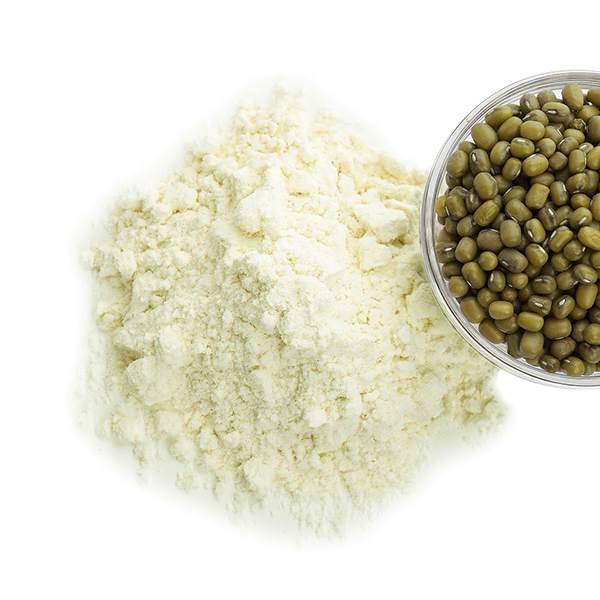
Mung Bean Protein Isolate is a highly concentrated form of protein derived from mung beans. This plant-based protein source has gained significant attention due to its impressive nutritional profile and versatility. Mung Bean Protein Isolate matters because it offers a sustainable, allergen-friendly alternative to animal-based proteins, with a complete amino acid profile and numerous health benefits. As more consumers seek plant-based options, this protein isolate has become a valuable ingredient in various food products, supplements, and functional foods.
Understanding Mung Bean Protein Isolate: Composition and Benefits
Nutritional Profile of Mung Bean Protein Isolate
Mung Bean Protein Isolate is a powerhouse of nutrition. This plant-based protein contains all nine essential amino acids, making it a complete protein source. The protein content typically ranges from 80% to 90%, depending on the extraction process. Mung Bean Protein Isolate is low in fat and carbohydrates, making it an excellent choice for those looking to increase their protein intake without adding excess calories.
Moreover, Mung Bean Protein Isolate is rich in various micronutrients. It contains significant amounts of iron, potassium, and magnesium. These minerals play crucial roles in various bodily functions, including oxygen transport, muscle function, and bone health. The isolate also provides a good source of B-vitamins, particularly folate, which is essential for cell growth and DNA synthesis.
Health Benefits of Mung Bean Protein Isolate
The consumption of Mung Bean Protein Isolate offers numerous health benefits:
- Improved Digestibility: Compared to some other plant proteins, Mung Bean Protein Isolate is easily digestible. This characteristic makes it an excellent option for individuals with sensitive digestive systems.
- Heart Health: Studies suggest that mung bean protein may help lower cholesterol levels and blood pressure, contributing to better cardiovascular health.
- Blood Sugar Control: Mung Bean Protein Isolate has a low glycemic index and may help regulate blood sugar levels, making it beneficial for individuals with diabetes or those at risk of developing the condition.
- Weight Management: The high protein content of Mung Bean Protein Isolate can promote satiety, potentially aiding in weight management efforts.
- Muscle Building and Recovery: With its complete amino acid profile, Mung Bean Protein Isolate supports muscle protein synthesis, making it valuable for athletes and fitness enthusiasts.
Allergen-Free and Environmentally Friendly
One of the standout features of Mung Bean Protein Isolate is its allergen-friendly nature. Unlike common allergens such as soy, dairy, or wheat, mung beans rarely cause allergic reactions. This characteristic makes Mung Bean Protein Isolate an excellent choice for individuals with food allergies or sensitivities.
From an environmental perspective, mung bean cultivation is considered more sustainable compared to animal protein sources. Mung beans require less water and land to produce a comparable amount of protein, making Mung Bean Protein Isolate a more eco-friendly protein option.
Applications and Uses of Mung Bean Protein Isolate
Food Industry Applications
Mung Bean Protein Isolate has found its way into various food products due to its functional properties and nutritional benefits. Some common applications include:
- Plant-Based Meat Alternatives: Mung Bean Protein Isolate is used to create texturized vegetable protein, which serves as a base for plant-based burgers, sausages, and other meat alternatives.
- Dairy Alternatives: The isolate can be incorporated into plant-based milk, yogurt, and cheese products to enhance protein content and improve texture.
- Baked Goods: Adding Mung Bean Protein Isolate to bread, cookies, and other baked goods can boost their nutritional value without significantly altering taste or texture.
- Protein Bars and Snacks: The isolate is an excellent ingredient for protein-enriched snack bars, chips, and other convenience foods.
- Breakfast Cereals: Mung Bean Protein Isolate can be added to cereals and granolas to increase their protein content.
Sports Nutrition and Dietary Supplements
In the realm of sports nutrition and dietary supplements, Mung Bean Protein Isolate has gained popularity for several reasons:
- Protein Powders: Mung Bean Protein Isolate is used to create standalone protein powders or as part of protein blends, catering to athletes and fitness enthusiasts.
- Pre- and Post-Workout Formulations: The isolate's amino acid profile makes it suitable for muscle recovery and growth, making it a valuable ingredient in workout supplements.
- Meal Replacement Shakes: Mung Bean Protein Isolate can be incorporated into meal replacement products, providing a balanced nutritional profile.
- Nutritional Supplements: The isolate is used in various nutritional supplements aimed at improving overall health and wellness.
Functional Foods and Beverages
The versatility of Mung Bean Protein Isolate extends to functional foods and beverages:
- Protein-Enriched Beverages: The isolate can be added to smoothies, shakes, and other beverages to boost their protein content.
- Energy Bars and Gels: Mung Bean Protein Isolate is used in energy products designed for endurance athletes and active individuals.
- Fortified Foods: Various food products, from soups to sauces, can be fortified with Mung Bean Protein Isolate to enhance their nutritional value.
- Infant Formula: Some manufacturers are exploring the use of Mung Bean Protein Isolate in plant-based infant formulas as an alternative to soy or dairy proteins.
Production and Quality Considerations of Mung Bean Protein Isolate
Extraction and Processing Methods
The production of high-quality Mung Bean Protein Isolate involves several crucial steps:
- Cleaning and Preparation: Mung beans are thoroughly cleaned to remove any impurities or foreign materials.
- Milling: The cleaned beans are milled into a fine flour to increase surface area and improve protein extraction efficiency.
- Protein Extraction: The mung bean flour undergoes an alkaline extraction process, typically using water and a pH adjustment to solubilize the proteins.
- Separation: The soluble proteins are separated from insoluble components through centrifugation or filtration.
- Acid Precipitation: The pH of the protein solution is adjusted to the isoelectric point of the proteins, causing them to precipitate.
- Neutralization: The precipitated proteins are neutralized to improve flavor and functionality.
- Drying: The neutralized protein is spray-dried or freeze-dried to produce a fine powder.
Advanced Mung Bean Protein Isolate manufacturers may employ additional techniques such as enzymatic hydrolysis or membrane filtration to further improve the isolate's properties or create specialized products.
Quality Control and Safety Measures
Ensuring the quality and safety of Mung Bean Protein Isolate is paramount for manufacturers. Key considerations include:
- Raw Material Sourcing: High-quality Mung Bean Protein Isolate starts with carefully sourced mung beans, ideally from organic or sustainably managed farms.
- Process Control: Manufacturers must maintain strict control over processing parameters such as pH, temperature, and extraction times to ensure consistent protein quality.
- Microbial Testing: Regular microbial testing is essential to prevent contamination and ensure food safety.
- Heavy Metal Analysis: Testing for heavy metals and other contaminants is crucial, especially for products marketed as "clean label" or organic.
- Allergen Management: While mung beans are generally non-allergenic, manufacturers must implement strict allergen control measures to prevent cross-contamination.
- Nutritional Analysis: Regular testing of protein content, amino acid profile, and other nutritional parameters ensures product consistency and quality.
Regulatory Compliance and Certifications
Mung Bean Protein Isolate manufacturers must adhere to various regulations and may seek certifications to demonstrate product quality and compliance:
- FDA Compliance: In the United States, manufacturers must comply with FDA regulations for food additives and protein ingredients.
- FSMA Compliance: Adherence to Food Safety Modernization Act (FSMA) requirements is essential for manufacturers selling in the U.S. market.
- GFSI Certifications: Many manufacturers obtain certifications recognized by the Global Food Safety Initiative (GFSI), such as BRC or FSSC 22000.
- Organic Certification: For organic Mung Bean Protein Isolate, certification from recognized bodies like USDA Organic or EU Organic is necessary.
- Non-GMO Verification: Many consumers prefer non-GMO products, making Non-GMO Project verification valuable for some manufacturers.
- Kosher and Halal Certifications: These certifications can expand the market reach of Mung Bean Protein Isolate products.
By adhering to these quality control measures and obtaining relevant certifications, Mung Bean Protein Isolate manufacturers can ensure their products meet the highest standards of quality, safety, and regulatory compliance.
Conclusion
Mung Bean Protein Isolate has emerged as a significant player in the plant-based protein market, offering a sustainable, allergen-friendly, and nutritionally complete protein source. Its versatility in food applications, coupled with its health benefits, makes it an attractive option for consumers and food manufacturers alike. As the demand for plant-based proteins continues to grow, Mung Bean Protein Isolate is poised to play an increasingly important role in the food industry and nutrition landscape. For businesses looking to incorporate high-quality plant proteins into their products, partnering with a reputable Mung Bean Protein Isolate supplier or manufacturer is crucial to ensure consistent quality and regulatory compliance.
At Bioway Industrial Group Ltd., we pride ourselves on being a leading Mung Bean Protein Isolate manufacturer. Our state-of-the-art 50,000㎡ facility, equipped with ten diverse production lines and advanced extraction technologies, ensures the highest quality Mung Bean Protein Isolate. With our 100-hectare organic vegetable planting base and comprehensive certifications including cGMP, ISO22000, and USDA/EU Organic, we guarantee premium, sustainably sourced products.
FAQ
Q1: Is Mung Bean Protein Isolate suitable for people with allergies?
A: Yes, Mung Bean Protein Isolate is generally considered hypoallergenic and is suitable for most people with common food allergies. However, individuals with specific mung bean allergies should avoid it.
Q2: How does Mung Bean Protein Isolate compare to other plant proteins?
A: Mung Bean Protein Isolate offers a complete amino acid profile and is easily digestible. It's comparable to other high-quality plant proteins like pea or soy protein in terms of nutritional value.
Q3: Can Mung Bean Protein Isolate be used in gluten-free products?
A: Absolutely. Mung Bean Protein Isolate is naturally gluten-free, making it an excellent choice for gluten-free food formulations.
Elevate Your Products with Premium Mung Bean Protein Isolate
Looking to enhance your product line with high-quality, sustainable protein? Bioway Industrial Group Ltd. offers premium Mung Bean Protein Isolate, produced in our state-of-the-art facility. With our advanced extraction technologies and rigorous quality control, we ensure consistent, top-tier products. Our organic certifications and comprehensive quality assurances make us the ideal partner for your plant-based protein needs. Experience the Bioway difference in your formulations. Contact us today at grace@biowaycn.com to discuss how our Mung Bean Protein Isolate can elevate your products.
References
- 1. Johnson, S.K., et al. (2021). "Nutritional and functional properties of mung bean proteins: A review." Journal of Food Science and Technology, 58(8), 2845-2857.
- 2. Zhang, Y., et al. (2020). "Mung bean proteins and peptides: Nutritional, functional and bioactive properties." Food & Nutrition Research, 64.
- 3. Sethi, S., et al. (2019). "Plant-based protein alternatives: A review of the emerging market." Foods, 8(11), 547.
- 4. Banerjee, S., et al. (2022). "Mung bean (Vigna radiata L.) protein isolates: Extraction, characterization, and applications in food systems." Critical Reviews in Food Science and Nutrition, 62(18), 4982-5001.
- 5. Luo, Y., et al. (2018). "Comparison of physicochemical characteristics of mung bean protein isolate prepared by spray drying and freeze drying." LWT - Food Science and Technology, 97, 114-122.
Contact Us
Grace HU (Marketing Manager) grace@biowaycn.com
Carl Cheng ( CEO/Boss ) ceo@biowaycn.com
Website: www.biowaynutrition.com
Post time: Dec-11-2025