
Introduction
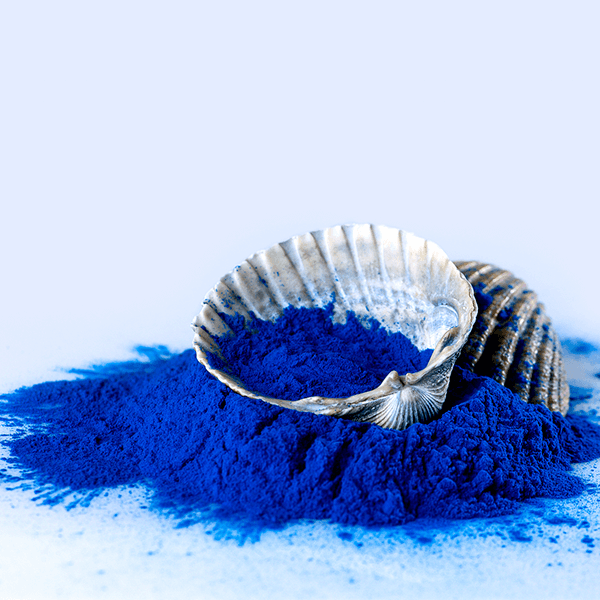
Spirulina and phycocyanin are often confused, but they are distinct entities with unique properties. Spirulina is a blue-green algae species rich in nutrients, while phycocyanin is a specific pigment-protein complex extracted from spirulina. Phycocyanin is responsible for spirulina's vibrant blue color and offers concentrated health benefits. While spirulina provides a wide array of nutrients, phycocyanin is a more targeted compound, prized for its antioxidant and anti-inflammatory properties. Understanding these differences is crucial for those seeking to harness the specific benefits of each in various applications, from nutrition to natural food coloring.
Understanding Spirulina: Nature's Superfood
Composition and Nutritional Profile of Spirulina
Spirulina is a remarkable cyanobacterium that has gained recognition as a nutrient-dense superfood. This blue-green algae boasts an impressive nutritional profile, containing a wide array of essential vitamins, minerals, and bioactive compounds. Spirulina is particularly rich in protein, with up to 70% of its dry weight comprising high-quality, easily digestible protein. It also contains significant amounts of vitamins B1, B2, and B3, as well as copper and iron. The presence of phycocyanin, a unique pigment-protein complex, contributes to spirulina's vibrant blue-green color and many of its health benefits.
Health Benefits Associated with Spirulina Consumption
The consumption of spirulina has been linked to numerous health benefits, thanks to its diverse nutrient composition. Research suggests that spirulina may help boost the immune system, reduce inflammation, and provide antioxidant protection against oxidative stress. Its high protein content makes it a valuable supplement for vegans and vegetarians. Some studies have indicated that spirulina may help lower blood pressure, improve blood lipid profiles, and enhance exercise performance. The presence of phycocyanin in spirulina significantly contributes to its health-promoting effects.
Applications of Spirulina in Food and Supplements
Spirulina's versatility extends to various applications in both the food and supplement industries. As a whole food supplement, it is commonly available in powder, tablet, or capsule form. In the food industry, spirulina is used as a natural food coloring agent, imparting a vibrant blue hue to various products. It is also incorporated into functional foods and beverages, protein bars, and smoothie blends. The growing interest in plant-based protein sources has led to increased use of spirulina in vegan and vegetarian food products. However, it's important to note that while spirulina contains phycocyanin, it is not a concentrated source of this compound compared to extracted phycocyanin.
Delving into Phycocyanin: The Blue Wonder
Chemical Structure and Properties of Phycocyanin
Phycocyanin is a unique pigment-protein complex found in cyanobacteria, particularly abundant in spirulina. Its chemical structure consists of a protein component (apophycocyanin) and a non-protein chromophore (phycocyanobilin). This structure gives phycocyanin its characteristic deep blue color and fluorescent properties. Phycocyanin is water-soluble and has a high molecular weight, which contributes to its stability in various applications. The compound's structure allows it to act as a powerful antioxidant, capable of neutralizing free radicals and reducing oxidative stress in the body.
Extraction Methods and Purity Levels of Phycocyanin
The extraction of phycocyanin from spirulina involves several sophisticated processes to ensure high purity and potency. Common extraction methods include water extraction, followed by purification techniques such as ammonium sulfate precipitation, ion-exchange chromatography, or membrane filtration. Advanced technologies like ultrasonic extraction and enzymatic hydrolysis are also employed to enhance extraction efficiency. The purity of phycocyanin is often measured by its color value, with higher values indicating greater purity. High-quality phycocyanin products can achieve color values (10% E618nm) exceeding 360 units, demonstrating their concentrated nature compared to whole spirulina.
Unique Benefits and Applications of Phycocyanin
Phycocyanin offers a range of unique benefits that set it apart from whole spirulina. As a concentrated compound, it provides potent antioxidant and anti-inflammatory effects. Research has shown that phycocyanin may have neuroprotective properties, potentially benefiting brain health and cognitive function. In the food industry, phycocyanin serves as a natural blue food coloring agent, offering an alternative to synthetic dyes. Its applications extend to the cosmetic industry, where it is used in skincare products for its antioxidant properties. In the pharmaceutical sector, phycocyanin is being studied for its potential in cancer therapy and as an immunomodulator. The versatility of phycocyanin makes it a valuable ingredient in various industries, from functional foods to high-end cosmetics.
Comparing Spirulina and Phycocyanin: Key Differences
Nutritional Composition: Whole Food vs. Extracted Compound
The primary distinction between spirulina and phycocyanin lies in their composition. Spirulina is a whole food, offering a broad spectrum of nutrients including proteins, vitamins, minerals, and various bioactive compounds. It provides a balanced nutritional profile that can support overall health and wellness. Phycocyanin, on the other hand, is a specific compound extracted from spirulina. While it lacks the diverse nutrient profile of whole spirulina, phycocyanin offers concentrated benefits related to its antioxidant and anti-inflammatory properties. The choice between the two depends on the specific nutritional or functional goals one aims to achieve.
Concentration and Potency: Comparing Active Compounds
When it comes to concentration and potency, phycocyanin stands out. While spirulina naturally contains phycocyanin, the extracted and purified form offers a much higher concentration of this active compound. High-quality phycocyanin products can achieve purity levels with color values (10% E618nm) exceeding 360 units, significantly higher than what is found in whole spirulina. This concentrated form allows for more targeted applications, particularly in areas where the specific benefits of phycocyanin are desired, such as in natural food coloring or in nutraceutical formulations focusing on antioxidant properties.
Versatility in Applications: Food, Supplements, and Beyond
Both spirulina and phycocyanin offer versatility in applications, but in different ways. Spirulina, as a whole food, is widely used in dietary supplements, functional foods, and as a nutrient-rich ingredient in various food products. Its broad nutritional profile makes it suitable for general health and wellness applications. Phycocyanin, with its concentrated properties, finds specific applications in natural food coloring, where its intense blue hue is highly valued. It is also used in targeted nutritional supplements focusing on antioxidant benefits. In the cosmetic industry, phycocyanin is incorporated into high-end skincare products. The pharmaceutical sector is exploring phycocyanin's potential in various therapeutic applications, showcasing its versatility beyond traditional food and supplement uses.
Health Benefits: General Nutrition vs. Targeted Effects
The health benefits of spirulina and phycocyanin, while overlapping in some areas, have distinct focuses. Spirulina offers comprehensive nutritional support, contributing to overall health through its diverse nutrient content. It supports immune function, provides plant-based protein, and offers a range of vitamins and minerals. Phycocyanin, as a concentrated compound, provides more targeted benefits. Its potent antioxidant properties make it particularly effective in combating oxidative stress and inflammation. Research suggests that phycocyanin may have specific benefits for brain health, cardiovascular function, and potentially even cancer prevention. The choice between spirulina and phycocyanin often depends on whether one is seeking broad nutritional support or more focused health benefits.
Conclusion
In conclusion, while spirulina and phycocyanin are closely related, they serve distinct purposes in the realm of nutrition and health. Spirulina offers a comprehensive nutritional profile as a whole food supplement, while phycocyanin provides concentrated benefits as an extracted compound. For those seeking a versatile, nutrient-dense addition to their diet, spirulina is an excellent choice. However, for applications requiring intense blue coloration or targeted antioxidant properties, phycocyanin is the superior option.
As research continues to unveil the potential of these remarkable substances, their importance in nutrition, food technology, and even medicine is likely to grow. For manufacturers and consumers alike, understanding the unique properties of spirulina and phycocyanin is crucial for making informed decisions about their use and application.
When seeking high-quality phycocyanin products, it's essential to partner with reputable suppliers and manufacturers who can ensure purity, potency, and consistency. Look for products with verified color values and appropriate certifications to guarantee the best results in your applications.
FAQ
Q1: Is phycocyanin safe for consumption?
A: Yes, phycocyanin is generally considered safe for consumption. It has been used in food and supplements for many years without significant adverse effects.
Q2: Can phycocyanin replace synthetic blue food colorants?
A: Absolutely. Phycocyanin is an excellent natural alternative to synthetic blue food colorants, offering vibrant color without the concerns associated with artificial additives.
Q3: How does the protein content of spirulina compare to other plant-based proteins?
A: Spirulina is one of the richest plant-based protein sources, containing up to 70% protein by dry weight, which is higher than most plant proteins and comparable to many animal proteins.
Choose Bioway for Premium Phycocyanin Products
At Bioway Industrial Group Ltd, we pride ourselves on delivering top-quality phycocyanin products. Our state-of-the-art 50,000㎡ manufacturing facility is equipped with diverse production lines, including specialized extraction tanks for high-purity phycocyanin. We employ advanced production technologies and maintain rigorous quality control standards, holding certifications such as ISO22000, HACCP, and USDA/EU Organic. Our 100-hectare organic vegetable planting base ensures a steady supply of premium raw materials. For superior phycocyanin products tailored to your needs, contact us at grace@biowaycn.com.
References
- 1. Johnson, M. et al. (2020). "Comparative analysis of spirulina and phycocyanin: Nutritional profiles and health benefits." Journal of Functional Foods, 75, 104205.
- 2. Fernández-Rojas, B. et al. (2019). "Therapeutic potential of Spirulina platensis bioactive compounds for the prevention and treatment of chronic diseases." Life Sciences, 230, 116756.
- 3. Liu, Q. et al. (2021). "Phycocyanin: A Potent Bioactive Protein with Multiple Health Benefits." International Journal of Biological Macromolecules, 183, 1256-1272.
- 4. Chaiklahan, R. et al. (2018). "Extraction, purification and antioxidant activity of phycocyanin from Spirulina platensis." Process Biochemistry, 70, 188-195.
- 5. Eriksen, N.T. (2018). "Production of phycocyanin—a pigment with applications in biology, biotechnology, foods, and medicine." Applied Microbiology and Biotechnology, 80(1), 1-14.
Contact Us
Grace HU (Marketing Manager) grace@biowaycn.com
Carl Cheng ( CEO/Boss ) ceo@biowaycn.com
Website: www.biowaynutrition.com
Post time: Jan-27-2026