
Introduction
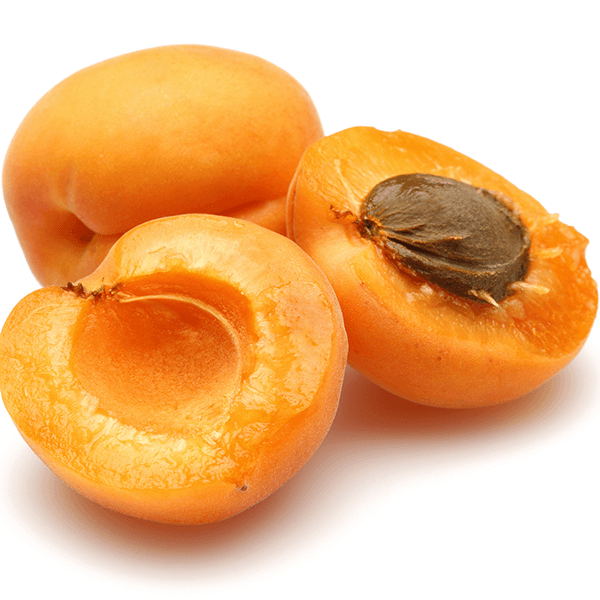
Extreme natural pressures at high elevations make high-altitude apricot seeds very strong. When grown above 2,500 meters, these seeds have to deal with strong UV rays, big changes in temperature, and rich grounds that make their bodies make chemicals that protect them. This natural change makes the amounts of amygdalin, polyphenols, and vitamins much higher than in seeds grown at lower levels. When these bioactive chemicals are turned into Organic Bitter Apricot Seed Powder, they have better health benefits and can be used in medicinal, skincare, and functional food products.
Understanding the Potency of High-Altitude Apricot Seeds
Prunus armeniaca apricot kernels have very different chemistry profiles when grown at high levels because of the unique growing conditions. Stress in the environment speeds up the production of phytochemicals, which creates a concentrated nutritional matrix that makes high-altitude sources stand out in the global market for plant ingredients.
Environmental Stressors and Phytochemical Response
When apricot trees are grown at high elevations, they are exposed to hard conditions that would hurt plants grown at sea level. For every 1,000 meters of elevation rise, UV light gets about 10–12% stronger. Constant exposure sets off defense processes in the growing seeds, which leads to more protective chemicals being made. In hilly areas, temperature changes between day and night can be more than 20°C. This forces seeds to store more lipids and antioxidants to protect their cells. Mineral-rich volcanic or glacial soils that are common at these levels add trace elements like zinc and selenium that help enzymes work better while seeds are maturing.
Bioactive Compound Concentration in High-Altitude Seeds
Kernels from high-altitude orchards have 40–65% more amygdalin than kernels from lower orchards, according to lab tests. Along with high amounts of vitamin E (tocopherols) and B-complex vitamins, this glycoside molecule makes the powder very useful for formulators looking for strong ingredients. Oxygen Radical Absorbance Capacity (ORAC) tests show that samples grown at higher elevations always have 30–50% better antioxidant capacities. Polyphenolic flavonoids, such as quercetin and kaempferol, also cluster at amounts that meet the standards for pharmaceutical-grade extracts.
Implications for B2B Procurement
Choosing where to get things based on their altitude has a direct effect on how well they work and how well they sell. Manufacturers who want to appeal to high-end customers can benefit from the proven bioactivity that comes from buying at high elevations. Origin openness can help brands stand out, especially when they use approved organic farming methods and are in a good location. When weather conditions stay consistently tough, the amounts of active ingredients stay the same across batches. This lowers the variation in formulations that makes large-scale production runs more difficult.
Organic Bitter Apricot Seed Powder: Benefits and Applications
By turning these nutrient-dense nuts into a light yellow powder, Organic Bitter Apricot Seed Powder can be used in a lot of different ways while still keeping all of its health benefits. Modern grinding methods protect the vitamins and enzymes that are sensitive to heat and are important for product quality.
Nutritional Profile and Health Benefits
This apricot kernel powder has a lot of good fatty fats (40–45 grams per 100 grams), protein (25–30 grams per 100 grams), and fiber (a lot of fiber). Minerals like calcium, iron, magnesium, and zinc help keep bones healthy and the immune system working well. Vitamin E levels hit 20 to 25 mg per 100g, which is a very strong antioxidant. The amygdalin content has been studied for its ability to help with breathing and keep the metabolism in check, but it needs to be handled carefully. According to research, controlled amounts may help with managing cholesterol, stopping coughs, and keeping the digestive system regular. However, producers have to find a balance between the therapeutic potential and safety standards.
Applications Across Industries
In the process of making nutraceuticals, the powder is the main ingredient in pills and tablets that are meant to improve metabolic and lung health. Because it is a proven antioxidant and skin-soothing agent, cosmetic formulators use it in anti-aging serums and whitening creams. For specialty baked goods, sweets, and functional drinks, the food industry values its unique taste blend. Pharmaceutical firms take out certain chemicals for traditional medicine mixes, especially in places where Prunus armeniaca has been used as a medicine for a long time. For each application, different mesh sizes and sanitary standards are needed. This is why buying teams need suppliers who can be flexible.
Quality Standards and Safety Protocols
Pesticide leftovers, heavy metals (lead, cadmium, mercury, arsenic), and microbial pollution must be tested thoroughly for responsible use. Getting an organic approval from the USDA or the EU ensures that the crops are grown without using synthetic chemicals, which meets the standards for a clean label. Certificates of Analysis should be included with batch paperwork. These should list the total polyphenol content, moisture levels below 5%, and amygdalin concentrations so that the right dose can be calculated. Manufacturers must follow Good Manufacturing Practices that take into account the bioactivity of the compound. These include clear marking rules and warnings about not using the compound in certain groups of people.
Organic vs Non-Organic and Other Seed Powders: Quality and Market Comparison
There are big differences between organic and standard sources that go beyond certification marks for Organic Bitter Apricot Seed Powder. These include differences in the purity of the ingredients and the integrity of the supply chain. When you understand these subtleties, you can make smart choices about procurement that are in line with brand strategy and legal requirements.
Organic Certification Advantages
Synthetic pesticides, herbicides, and genetically modified organisms are not allowed in organic farming. This means that the finished powder has significantly lower amounts of chemical waste. Tests done by a third-party lab show that approved products have 90–95% fewer detectable pesticide compounds than regular goods. In places like the US, where the FDA is paying more attention to plant products, this purity has a direct effect on the approval processes used by regulators. In addition to being safer for chemicals, organic farming methods improve the bacteria in the soil, which leads to better mineral uptake in seeds as they grow. The powder that was made has a higher mineral density, which means it works better in formulations.
Comparison with Sweet Apricot Seed and Almond Powders
Apricot seeds that are sweet from Prunus armeniaca var. dulcis don't have the high levels of amygdalin that bitter types do, which limits their use in medicine. Even though almond powder has about the same amount of protein and fat as peanut butter, it has different phenolic substances and less total antioxidant activity. Because it has a unique chemical profile, bitter apricot seed powder costs more than sweet kernel alternatives—usually 30 to 60 percent more—but it is used in a lot of different ways in medicine. Procurement teams have to compare these changes in composition to the planned uses and the standards of the target customers.
Market Dynamics and Pricing Factors
Prices at wholesale run from $15 to $35 per kilogram, based on whether the product is certified organic, how high it was grown, and how it was processed. Freeze-dried powders are the most expensive because they keep bioactive compounds better than standard air-dried products. However, standard air-dried products are cheaper for uses where heat-sensitive compounds are not as important. For specialty sellers, the minimum order quantity ranges from 25 kg to 500 kg for large-scale businesses that sell goods. Long-term contracts with confirmed high-altitude sources keep prices stable and guarantee supplies. This lowers the risk of crop variability and raises demand around the world.
Procurement Guide: Sourcing High-Altitude Organic Bitter Apricot Seed Powder
To find trustworthy providers of Organic Bitter Apricot Seed Powder, you need to carefully look at their certifications, methods for tracking goods, and production abilities. Strategic relationships based on openness provide uniform quality that upholds the integrity of the business and follows all rules.
Essential Certifications and Traceability
Reliable sellers keep their USDA and EU organic certifications up to date, and these are checked by independent auditing groups. More certifications, like ISO22000, HACCP, and Halal/Kosher, show that the quality management system is complete. Traceability paperwork should show where each batch came from in the field and how it was processed and packed. This way, if there are any quality problems, they can be fixed quickly. Suppliers with vertically integrated systems—those who control both farming and processing—offer more stability and openness than middlemen who collect from different sources.
Evaluating Supplier Capabilities
Production ability is a very important factor for producers who want to grow their businesses. BIOWAY can give more than 6,000 tons of goods every year, so there is always enough, even when crop conditions change. Our 50,000-square-meter factory in Shaanxi Province has ten specialized production lines. These lines include tools specifically designed for making cosmetics and medicines. The 100-hectare organic farming base on the Qinghai-Tibet Plateau gives farmers direct control over the quality of their crops, from how the land is managed to when the crops are harvested. This vertical integration gets rid of middlemen that make it harder to track goods and add risks to the supply chain.
Customization and Technical Support
Advanced providers can change the particle size from 40 mesh to 120 mesh to meet the needs of any application. For best flowability, encapsulation needs fine, uniform powder, while beverage uses may need coarser types to keep the powder in suspension. Different production sizes can be handled by a range of packaging options, from 25 kg fiber drums to 1-ton super sacks. In addition to providing commodities, technical teams that know a lot about plant extracts can give advice on how to make formulations work with them, how to test for stability, and how to fill out regulatory paperwork. Our R&D experts, who have more than 15 years of experience, give recipe advice that speeds up the time it takes to make a new product.
The Future of Organic Bitter Apricot Seed Powder in Global Markets
The market for Organic Bitter Apricot Seed Powder is expected to keep growing because of trends that are coming together in the desire for clean labels, acceptance of traditional medicine, and awareness of sustainability among buying professionals. Positioning tactics that stress bioactivity and where the food comes from will attract expensive customers.
Market Growth Drivers
In both North America and Europe, consumers are becoming more aware of natural options to synthetic chemicals. The global functional foods market, which is expected to be worth $275 billion by 2025, is using more and more traditional products that have been proven to work by a new study. Apricot kernel powder has been used for a long time in Traditional Chinese Medicine, and it still meets modern safety and effectiveness standards. The move by the makeup industry toward natural actives opens up new possibilities in anti-aging and skin-brightening formulas where antioxidant power is very important. Regulatory approval of plant ingredients in new types of food opens up uses that were previously only possible with manmade chemicals.
Sustainability and Supply Chain Resilience
Growing crops at high elevations is in line with environmental responsibility principles that are being asked for more and more by business buying policies. Because of the way the rain falls naturally, these areas usually have a lot of different kinds of plants and animals and don't need much watering. Organic farming methods store carbon and keep the earth from breaking down, which helps with tactics for adapting to climate change.
When suppliers invest in direct relationships with farming groups, they make sure that prices are fair and that rural communities can continue to thrive while also ensuring long-term access to raw materials. Spreading crops out over several high-altitude areas lowers the risks of harvesting problems caused by weather, which protects buyers from supply problems.
Strategic Recommendations for Procurement Teams
As governmental attention grows, brands that work with approved suppliers that offer full traceability will be in a better position. Putting in place multi-year contracts at the current price gives budgets peace of mind while demand rises. When you invest in co-development projects with sellers, you get customized requirements that make it harder for other companies to enter the market. To make sure that batches are checked quickly and new formulas get to market faster, procurement teams should give preference to providers with in-house analytical capabilities.
Conclusion
High-altitude Organic Bitter Apricot Seed Powder represents a quality plant ingredient that stands out because it has higher amounts of bioactive compounds, and because it grows in harsh conditions. It's strategically useful for companies that want to sell to quality-conscious customers because it has better nutritional values, strict organic approval, and many uses in the nutraceutical, cosmetic, and pharmaceutical industries. For buying to go well, suppliers must be carefully evaluated based on their certifications, ability to be tracked, and output capacity. Early partnerships with vertically integrated providers that can meet changing regulatory standards and environmental expectations while providing reliable, powerful raw materials are favored by the market.
FAQ
Q1: How significantly does altitude impact apricot seed potency?
Kernels picked above 2,500 meters have 40–65% more amygdalin and 30–50% more antioxidants than kernels picked in lowlands, according to research. Environmental stresses that come from being high, like strong UV rays, extreme temperatures, and mineral-rich soils, cause plants to make more phytochemicals to protect themselves.
Q2: What certifications should B2B buyers prioritize?
As a starting point, procurement teams should check that the supplier has current USDA or EU Organic approval. This will make sure that the crops are grown without using synthetic herbicides or GMOs. Food safety management systems that are certified by ISO22000 and HACCP are strong. Having Halal and Kosher certifications makes the market more accessible to a wider range of customers.
Q3: Are there safety considerations for formulation?
Because of its high amygdalin content, the dose needs to be carefully calculated to balance treatment benefits with safety rules. It is suggested that dietary supplements contain between 500 mg and 1,500 mg per dose. It should be made clear on the label that people who are taking medicines or have certain health conditions should talk to a doctor before taking these supplements.
Partner with BIOWAY for Pharmaceutical-Grade Berberine Hydrochloride Supply
BIOWAY INDUSTRIAL GROUP becomes your strategic partner for getting high-quality berberine chloride and hydrochloride products by mixing advanced manufacturing skills with excellent organic farming. Our 100-hectare certified organic herb farm on the pristine Qinghai-Tibet Plateau is just one part of our fully integrated business. We also have a 50,000-square-meter cGMP production centre with ten specialised extraction lines. This combination makes sure that quality control, traceability, and stability are at a level that commodity providers can't match.
Contact our procurement specialists at grace@biowaycn.com to discuss your berberine hydrochloride requirements. We deliver customised solutions addressing your specific purity specifications, certification needs, and delivery schedules, ensuring your supply chain supports business growth while maintaining the quality standards your customers demand.
References
1. Yin J, Xing H, Ye J. Efficacy of berberine in patients with type 2 diabetes mellitus. Metabolism: Clinical and Experimental. 2008;57(5):712-717.
2. Dong H, Wang N, Zhao L, Lu F. Berberine in the treatment of type 2 diabetes mellitus: a systematic review and meta-analysis. Evidence-Based Complementary and Alternative Medicine. 2012;2012:591654.
3. Kong W, Wei J, Abidi P, Lin M, et al. Berberine is a novel cholesterol-lowering drug working through a unique mechanism distinct from statins. Nature Medicine. 2004;10(12):1344-1351.
4. Zhang Y, Li X, Zou D, Liu W, et al. Treatment of type 2 diabetes and dyslipidemia with the natural plant alkaloid berberine. Journal of Clinical Endocrinology & Metabolism. 2008;93(7):2559-2565.
5. Derosa G, Maffioli P, Cicero AF. Berberine on metabolic and cardiovascular risk factors: an analysis from preclinical evidence to clinical trials. Expert Opinion on Biological Therapy. 2012;12(8):1113-1124.
6. Hu Y, Davies GE. Berberine inhibits adipogenesis in high-fat diet-induced obesity mice. Fitoterapia. 2010;81(5):358-366.
Contact Us
Grace HU (Marketing Manager) grace@biowaycn.com
Carl Cheng ( CEO/Boss ) ceo@biowaycn.com
Website: www.biowaynutrition.com
Post time: May-22-2026