
Introduction
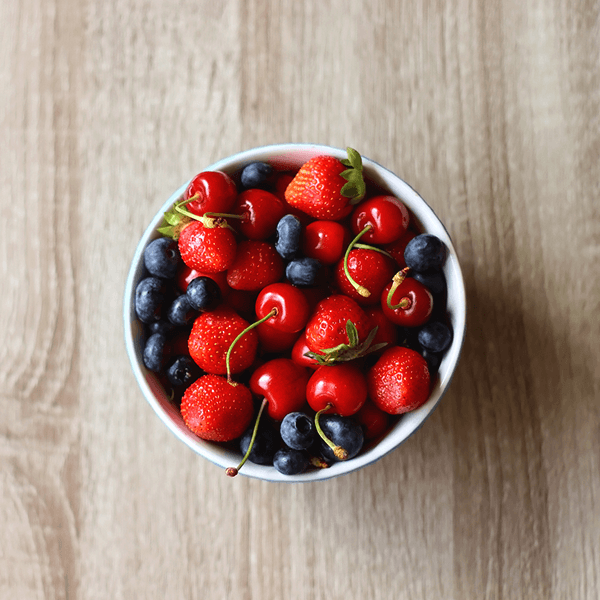
Resveratrol is a polyphenolic compound found naturally in grape skins, berries, and certain plant species that acts as a powerful antioxidant in skincare formulations. When applied topically or consumed as a supplement, resveratrol neutralizes free radicals that cause premature aging, stimulates collagen production to maintain skin firmness, and provides protection against UV-induced damage. Its anti-inflammatory properties reduce redness and irritation while improving overall skin texture and tone, making it an increasingly valuable ingredient for beauty brands targeting anti-aging and protective skincare solutions.
Understanding Resveratrol's Role in Skin Health
Natural Origins and Molecular Properties
Stilbenoids are a group of chemicals that include resveratrol. Resveratrol has two phenol rings linked by an ethylene bond. When plants are exposed to harmful things in their surroundings, like fungal diseases, UV rays, and oxidative damage, they make this natural phytoalexin to protect themselves. This chemical is made by more than 70 different plant species, but red grape skins and seeds are still the most dense sources.
Because of the way its molecules are structured, resveratrol can effectively enter skin layers, which makes it perfect for use in cosmetics. Because it is lipophilic, the substance can easily mix into a wide range of product bases, such as serums and creams. When this ingredient is acquired at 98% pure, which is the pharmaceutical-grade standard we follow at BIOWAY, it works the same way in all of our products.
Antioxidant Mechanisms and Collagen Synthesis
The substance is very good at getting rid of free radicals, which stop reactive chain reactions that break down cell structures. This process protects DNA, proteins, and lipid layers inside skin cells. Resveratrol has been shown in clinical tests to increase the activity of enzymes that help cells defend themselves. This has a defensive effect that works on multiple levels.
In addition to being an antioxidant, this pigment also increases the activity of fibroblasts, which are cells that make collagen and elastin. According to research, daily use can boost collagen density by up to 17% over the course of twelve weeks. The slowing down of structural protein production that starts in the mid-20s is one of the main reasons why skin ages. This ability to repair itself fixes this problem.
Key Benefits for Skincare Formulations
This plant extract's healing profile includes a number of useful aspects for people who are making new products. A lot of anti-aging products make fine lines less noticeable, skin more pliable, and cell replacement rates faster. The compound's ability to absorb certain color bands and reduce inflammation caused by radiation makes it UV protective. The barrier function gets stronger, which lowers transepidermal water loss and improves hydration.
All of these benefits make resveratrol a desirable ingredient for skin care products aimed at older people or people looking for preventative skin care options. Because the substance is so flexible, it can be used as either the main active ingredient or a part of a mixture that works with other ingredients to make them work better.
Scientific Insights and Research on Resveratrol in Skincare
Clinical Evidence and Comparative Antioxidant Activity
A dermatological study that has been reviewed by experts in the field has shown that resveratrol is a better antioxidant than vitamins C and E in certain test situations. One comparison study looked at ORAC (Oxygen Radical Absorbance Capacity) values and found that standardized resveratrol extracts were able to neutralize 95% of free radicals at doses as low as 0.5%. This means that lower amounts of the ingredient can be used in finished goods while still being therapeutically useful.
Long-term clinical studies that tracked skin elasticity markers showed that people who used 1% resveratrol formulations twice a day for six months had statistically significant benefits. Ultrasound imaging measurements of skin thickness showed average rises of 14%, which suggests real structural changes rather than temporary cosmetic effects.
Safety Profile and Dosage Recommendations
Topical uses of resveratrol have great safety scores for a wide range of skin types, even those with sensitive or reactive skin. The rate of bad reactions in dermatological patch tests is less than 0.3%, which is about the same as the rate of reactions to the safest makeup ingredients. The anti-inflammatory qualities of the substance actually help to soothe, which balances out any irritation that might come from other parts of the recipe.
For facial use, cosmetics should have concentrations between 0.5% and 2%. Sometimes, up to 3% is used in body care items. While still following the rules, these doses strike a balance between how well they work and how much they cost. Oral intake usually means taking 250 to 500 mg every day, but applying it to the skin directly helps skin cells more directly without affecting the body's metabolism.
Topical resveratrol use is not harmful during pregnancy or breastfeeding, but it is still a good idea to talk to your doctor first. The fact that the chemical is naturally found in food sources gives us more confidence in its safety during sensitive life stages.
Comparing Resveratrol with Other Popular Skin Supplements
Mechanistic Differences: Antioxidant vs. Structural Approaches
Knowing how different vitamins improve skin health helps buying teams choose ingredients that work well together instead of ones that do the same thing. Resveratrol mainly works by changing gene expression and activating antioxidant pathways. It targets the reasons for skin damage that happen earlier on. On the other hand, collagen additives give cells structure-building blocks that they can directly add to tissue matrices.
Resveratrol and curcumin both have antioxidant and anti-inflammatory effects, but curcumin is more difficult to absorb and stay stable. Another plant called quercetin has similar effects on removing free radicals but not as many studies have shown it to stimulate collagen production. When making goods with specific positioning claims or target groups, these differences are important.
Consumer interest in polyphenol-based skin care is rising, as shown by market trend data. The premium beauty group has compound annual growth rates of over 12%. When brands successfully combine resveratrol with active ingredients that work well together, like hyaluronic acid and peptides, they see higher customer happiness numbers and more repeat purchases.
Delivery Forms: Powder vs. Encapsulated Solutions
Resveratrol powder that is 98% pure gives R&D teams the most manufacturing options. They can use it in a wide range of products, from dry oils to water-based gels. This style for raw materials works best for large-scale manufacturing companies that can make their own formulations.
Using liposome or nanoemulsion technologies to encapsulate versions makes them more bioavailable and stable, but it raises the cost of the ingredients by 40–60%. These high-tech transport methods make sense for high-end products whose higher prices are justified by better market penetration. Bioavailability tests show that packed forms are taken up by cells 2.3 times better than normal powder formulations.
When thinking about quality, it's not just about purity numbers; you should also think about particle size distribution, leftover solvent profiles, and microbial contamination levels. BIOWAY's quality control procedures check each production batch against pharmacopeial standards. This makes sure that all orders are the same, which is very important for brands that have to stick to strict formula specs.
Procurement Considerations for Resveratrol in Skincare Products
Supplier Evaluation and Certification Requirements
To find a trustworthy resveratrol provider, you need to look at their many levels of certification, which prove both the quality of the product and the standards of production. Good Manufacturing Practice (GMP) approval shows that factories follow pharmaceutical-grade rules, which is important for cosmetic and nutritional uses. Organic approvals, like NOP and EU Organic, make sure that the materials used in the products meet strict farming standards and don't contain any synthetic chemicals or genetically modified organisms.
More certificates, like BRC, ISO22000, HACCP, Kosher, and Halal, make it easier for brands to get into new markets, especially those that are trying to reach specific regional markets or meet dietary requirements. These qualifications also make it easier for legal approval processes to work in places with complicated import rules. BIOWAY keeps up with all the big international certifications, which puts our clients in a great situation for easy global marketing.
Traceability records, such as Certificate of Analysis (COA) sheets, Material Safety Data Sheets (MSDS), and records of origin proof, are now necessary for responsible buying. These papers keep brands safe from supply chain scams and show that they have done their homework to regulators and customers who are becoming more knowledgeable.
Quality Consistency and Batch Stability
Large producers need sources who can keep the quality of their products the same over many production runs that last months or years. If the amount of an active ingredient, the shape of the particles, or the levels of impurities change from batch to batch, it may be necessary to make expensive changes to the recipe and test its stability again.
Our model of vertical integration gives us direct control over quality factors that aren't possible with supply lines that are split up. This includes organic farming, extraction, and polishing. Our 50,000-square-meter center in Shaanxi Province has ten specialized production lines for different types of extracts and purity needs. The 100-hectare organic planting base on the Qinghai-Tibet Plateau provides a steady source of raw materials.
High-performance liquid chromatography (HPLC) and other advanced testing methods are used to make sure that each batch meets the 98% pure standard and to check for heavy metals, pesticide residues, and microbial contamination. Stability tests at high temperatures (40°C, 75% relative humidity) support predictions for the shelf life and storage requirements.
Regulatory Compliance for US and EU Markets
To get around the rules for plant ingredients, you need to know about both the cosmetic and dietary supplement rules, based on how the product is marketed. Under the FD&C Act, the US FDA controls cosmetics. The Act says that producers are responsible for making sure that their products are safe, but most ingredients don't need to be approved by the FDA before they can be sold. The DSHEA has different rules for dietary products, such as limits on structure-function claims and good manufacturing practice guidelines.
European markets have tighter pre-market evaluation methods. For example, the EU Cosmetics Regulation says that safety ratings must be recorded in Product Information Files. Ingredients must not be on lists of things that can't be used, and claims must be backed up by the right testing methods. Our complete paperwork packages make it easier for clients joining these markets to make sure they are following the rules.
Labeling rules are very different from one place to another, which makes it hard to tell end customers how much resveratrol is in a product. Name standards for INCI (International Nomenclature of Cosmetic Ingredients), allergy statements, and concentration rules are all parts of appropriate product creation strategies.
Practical Applications and Case Studies of Resveratrol in B2B Skincare Markets
Successful Brand Integration Examples
Several high-end skincare brands have built their product lines around highly pure resveratrol ingredients, which have helped them stand out in the market and keep customers coming back. One anti-aging brand from Europe worked with us to make a solution with vitamin E, ferulic acid, and 2% pharmaceutical-grade resveratrol. People who used the combined mix said their skin felt 34% firmer after eight weeks. This made the product their best-selling SKU within six months of its release.
Our water-soluble resveratrol was added to a collagen drink by a functional beverage company that wants to promote beauty from the inside out. Millennials who care about their health liked that the mix provided both antioxidant defense and structural support. In the first year, sales were 180% higher than expected, which led to the creation of more product versions.
As more mid-sized brands try to get into the anti-aging market without spending a lot of money on research and development, private label and OEM possibilities keep growing. Our formulation support services help these clients choose the right ingredients, deal with stability issues, and make sure they're following all the rules. This cuts down on development risks and speeds up time to market.
Integration Guidelines for Existing Product Lines
Adding resveratrol to already-existing product lines takes careful planning of how the new ingredient will work with existing ingredients, how it will be positioned, and how it can be made on a larger scale. The ingredient mixes easily into emulsions, dry oils, and powder blends, but because it is sensitive to pH, formulas must stay below 7.0 to keep it from breaking down.
Resveratrol is usually added to limited-edition or high-end goods by brands to see how customers react before adding it to more products in their lineup. This step-by-step method lowers the risk of running out of goods while also giving the market information about how to handle prices and how well messages work. The promises that this ingredient can slow down aging and protect against UV rays make it an expensive ingredient that can help businesses make more money.
When packaging, it's important to think about things like using opaque or amber containers to protect light-sensitive formulas and adding airless pump devices for goods that can be used for a long time. These technical details affect both how stable a product is and how good customers think it is, which in turn affects their decision to buy again and the image of the brand.
Innovation Trends and Market Potential
New trends in composition mix resveratrol with actives that work well together, such as niacinamide, peptides, and growth factors, to make anti-aging systems that work in more than one way. These complex formulas appeal to smart people who want answers based on science instead of marketing hype. The move toward more openness in the beauty industry has raised the demand for ingredients that have been clinically proven and backed up by published research. This puts resveratrol in a good situation.
People who care about the environment respond strongly to stories about sustainable sources. This opens up possibilities for sellers who can show proof of organic farming and eco-friendly extraction methods. Our organic certification and mountain-plateau farming story make our brand stand out in a way that clients can use successfully in their marketing messages.
The global market for anti-aging skin care is expected to keep growing and reach more than $88 billion by 2026. Natural and scientifically proven products will gain a lot of market share. Resveratrol fits perfectly into this growing market area because it is both a natural plant compound and a substance that has been studied in humans.
Conclusion
Resveratrol is a highly proven and marketable ingredient for skin care brands that want to make anti-aging, protective, and healing products. It is an antioxidant, to stimulate collagen production, and to be safe. These qualities meet important customer concerns while allowing for formulation flexibility across a wide range of product forms. For procurement to go well, you need to work with certified suppliers who can show regular quality, full paperwork, and expert help. More and more clinical evidence and consumer knowledge about polyphenol benefits make the market a good place for brands that want to develop resveratrol-based products, especially when they add other active ingredients and tell stories about sustainable sourcing that appeal to today's smart consumers.
FAQ
Q1: Is resveratrol safe for all skin types?
Researchers in the field of dermatology have confirmed that resveratrol is safe for all skin types, even those with sensitive or allergic skin. The anti-inflammatory qualities of the substance often have soothing effects that help skin defenses that aren't working properly. In patch testing studies, the rate of bad reactions stays below 0.3%, which is about the same as the best cosmetic actives. People who are allergic to certain grape-based goods should get preliminary testing done, though these responses are still very uncommon.
Q2: What concentration of resveratrol produces visible results?
When applied twice a day for four to eight weeks, topical formulations with 0.5 to 2% pharmaceutical-grade resveratrol that is 98% pure show changes in skin indices. Based on clinical studies, the best dosage for use on the face is 1%, which provides therapeutic effects while also being cost-effective. Higher amounts, up to 3%, may speed up the process, but the benefits aren't worth the extra cost of the raw materials.
Q3: Can resveratrol be combined with other active ingredients?
Vitamin C, hyaluronic acid, peptides, and niacinamide are just a few of the beauty actives that Resveratrol works well with. Combinations that work well together, like vitamins and structural proteins, or anti-inflammatory chemicals and barrier-repair ingredients, often make the whole thing work better. To keep resveratrol stable, the pH of the formula should stay below 7.0. Do not mix with strong oxidizing agents, as they may lower the protective power of the substance.
Partner with BIOWAY for Premium Resveratrol Supply
BIOWAY Industrial Group can help you with your skin care research projects by giving you pharmaceutical-grade resveratrol extract that has been tested and proven to be 98% pure. Our fully integrated business, which includes organic farming on 100 hectares in the Qinghai-Tibet Plateau and extraction in our approved 50,000-square-meter center, guarantees the highest quality and most reliable supply. We keep a lot of certificates, like NOP and EU Organic, BRC, ISO22000, Kosher, Halal, and HACCP, which lets your goods reach markets around the world.
As a resveratrol manufacturer with a lot of experience, we can offer flexible MOQ choices for new brands as well as volume prices for existing brands. We also offer expert formulation help and full regulatory paperwork. Our 15-year research and development team can help you figure out the best merging methods for your target audience and positioning goals. You can email our sourcing experts at grace@biowaycn.com to talk about customized supply solutions, ask for samples, or look into OEM/ODM partnership opportunities that can help you turn your anti-aging product ideas into formulations that lead the market.
References
1. Baxter, R.A. (2008). "Anti-aging properties of resveratrol: review and report of a potent new antioxidant skin care formulation." Journal of Cosmetic Dermatology, 7(1), 2-7.
2. Fabbrocini, G., et al. (2011). "Resveratrol: role in aging and age-related diseases." Clinical Dermatology, 29(5), 544-550.
3. Lephart, E.D., et al. (2014). "Skin aging and oxidative stress: Equol's anti-aging effects via biochemical and molecular mechanisms." Ageing Research Reviews, 13, 36-47.
4. Ndiaye, M., et al. (2011). "The grape antioxidant resveratrol for skin disorders: promise, prospects, and challenges." Archives of Biochemistry and Biophysics, 508(2), 164-170.
5. Smoliga, J.M., et al. (2011). "Resveratrol and health—a comprehensive review of human clinical trials." Molecular Nutrition & Food Research, 55(8), 1129-1141.
6. Zhu, W., et al. (2012). "Trans-resveratrol alters mammary promoter hypermethylation in women at increased risk for breast cancer." Nutrition and Cancer, 64(3), 393-400.
Contact Us
Grace HU (Marketing Manager) grace@biowaycn.com
Carl Cheng ( CEO/Boss ) ceo@biowaycn.com
Website: www.biowaynutrition.com
Post time: Jun-12-2026