
Introduction
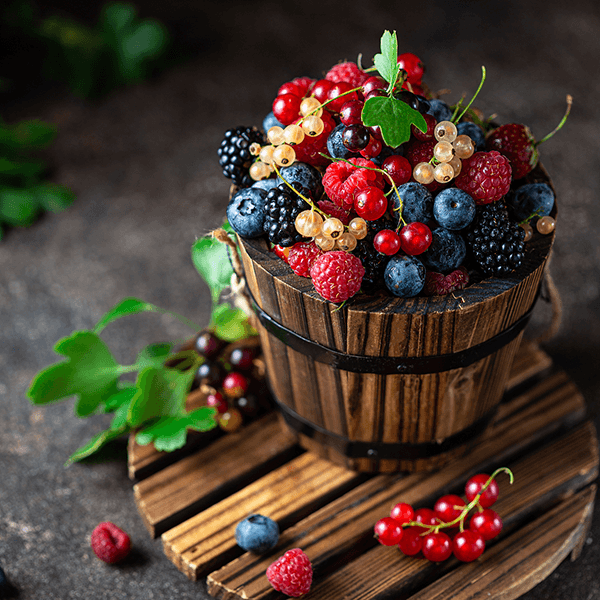
Resveratrol, a naturally occurring polyphenol found mainly in Japanese knotweed, grapes, and berries, shows incredible potential in several health areas. Because it is a strong antioxidant, an anti-inflammatory, and good for the heart, this chemical is very useful for making functional foods, new medicines, and beauty items. Researchers have proven that it helps the body age healthily, keeps the metabolism in check, and protects cells. This makes it an important part for businesses that want to add active chemicals that have been proven to work by science to their products.
Understanding Resveratrol: What It Is and How It Works?
Natural Origins and Chemical Identity
There is a biologically active form of resveratrol in plants. The roots of Polygonum cuspidatum have a lot of it. This stilbene molecule makes a phytoalexin, which is a plant defense chemical that is made when plants are exposed to things that are bad for them, like UV light or fungal infections. A lot of what makes the result good is how it was extracted. Water-alcohol extraction methods can make goods that are as pure as 98% if they are done right. Natural extracts are safer than synthetic ones made from chemicals extracted from oil. This is something that officials all over the world agree on.
Biological Mechanisms Behind Health Benefits
For example, trans-resveratrol starts some processes that lead to aging. These include sirtuins, which are protein controls that are connected to metabolic health and mending processes at the cellular level. This action improves the function of mitochondria, makes insulin work better, and lowers the amounts of signs for oxidative stress. The chemical form of the substance makes it simple for it to pass through cell membranes. However, it is not bioavailable because it breaks down so fast. New transportation methods, such as liposomal packaging and nano-formulation technologies, can fix these issues and help businesses make better products. Pharmacological tests show that this substance protects the heart by making endothelial cells work better and lowering cholesterol levels.
Natural Versus Synthetic Considerations for Procurement
When buyers look at their options, they need to be able to tell the difference between types that come from nature and those that are made in a lab. Using a lens and DNA barcoding, natural goods from Polygonum cuspidatum are carefully checked to make sure they are real. This makes sure that the material can be tracked.
The polyphenols in these products naturally work well with each other and may help the body absorb and use them. Even though synthetic output is steady and doesn't rely on factors in agriculture, it makes people more worried and is closely watched by officials in the process of getting organic certification. Testing for carbon-14 isotopes makes it easy to tell the difference between natural and man-made sources, which is necessary for putting goods in the high-end market.
Comparing Resveratrol With Other Popular Supplements: Making Informed Choices
Synergistic Relationships With Complementary Compounds
It's important to know how the ingredients will work together in nutritional products so that they heal the body the most. Trans-resveratrol and quercetin, which is another flavonoid antioxidant, work well together to lower inflammation because they use enzymes that work together. Lowering reactionary stress is better when it is used with curcumin than when it is used by itself.
With trans-resveratrol, NAD precursors like NMN (nicotinamide mononucleotide) work better to turn on sirtuin. This leads to life-saving formulas that are based on research into how cells age. Not only do these mixes help brands stand out, but they also help with a number of health problems.
Comparative Advantages in Specific Applications
Fish oil is the most well-known heart-healthy food because it contains omega-3 fatty acids. Trans-resveratrol, on the other hand, protects blood vessel walls directly and changes how platelets stick together. High-purity trans-resveratrol (98% standard) dissolves more easily in alcohol-based delivery methods, which makes it easier to make new products. Curcumin, on the other hand, has trouble dissolving in water. At normal processing temperatures, it is more solid than green tea catechins.
This means that it breaks down less during production. Based on the type of product (capsules, beverages, or skin uses), these technical factors affect the choice of ingredients because each type needs a different mix of how well the ingredients dissolve and how stable they are.
Quality Differentiation Between Supply Sources
Testing with HPLC filtration should be the first thing that teams that are looking at more than one source do. This will make sure that there is more than 98% trans-isomer and not too much cis-isomer contamination. To meet international safety standards, the amount of emodin in Polygonum cuspidatum must be kept below 50 parts per million (ppm).
This is why it's important to test the substance. Polycyclic aromatic hydrocarbon (PAH) screening looks for problems that might be polluting the environment. This is especially important for plants that are grown in cities. Suppliers who provide full Certificates of Analysis (COA) with multiple leftover herbicide panels, heavy metal measurement, and bacterial standards demonstrate that they have the strict quality control needed for use in pharmaceuticals.
Procurement Insights: How to Source the Best Resveratrol Products?
Critical Quality Indicators and Testing Protocols
Quality checks must be done freely and regularly all along the supply chain for business-to-business partnerships to work well. Aside from basic checks for purity, more advanced testing methods look at particle size to make sure the powder is uniform, moisture content to see how stable it is on the shelf, and bulk density to see how it affects the logistics of packing. Suppliers with NOP and EU Organic licenses promise that GMOs and manmade pesticides will not be used in farming. This meets the needs of customers in pricey markets. Certifications like BRC (Brand Reputation Compliance) and HACCP show that a business uses organized risk analysis to keep its products safe from the farm to the store.
Understanding how something is extracted has a direct link to how well it works. Subcritical water extraction gets rid of the organic liquid and leaves the heat-sensitive polyphenols whole. Pharmaceutical-grade ethanol is used for alcohol extraction, which makes the product more pure but needs to pass tight tests to make sure that there are no solvent levels left over that are higher than 5000 ppm. Ultrasonic-assisted extraction raises the yield, which lowers the cost of production without dropping the quality. This is something to keep in mind for price-sensitive uses like feeding animals.
Strategic Supplier Evaluation Criteria
Manufacturers should check with their Resveratrol sources to see how well they can vertically combine so that they have a steady supply of raw materials over time. Controlling crop sources helps businesses avoid supply problems and changes between batches, which are important for making sure recipes stay the same from one production cycle to the next. The weather and altitude of the 100-hectare organic planting base on the Qinghai-Tibet Plateau naturally reduce the number of pests. This is a good example of how farming can produce better raw materials with lower risks of chemical residue.
Some signs of production capacity are cleanroom classes (Class 100,000 conditions keep sensitive applications free of microbial contamination), the ability to set up multiple extraction lines so that recipes can be customized, and the ability to store goods in a way that supports just-in-time delivery models. Smaller brands can get high-quality ingredients from suppliers with flexible MOQ (minimum order quantities) while they work on new goods without having to keep too much stock on hand.
Regulatory Compliance Across Target Markets
You have to carefully follow the FDA's Generally Recognized As Safe (GRAS) rules for food applications and New Dietary Ingredient reports for new supplement formulations if you want to get into the US market. Novel foods are those that have chemicals that haven't been used in food since 1997. This is what EU rules say. Traditional plant products, on the other hand, usually meet the requirements for current use. With Kosher and Halal licensing, businesses can reach new customer groups. ISO22000 food safety management systems show detailed ways to keep food from getting contaminated.
During the customs clearance process, it's very important to have all the information you need. Full MSDS (Material Safety Data Sheets) tell you how to safely handle the stuff and what to do if something goes wrong. If things come into a port, the cost of them will depend on the tax categories set by the Country of Origin papers. When growing materials are brought into a country, phytosanitary licenses make sure that they meet the plant health standards of that country. This keeps packages from getting stuck, which could throw off plans for production.
Safe Usage Guidelines and Product Application
Recommended Dosages and Consumption Parameters
Clinical tests show that between 150 mg and 500 mg a day is the best amount for heart health and antioxidant effects. But bigger amounts can be used for medical reasons with the help of a doctor. Because the drug has a half-life of only 3–4 hours, time-release forms help keep blood levels steady. If a company wants to make certain health claims, they need to make sure that the dosage advice they give is based on clinical proof and stays within the safety limits set by officials through toxicological studies.
Contraindications and Interaction Considerations
A lot of people don't know how to stay safe while they are pregnant or nursing, so they should be extra careful during those times. Most doctors say that you shouldn't take vitamins unless they tell you to. This is to make sure that both the mother and the baby are healthy. Before starting a supplement, people who take drugs that thin the blood should talk to their doctors because trans-resveratrol has weak antiplatelet effects that could make the anticoagulant effects of drugs stronger. These tips can help brands that cater to health-conscious customers build trust through honest communication by adding them to their labels.
Versatile Application Across Product Categories
The chemical is useful in three main business areas because it can be used in many ways. Nutraceuticals use the ingredient to support metabolism and fight age, and it is also added to life stacks with NMN, CoQ10, and pterostilbene. Serums that make the skin lighter are made with tyrosinase inhibitors, and sun care products use antioxidants to protect against photodamage caused by UV light. In functional foods, natural preservatives are used to make lipid-rich foods last longer on the shelf. They also add health-promoting qualities that make nutritional profiles more than just basic nutrients.
When making something stable, it can be sensitive to light, so you need to use amber glass or opaque containers. It can also oxidize easily, so you need to use nitrogen washing during encapsulation. And it can be sensitive to pH, so formulation compatibility is affected in acidic beverage mats. While the product is being made, microencapsulation technologies keep the active ingredient safe and hide any taste that may still be there. This makes the finished product more appealing to customers.
Trends and Future Outlook of Resveratrol in the B2B Market
Market Drivers Shaping Demand Growth
Scientists have found that certain foods can help people live longer. This is becoming more important as the world's population ages. Plant antioxidants are at the heart of many new health goods because disease-reactive treatments are giving way to disease-preventative ones. Some popular science groups and biohacking groups teach people more about how cells age. This makes ingredients more well-known beyond people who use supplements and into general functional food groups.
As companies try to reach people who care about the environment, sustainability issues are growing in importance when people decide what to buy. Green energy in processing companies, organic farming methods, and carbon-neutral shipping choices are some of the things that set providers apart when they are bidding against each other. Companies that use blockchain proof systems to show that their whole supply chain is clear get extra attention from brands that care about doing the right thing.
Emerging Technologies Enhancing Bioavailability
By shrinking particles to sizes between 100 and 500 nanometers using nanotechnology, absorption patterns can be changed. This makes it much easier for the body to take the particles. It is easier to send compounds straight to the right tissues with liposome encapsulation because it has the structure of a cell membrane. This also keeps the compounds from breaking down too fast. These more advanced ways of delivering drugs cost more, but they let smaller amounts work better. This could lower the cost of preparation and help products stand out by letting them make claims of better efficiency that are backed up by bioavailability studies that compare the products.
Making products that dissolve in water solves the problem of making drinks since trans-resveratrol doesn't mix well with water. The process of glycosylation changes chemicals in a way that saves their protective properties but makes them completely water-soluble. In other words, the chemicals can be used in functional drinks that are ready to drink, drink mixes that come in powder form, and liquid vitamins. When it comes to these new forms, brands that are ready to pay for exclusive licensing deals and accept them early have a strategic advantage.
Strategic Positioning for OEM and Private Label Partners
Ingredient diversity strategies that include different strengths (50%, 98%, and water-soluble versions) can help contract makers who work with new names. These can help with a range of prices and use needs. Clients can make new goods faster with the help of technical support services like formulation advice, setting up stability tests, and regulatory help. In addition to giving simple things, this makes the connection more valuable.
When raw material suppliers and finished product brands work together, the quality standards of the suppliers, like organic approvals, advanced testing methods, and stories about sustainable sourcing, are used to set them apart in a crowded market. People learn more about the area when different value chains work together on marketing efforts that teach people about where products come from. This makes all of them look like thought leaders and is good for everyone.
Conclusion
The chemical trans-resveratrol has been shown by science to be useful in many ways. It is useful in the cosmetics, vitamin, and functional food businesses. Picking a service has a big impact on how well the final product works, so price alone isn't enough to make this important strategic choice. The purity of products is protected by testing them thoroughly, keeping records of legal compliance, and checking the production capabilities. This is good for the brand's image and for keeping customers safe. As the market moves toward more bioavailability-enhanced transport systems and clearly sustainable practices, buying teams that plan will be able to figure out how they stack up against their competitors.
FAQ
Q1: Can pregnant women safely consume trans-resveratrol supplements?
So far, scientists agree that women should be careful while they are pregnant because there isn't enough clinical data from humans to show that anything is safe at all stages of labor. Animal tests have shown that high levels may change how hormones work, but taking supplements at the right levels has not been linked to any known harm. Most doctors agree that pregnant women shouldn't take extra vitamins unless they have certain medical conditions that need limited use. If companies want to reach women who can have children, they should put clear warning signs on their goods that follow government rules for disclosure.
Q2: What storage conditions preserve ingredient potency?
Three things destroy things: light, high temperatures, and water going in. To keep things in good shape, keep them away from these three things. Photodegradation can't happen in amber glass cases or dark packaging. Also, it is not possible for oxidative breakdown to happen if the temperature stays below 25°C (77°F). If you keep the relative humidity below 60%, clumps and microbe growth will stop. When done right, nitrogen pumping during packing gets rid of air, which makes the food last 24 to 36 months longer. The growth of shipping rules and the need for storage are helped by these guidelines.
Q3: How do I identify premium-quality suppliers?
Better suppliers show they care about quality in several ways that can be checked: they are open about the tests they do and give batch-specific COAs; they have internationally recognized certifications like ISO22000, HACCP, BRC, and organic credentials; and they are happy for third parties to check their work. Cleanrooms (Class 100,000 or better) and different extraction line setups in the industrial facilities show that the production is advanced. Professional partners are not the same as commodity brokers. Professional partners have client references from well-known names, have followed the rules in different markets in the past, and can offer expert help.
Partner With BIOWAY for Premium Trans-Resveratrol Supply
BIOWAY can help you with your compounding needs by giving you pharmaceutical-grade 98% trans-resveratrol and a lot of different standards, like NOP and EU Organic, BRC, ISO22000, Kosher, Halal, and HACCP. On the Qinghai-Tibet Plateau, our organic farming base covers 100 hectares and is linked to a processing center that is 50,000 square meters and has ten specialized production lines.
This way, we can make sure that the supply is stable and that the next batch will work with the last, which is important for large-scale manufacturing processes. You can buy resveratrol from us, and we have customers from all over the world. We have different MOQ options that can be used for both large-scale production and the start of a new brand. You can email grace@biowaycn.com to ask for help with unique formulations, get paperwork for analytical testing, or set up a sample review that works for your needs.
References
1. Baur JA, Sinclair DA. "Therapeutic Potential of Resveratrol: The In Vivo Evidence." Nature Reviews Drug Discovery, 2006.
2. Walle T. "Bioavailability of Resveratrol." Annals of the New York Academy of Sciences, 2011.
3. Gambini J, Inglés M, Olaso G, et al. "Properties of Resveratrol: In Vitro and In Vivo Studies about Metabolism, Bioavailability, and Biological Effects in Animal Models and Humans." Oxidative Medicine and Cellular Longevity, 2015.
4. Cottart CH, Nivet-Antoine V, Beaudeux JL. "Review of Recent Data on the Metabolism, Biological Effects, and Toxicity of Resveratrol in Humans." Molecular Nutrition & Food Research, 2014.
5. Smoliga JM, Baur JA, Hausenblas HA. "Resveratrol and Health - A Comprehensive Review of Human Clinical Trials." Molecular Nutrition & Food Research, 2011.
6. Berman AY, Motechin RA, Wiesenfeld MY, Holz MK. "The Therapeutic Potential of Resveratrol: A Review of Clinical Trials." NPJ Precision Oncology, 2017.
Contact Us
Grace HU (Marketing Manager) grace@biowaycn.com
Carl Cheng ( CEO/Boss ) ceo@biowaycn.com
Website: www.biowaynutrition.com
Post time: Jun-22-2026